 Skip to content
Apply for a UK ETA at least three working days before you travel, and ideally one to two weeks ahead. You can apply as soon as you hold the passport you will fly on — there is no “too early”, because the ETA lasts two years. Most approvals arrive within minutes, but that three-day buffer protects you if yours is flagged for extra checks. This guide sets out the smart timing for every kind of trip, from a booked summer holiday to a same-day dash to the airport.
TL;DR: The safe window is three working days to two weeks before departure. Applying months ahead is fine and wastes nothing, since a UK ETA stays valid for two years. The £20 authorisation is usually approved within hours, but never board without it — since 25 February 2026 the rule is “no permission, no travel”.
- Minimum lead time: allow 3 working days before travel (GOV.UK ETA).
- Earliest you can apply: any time you have your current passport — even months ahead.
- Typical decision: minutes to a few hours for most applicants.
- Validity: 2 years, or until your passport expires, so early applications are never wasted.
- Fee: £20 per person, unchanged by how early you apply.
| Quick Facts | Detail (2026) |
|---|---|
| Recommended lead time | 3 working days to 2 weeks |
| Earliest to apply | As soon as you have your passport |
| Usual decision | Minutes to a few hours |
| Official buffer | Up to 3 working days |
| Validity once approved | 2 years |
Timing matters more than it did a year ago. Since the ETA became mandatory for all visa-free visitors, including EU citizens, on 25 February 2026, airlines check for it at boarding under the “no permission, no travel” rule (Home Office ETA factsheet, April 2026). If you are still deciding whether you need one, start with our overview of who needs a UK ETA.
How early should you apply for a UK ETA?
Apply three working days to two weeks before you travel for a comfortable margin. That window clears the official processing buffer while your plans are firm enough to enter accurate dates. Leave it later and a routine extra check could collide with your departure; go earlier and you simply lock the approval in. The sweet spot for most holidaymakers is the moment flights are booked.

There is a practical reason not to wait until the airport. While the Home Office says most people get a decision almost immediately, it still advises allowing up to three working days, and demand has been heavy since the scheme went live. Booking your ETA application the same evening you book flights folds it into your trip planning and removes the risk entirely.
The minimum: allow three working days
Three working days is the floor, not the target. The Home Office publishes this as the standard window, and while the majority of ETAs are approved within a few hours, a minority are held for manual review — for a declared past refusal, a name that needs checking, or simply high volume. Weekends and UK bank holidays do not count as working days, which trips up last-minute travellers.
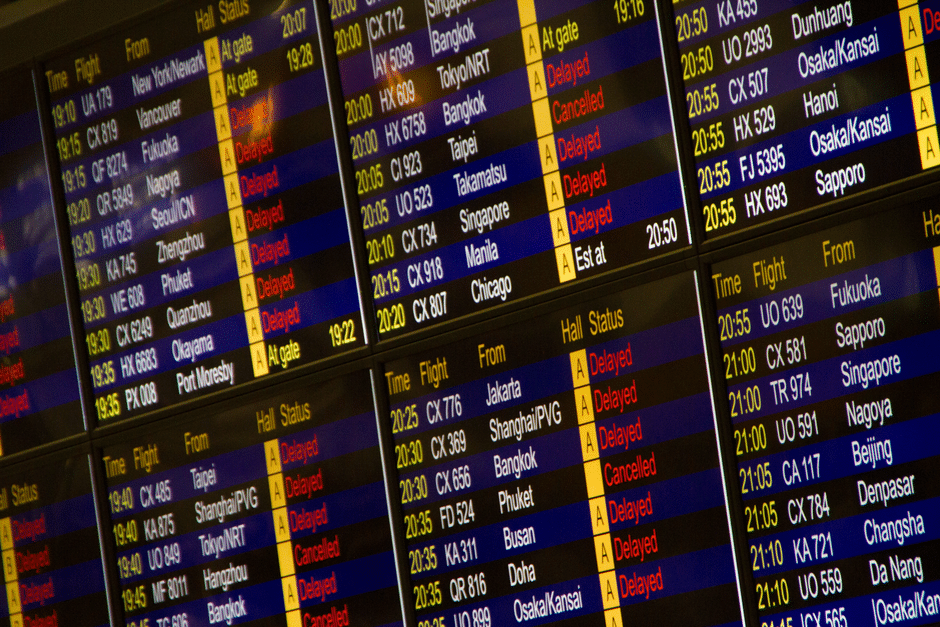
Picture a Friday-night flight booked on a Wednesday. Apply Wednesday morning and you have Wednesday, Thursday and Friday — just enough. Apply Thursday night and the clock effectively starts Friday, leaving no cushion at all. Our detailed look at how long a UK ETA takes and the approval timeline shows exactly where those three days are spent.
Pro tip: Count working days, not calendar days. A bank holiday weekend can turn a “three-day” wait into five before you reach a working Monday, so add a buffer around any UK public holiday.
Applying weeks or months ahead — is it worth it?
Yes, applying months early is completely safe and costs nothing extra. A UK ETA is valid for two years from approval, or until your passport expires, so an authorisation granted in January covers trips right through to the following year. The only condition is that you travel on the same passport you applied with. There is no benefit to waiting, and one clear benefit to going early: peace over your paperwork.

The one thing to check before applying far ahead is your passport’s expiry. If it runs out within the next couple of years, the ETA will expire with it, so it can be worth renewing first and applying on the new document. Our ETA fees and costs guide and the April 2026 £20 fee breakdown confirm the price is the same whether you apply today or next month. Not sure you have keyed everything correctly? We can review your answers before submission — helpful if you are applying on behalf of a parent who finds the app awkward.
Last-minute and same-day travel: your options
You can apply the same day you travel, but only with caution. Because most decisions come through in minutes, a genuine last-minute applicant often gets approved in time — yet there is no guarantee, and if yours is pulled for review you cannot board. Never buy a non-refundable ticket assuming instant approval on the day of the flight.

Consider Aisha, a 41-year-old nurse in Dublin who booked a 6am Saturday flight to Manchester on the Thursday. She applied for her ETA immediately, was approved within the hour, and travelled without a hitch. Had she left it to Friday night and hit a manual check, the weekend would have stalled her decision until Monday. When speed matters, apply the second your plans are set, keep your email open for the approval, and read our notes on avoiding application mistakes so nothing slows the automated decision.
Timing traps: passport renewals and group trips
Two situations quietly wreck good timing: renewing a passport after you apply, and assuming a family’s ETAs all clear together. A renewed passport voids the old ETA, and each family member’s application is judged separately, so one delayed decision can hold up a whole group. Both are easy to plan around once you know they exist.

If a passport renewal is on the horizon, do it before you apply — the ETA cannot move to a new book. For families, submit everyone’s application on the same day but expect them to return at different speeds; our guide to family and group ETA applications explains how to track them. Transit passengers should build in the same buffer, since most airside connections at Heathrow still need an ETA, as our Heathrow transit guide sets out. Before any trip, it is also worth checking the latest GOV.UK foreign travel advice for your route.
What to do if your ETA is taking too long
If your decision has not arrived after three working days, first check your email spam folder, then confirm the application actually submitted and the payment cleared. A stuck application is usually a delivery or payment issue, not a refusal, and both are fixable. Do not start a second application while the first is pending — that can double your charge.
Payment problems are the most common cause of a “missing” approval; our guide to a failed or double-charged ETA payment walks through the fix. If the application errored out, see troubleshooting common ETA errors or how to resubmit your application. You can always confirm the current rules on the official GOV.UK ETA guidance page.
We are an independent assistance service, not a government body — you can apply directly on GOV.UK for £20, or let us check the form and submit it for you if you would rather not do it alone.
Frequently asked questions
How early can I apply for a UK ETA before my trip?
As early as you like, provided you use the passport you will travel on. The ETA is valid for two years, so an application months ahead of departure is never wasted.
How late is too late to apply for a UK ETA?
The Home Office advises allowing three working days. Same-day applications often succeed because decisions are fast, but there is no guarantee, so leaving it to the airport is a real risk.
Can I travel as soon as my ETA is approved?
Yes. Once you receive the approval email, you can board straight away. There is no waiting period between approval and travel.
Does applying early cost more than applying late?
No. The fee is £20 per person whenever you apply. Timing changes nothing about the price.
What if I apply and then renew my passport?
The ETA is tied to the passport you applied with and does not transfer. Renew first if a new passport is due, then apply on the new document and travel on it.
Will a bank holiday affect how early I should apply for a UK ETA?
Yes. UK weekends and public holidays do not count as working days, so add extra days around any bank holiday to keep your three-working-day buffer intact.
My ETA has not arrived after three days — what should I do?
Check your spam folder, confirm the payment cleared, and make sure the application submitted. Avoid starting a fresh application, which can charge you twice while the first is still processing.
About the author: Eleanor Winslade is a Senior Travel Documentation Editor who has covered UK entry requirements since 2017, guiding thousands of readers through the UK ETA form. Every guide is checked against the latest official GOV.UK guidance. Updated: 2026-08-03.
Last updated: 2026-08-03 — verified against gov.uk schedule.


 English
  Arabic
  Bengali
  Bulgarian
  Catalan
  Chinese
  Croatian
  Czech
Czech  Danish
  Dutch
Dutch  Estonian
  Finnish
  French
  German
  Greek
Greek  Hebrew
  Hindi
Hindi  Hungarian
  Icelandic
  Indonesian
  Italian
  Japanese
  Korean
  Latvian
  Lithuanian
  Norwegian
  Polish
  Portuguese
  Romanian
  Slovak
  Spanish
  Vietnamese
  Malay
Malay  Slovenian
  Swedish
  Turkish