 Skip to content
When applying for a UK Electronic Travel Authorisation (ETA), many applicants are surprised to discover that the application includes a series of security and eligibility questions. They are a critical part of the UK’s digital border screening process and are designed to identify potential security risks before travellers arrive in the United Kingdom.
Key Takeaways
- Security questions are mandatory — Every UK ETA application includes questions about criminal history, immigration violations, and national security concerns.
- Honesty is critical — Declaring past issues does not automatically lead to refusal, but lying can result in permanent immigration consequences.
- Minor offences may still be approved — Spent convictions, minor traffic offences, and old cautions often don’t prevent ETA approval.
- Serious offences require a visa instead — If you have significant criminal history, applying for a Standard Visitor Visa with supporting documents may be more appropriate.
- Questions cover four main areas — Criminal convictions, immigration violations (overstays/deportations), terrorism connections, and involvement in war crimes or genocide.
This comprehensive guide walks you through every security question you may encounter during your UK ETA application in 2026, explains why each question is asked, and provides practical advice on how to answer honestly and accurately to avoid delays or refusal.
Key fact: The UK ETA costs £20 per application, is valid for 2 years or until your passport expires, and allows unlimited visits of up to 6 months each. Citizens from 48 eligible countries must obtain an ETA before travelling (Source: GOV.UK).
Why Does the UK ETA Application Include Security Questions?
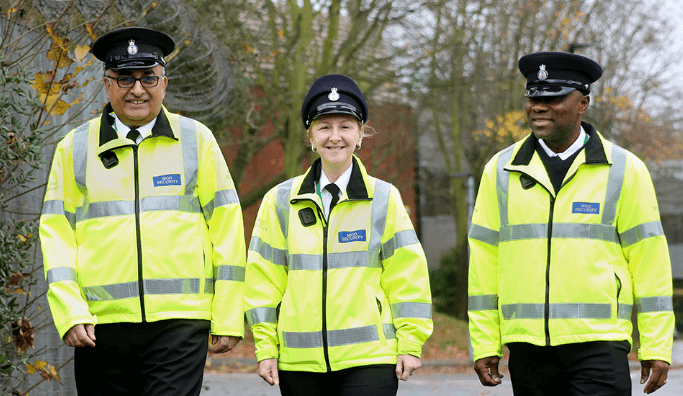
The UK ETA system is part of the government’s broader digital border initiative. Unlike the old system where visa-exempt travellers simply showed up at the UK border, the ETA requires pre-arrival screening. This allows UK Border Force and the Home Office to assess whether an individual poses any security, immigration, or criminal risk before they board their flight, train, or ferry.
These checks serve several purposes:
- National security screening — Identifying individuals who may pose a threat to UK security.
- Immigration compliance — Ensuring travellers intend to comply with the conditions of their visit.
- Criminal record checks — Flagging individuals with serious criminal convictions.
- Public health protection — Screening for certain health-related concerns where applicable.
- Counter-terrorism — Supporting the UK’s counter-terrorism framework by identifying persons of interest.
It is important to understand that being asked these questions does not mean you are suspected of anything. Every single ETA applicant must answer the same set of questions, regardless of nationality or background.
The Complete List of UK ETA Security Questions
While the exact wording may be updated periodically by the Home Office, the ETA form typically includes questions in the following categories. Here is what you need to know about each one:
1. Criminal Convictions
Question: Have you ever been convicted of a criminal offence in any country?
This question asks about criminal convictions worldwide, not just in your home country. You must declare any conviction, including:
- Convictions that are considered “spent” under your country’s rehabilitation laws
- Minor offences including traffic violations that resulted in a court conviction
- Convictions from any country, regardless of how long ago they occurred
However, you do not need to declare:
- Arrests that did not lead to a conviction
- Charges that were dropped or dismissed
- Parking tickets or fixed penalty notices that did not involve a court hearing
Tip: Always answer honestly. The UK shares criminal record data with many countries, and providing false information is itself a criminal offence that can result in a travel ban. Having a criminal record does not automatically disqualify you from receiving an ETA — each case is assessed individually.
2. Immigration History
Question: Have you been refused entry to, deported from, or removed from any country?
This covers your complete immigration history across every country you have visited, including:

- Being refused entry at a border (turned back)
- Being deported or removed from a country
- Being asked to leave a country voluntarily as an alternative to formal deportation
- Having a visa or entry permission cancelled or revoked
- Overstaying a visa in any country
Previously refused entry to the UK or another country? You should still apply for an ETA. Previous refusals are considered but do not automatically result in a denied ETA. Be prepared to provide details including dates, countries, and reasons if known. For guidance on what to do if your ETA is refused, see our article on what to do after a UK ETA refusal.
3. Terrorism and Extremism
Question: Have you at any point been involved in, supported, or encouraged terrorist activity anywhere in the world?
This is one of the most serious security questions and covers a broad range of activities:
- Direct involvement in terrorist activities or planning
- Financial support or fundraising for terrorist organisations
- Distributing or sharing terrorist propaganda
- Membership of or association with proscribed organisations
- Encouraging or inciting others to commit terrorist acts
The UK maintains a list of proscribed (banned) terrorist organisations. Any connection to these groups, even historical or indirect, is a reason to get legal advice before you apply.
4. War Crimes and Genocide
Question: Were you ever involved in, complicit in, or supportive of war crimes, crimes against humanity, or genocide?
This question relates to serious violations of international law and covers activities that may have occurred during armed conflicts or periods of political upheaval in any country worldwide.
5. Dangerous Activities
Question: Have you engaged in any other conduct that might suggest you are not a person of good character?
This broader question lets caseworkers screen for other concerns not covered by the specific questions above. It may include:
- Involvement in organised crime
- Financial crimes such as fraud or money laundering
- Human trafficking or exploitation
- Drug trafficking or production
- Any behaviour that the UK government considers indicative of poor character
6. Health Questions
Question: Do you have any condition that may pose a threat to public health?
The UK may ask about certain communicable diseases that are designated as public health threats. This question has evolved over the years and the specific conditions screened for may vary. If you answer yes, you may be asked to provide additional medical documentation, but it does not necessarily mean your ETA will be refused.
How to Answer UK ETA Security Questions Correctly
The one rule that matters most here is complete honesty. Here are detailed guidelines to help you through the process:
Be Truthful at All Times
Providing false or misleading information on an ETA application is a serious matter. It can result in:

- Immediate refusal of your ETA
- A ban from future UK entry
- Criminal prosecution for fraud
- Being detained and removed if discovered at the border
When in Doubt, Disclose
If you are unsure whether something needs to be declared, it is better to disclose it and provide an explanation. The UK immigration system is designed to assess each case on its merits. Honest disclosure of a minor issue is always better than concealment of the same issue, which could be treated as deception.
Provide Accurate Details
If you answer “yes” to any security question, be prepared to provide accurate details including:
- Dates (as precise as possible)
- Countries involved
- Brief description of circumstances
- Outcome (e.g., conviction, acquittal, sentence served)
Seek Legal Advice If Needed
If you have a complex immigration history or criminal record, consider seeking advice from a UK immigration solicitor before submitting your application. They can help you understand how your circumstances may affect your ETA application and advise on the best way to present your case.
What Happens After You Answer the Security Questions?
Once you submit your ETA application with every question answered, here is what happens next:
- Automated screening — Your answers are cross-referenced against UK security databases, including the Police National Computer, counter-terrorism watchlists, and international information-sharing systems.
- Risk assessment — An automated system assigns a risk level to your application based on your answers and database checks.
- Decision — Most applications (approximately 95%) are approved within minutes or hours. Applications that require manual review may take up to 72 hours or longer.
- Notification — You receive an email notification when your ETA is approved or if further information is required.
The vast majority of ETA applications are approved without any issues. For more details on how long the process takes, see our guide on UK ETA processing times in 2026.
Common Scenarios: How to Handle Specific Situations
I Have a Minor Criminal Conviction
If you have a minor conviction such as a drink driving offence or a minor theft from many years ago, you should still declare it. Minor spent convictions are generally not a barrier to ETA approval, but failing to declare them can be treated as deception, which is far more serious.
I Was Refused a Visa in the Past
A previous visa refusal (to the UK or any other country) does not automatically prevent you from getting an ETA. Declare the refusal, provide the details, and let the system assess your current circumstances. Many people with previous refusals successfully obtain ETAs.

I Have Dual Nationality
If you hold dual nationality, you must apply for your ETA using the passport you intend to travel with. Your security question answers should cover your complete history regardless of which nationality you are applying under. For more guidance, read our article on UK ETA and dual nationality.
I Am Not Sure If My Record Is Cleared
If you are uncertain whether a criminal conviction has been cleared, erased, or expunged in your home country, the safest approach is to declare it. You can note that you believe the conviction may have been spent or expunged, but that you are declaring it for completeness.
What If Your ETA Is Refused Due to Security Questions?
If your ETA application is refused, you will receive a notification explaining the reason. While the notification may not provide specific details about which security question triggered the refusal, you have several options:
- Apply for a standard visitor visa — A refused ETA does not prevent you from applying for a full UK visitor visa, which involves a more detailed application and interview process where you can provide supporting documentation.
- Talk to a solicitor — An immigration solicitor can help you understand the refusal and advise on the best course of action.
- Administrative review — In some cases, you may be able to request a review of the ETA decision.
- Reapply with updated information — If your circumstances have changed (e.g., a conviction has been spent), you may be able to reapply with updated information.
For comprehensive guidance on refusals, visit our detailed guide on handling a UK ETA refusal step by step.
Official Sources & References
- UK Government — Apply for an Electronic Travel Authorisation (ETA)
- UK Home Office — ETA Factsheet & Eligibility Requirements
- UK Government — Criminal Records Checks for Overseas Applicants
- UK Government — Immigration Rules: Grounds for Refusal
- UK Visas and Immigration — Contact UKVI
Frequently Asked Questions About UK ETA Security Questions
Are the security questions the same for everyone?
Yes. Every ETA applicant answers the same set of security and eligibility questions, regardless of their nationality, age, or background. This ensures fair and consistent screening for all travellers.

Can I save my application and come back to the security questions later?
The ETA form can usually be finished in a single sitting of roughly 10-15 minutes. Some versions of the application allow you to save progress. We recommend having all necessary information ready before starting. Learn how to apply through the official UK ETA app.
Will answering yes to a security question automatically refuse my ETA?
No. Answering “yes” to a security question does not result in automatic refusal. It may trigger additional manual review, but the Home Office assesses each case individually based on the details provided, the severity of the issue, and how long ago it occurred.
Do children need to answer security questions?
Yes. A child’s ETA application carries the same set of security questions, answered by a parent or legal guardian on their behalf.
What if I accidentally provide incorrect information?
If you realise you have provided incorrect information after submitting your application, you should contact UKVI as soon as possible to correct it. Genuine mistakes are treated differently from deliberate deception, but it is important to address errors promptly.
Can my employer or travel agent answer the security questions for me?
Someone else can help you fill in the form, but you are personally responsible for the accuracy of everything on it, including how each security question is answered. The person answering must have full knowledge of your history.
Conclusion
These questions are a standard part of the UK digital border screening process. They apply equally to all applicants and are designed to keep the UK safe while facilitating legitimate travel. Honesty is what carries most people through without a hitch. Declare relevant history, give accurate details, and talk to an immigration solicitor when your circumstances are genuinely complicated.
Most ETA applications are approved quickly, even when applicants answer “yes” to one or more security questions. The UK system is designed to distinguish between genuine risks and historical issues that do not affect current travel eligibility.
For more information on the ETA application process, visit our complete guide on how to apply for UK ETA online, and check the official UK Government ETA page for the latest requirements.


 English
  Arabic
  Bengali
  Bulgarian
  Catalan
  Chinese
  Croatian
  Czech
Czech  Danish
  Dutch
Dutch  Estonian
  Finnish
  French
  German
  Greek
Greek  Hebrew
  Hindi
Hindi  Hungarian
  Icelandic
  Indonesian
  Italian
  Japanese
  Korean
  Latvian
  Lithuanian
  Norwegian
  Polish
  Portuguese
  Romanian
  Slovak
  Spanish
  Vietnamese
  Malay
Malay  Slovenian
  Swedish
  Turkish