
Getting around England is straightforward once you understand the rail network, advance fares and when a car makes sense. The country is compact and well connected, so you can travel between major cities in a couple of hours and reach the countryside with a little planning. This guide explains the options, the costs and how to avoid overpaying.
TL;DR: The fastest way of getting around England in 2026 is by train, with advance fares booked around twelve weeks ahead far cheaper than buying on the day. Coaches are the budget option, while car hire suits rural areas. Most visitors need a UK ETA (£20) before they travel.
| Mode | Best for | Typical cost |
|---|---|---|
| Intercity train | Fast city-to-city travel | From £15 advance |
| Coach | Budget long-distance | From £5–£15 |
| Car hire | Rural areas, flexibility | From £35/day |
| City transport | Within towns and cities | £2–£9 daily |
Before you arrive, make sure your entry permit is sorted: most visitors need a UK ETA, and you can read how to apply online in minutes.
Trains: the backbone of English travel
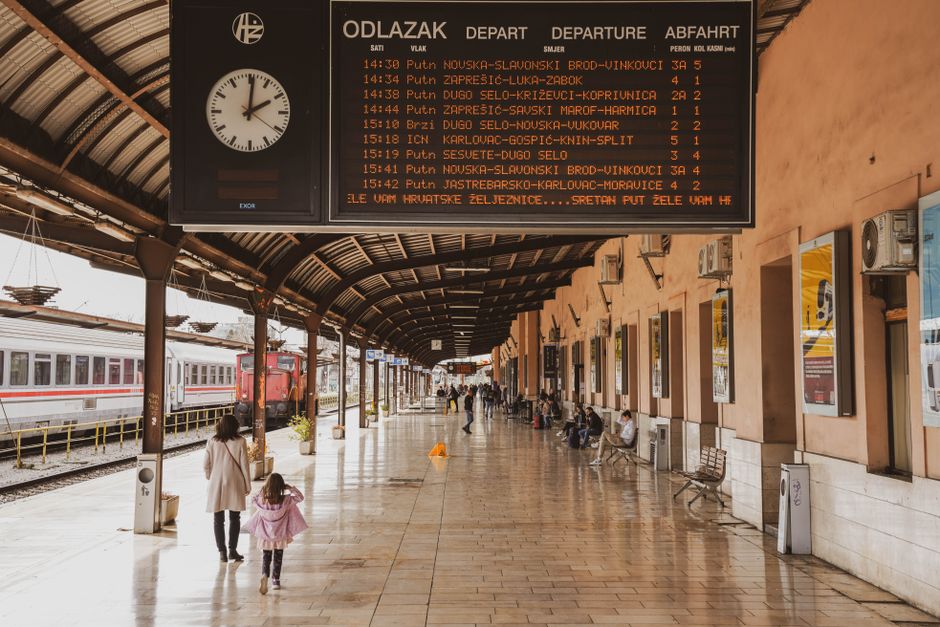
Rail is usually the fastest and most comfortable way to travel between English cities. London to Manchester takes around two hours, London to York under two, and cross-country routes link the regions without going through the capital. The network is dense in the south and midlands and along the main north–south lines, so most popular destinations are reachable without changing trains. The key to cheap travel is the advance fare: tickets are released roughly twelve weeks before departure, and the earliest bookings are by far the cheapest. Buying on the day, especially at peak times around the morning and evening rush, can cost several times more. A railcard can cut a third off fares if you qualify, and they are available for a range of travellers including young people, older travellers and those journeying together. National Rail publishes live times and tickets, and for arrival logistics our London airports guide explains the rail links from each airport.
| Route | Approx time | Advance fare from |
|---|---|---|
| London – Manchester | ~2 hrs | £20 |
| London – York | ~1 hr 50 | £25 |
| London – Bath | ~1.5 hrs | £18 |
| Manchester – Edinburgh | ~3 hrs | £30 |
Pro tip: Set a reminder for twelve weeks before your travel date, when advance tickets are released. Booking in that first window routinely saves 50–70% compared with walk-up fares, and you can reserve a seat at the same time.
Coaches, car hire and city transport
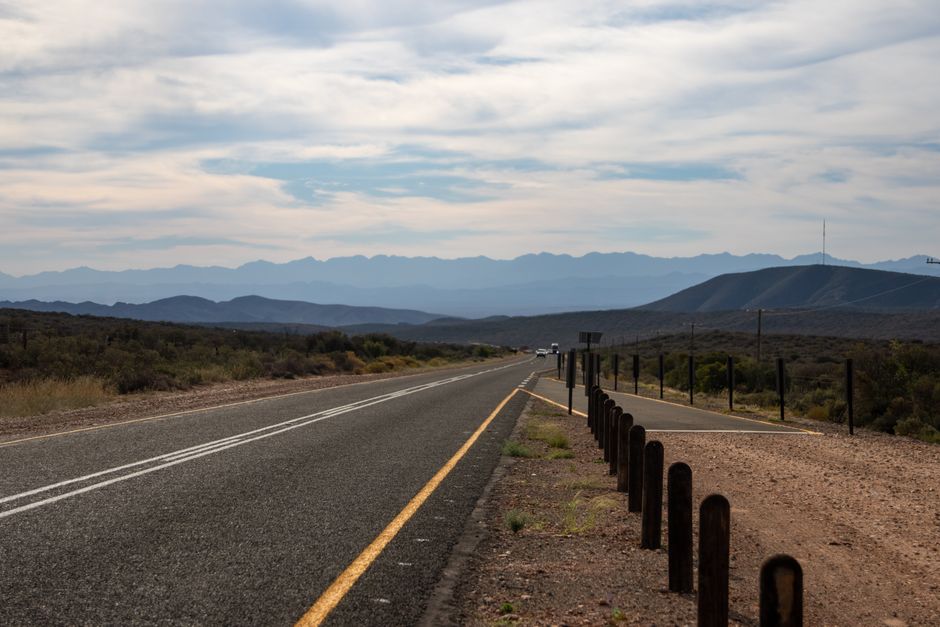
Coaches are the cheapest way to cover long distances, with fares often starting at just a few pounds if booked ahead. They are slower than trains but reach many towns the railways miss, and modern coaches offer wi-fi and reserved seating. Hiring a car comes into its own for rural regions — the Cotswolds, the Lake District, Cornwall and the Yorkshire Dales — where public transport is sparse; remember that driving is on the left and city-centre parking is limited and pricey. Within cities, contactless payment, day tickets and local travelcards keep costs low. London has its own integrated system, explained in our guide to UK cities beyond London and our essential visitor tips. For trip planning and regional ideas, VisitBritain is the official source, and entry rules are on GOV.UK.
Choosing between these options usually comes down to three factors: distance, budget and how rural your destination is. For fast hops between major cities, the train almost always wins on time and comfort. For the tightest budgets, or for overnight journeys, coaches are hard to beat on price. And for anywhere off the main rail and coach corridors — a country house hotel, a coastal village or a national park — a hire car removes the frustration of waiting for infrequent rural buses. Plenty of visitors never hire a car at all, relying entirely on trains and the occasional taxi, which works well if you stick to cities and well-connected towns.
Ticketing is worth understanding before you travel. UK rail fares come in three broad types: advance tickets, which are cheapest but tie you to a specific train; off-peak tickets, which are flexible within set times; and anytime tickets, which are the most expensive but valid on any service. For sightseeing trips planned in advance, advance tickets give the best value, while off-peak tickets suit travellers who want flexibility. If you are making several journeys, look into a railcard or a regional rover ticket, which can pay for itself in a couple of trips.
How to plan travel around England step by step

- Map your route and decide which legs are city-to-city (train or coach) and which are rural (car hire).
- Book advance train tickets as soon as they are released, around twelve weeks ahead, for the lowest fares.
- Compare coach fares for budget legs, and check journey times against the train.
- Reserve a hire car only for the rural portion of your trip to avoid city parking costs.
- Sort your UK ETA before departure and read our guide to processing times so it arrives in good time.
For a ready-made multi-region route, see our 10-day UK itinerary and the UK travel guide.
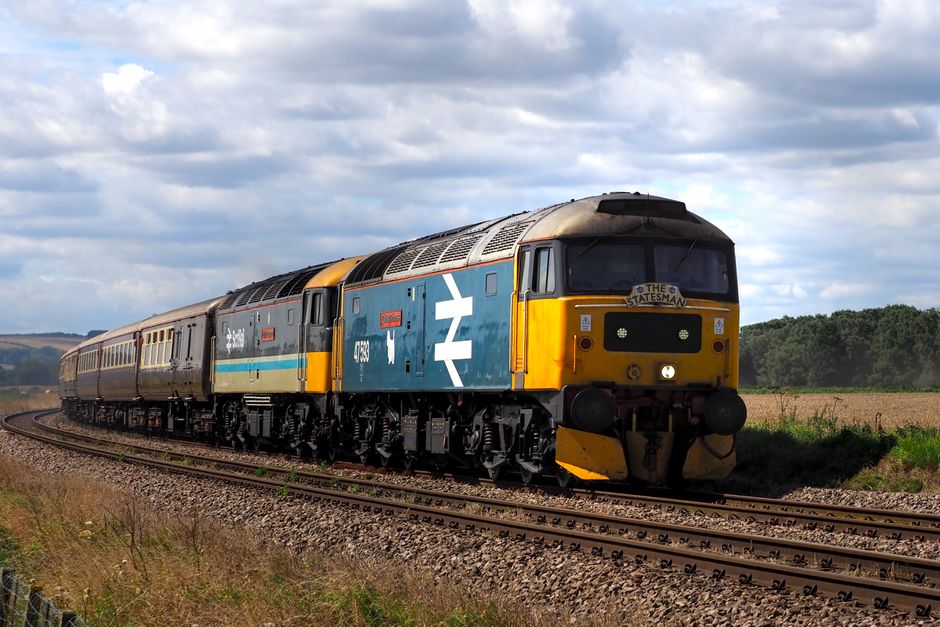
Practical tips for travelling around England
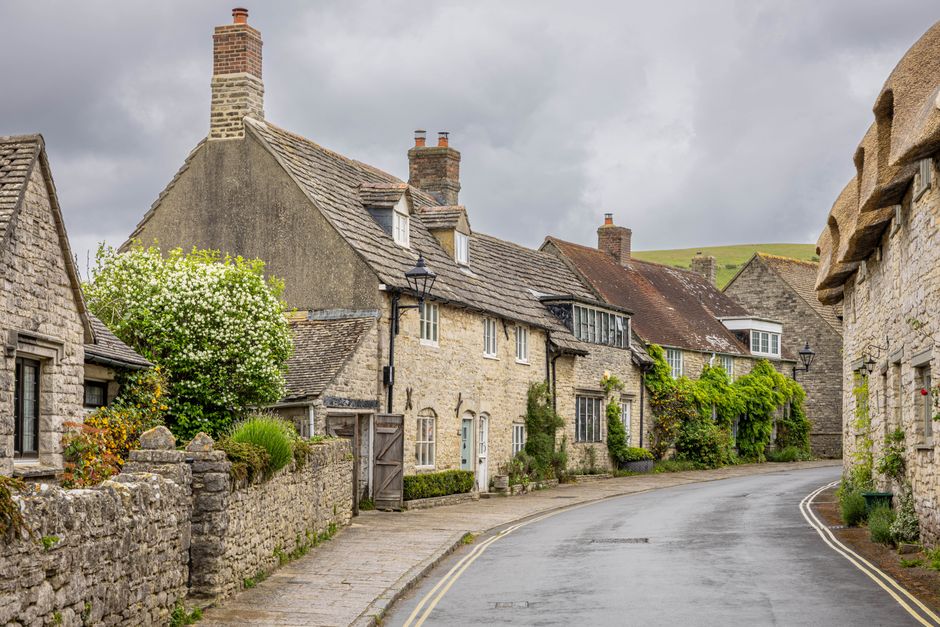
- Travel off-peak where you can: trains are cheaper and far less crowded outside the morning and evening rush hours.
- Keep luggage light: connections and station stairs are easier without heavy cases, and not every station has step-free access.
- Use a local SIM for live times: mobile apps give real-time platform and delay information, so compare options in our prepaid SIM guide.
- Carry the passport linked to your ETA: see our border control guide for arrival day.
Frequently Asked Questions
What is the cheapest way of getting around England?
Coaches are usually the cheapest for long distances, with fares from a few pounds when booked ahead. For trains, advance tickets released around twelve weeks before travel offer the best value, often far cheaper than buying on the day.
Is it better to take the train or hire a car in England?
Trains are faster and cheaper between cities, while car hire is better for rural areas with limited public transport. Many visitors combine the two — train between the cities, then a hire car picked up locally for the countryside portion of their trip, which avoids driving in busy urban centres.
How far in advance should I book train tickets?
Book as soon as advance tickets are released, roughly twelve weeks before departure, to get the lowest fares. Prices rise as the date approaches, so early booking on popular intercity routes can save 50% or more.
Do I drive on the left in England?
Yes. England, like the rest of the UK, drives on the left. If you are used to driving on the right, allow time to adjust, take extra care at roundabouts and junctions, and avoid tackling busy city centres on your first day. Automatic hire cars are available but should be booked early, as most UK hire cars are manual.
Can I use one UK ETA to travel all around England and beyond?
Yes. A single UK ETA covers the whole of the UK, so you can travel freely around England and on into Scotland or Wales on the same permit without any extra authorisation. There are no internal borders to cross between the home nations, so your domestic train, coach and car journeys involve no further checks.
Are English trains reliable?
English trains are generally frequent and reliable, though occasional delays and weekend engineering works happen, particularly on Sundays. Check live times before you travel, allow a buffer for tight connections, and keep an eye on station boards and the official app for updates. If a delay is long enough, you may be entitled to compensation from the train operator.
How much does city transport cost in England?
City transport typically costs £2–£9 a day depending on the city, with contactless payment and day tickets widely available. London has its own capped contactless system; other cities such as Manchester, Birmingham and Newcastle use local travelcards, trams or simple flat fares on buses, which keep getting around affordable for visitors.
Do I need to book trains for specific times?
Only advance tickets tie you to a specific train; off-peak and anytime tickets let you board any valid service. If your plans are firm, advance tickets are cheapest, but if you value flexibility, an off-peak ticket lets you travel on any off-peak train that day without rebooking.
Should I buy a rail pass or individual tickets for England?
It depends on how much you plan to travel. For a couple of intercity journeys, individual advance tickets booked early are usually cheapest. If you intend to make many train trips across several days or regions, a rail rover or flexi pass can offer better value and the convenience of not rebooking each leg. Families should note that children travel at reduced fares, and a railcard can cut a third off eligible fares, which quickly adds up. Work out your rough itinerary first, then compare the total cost of advance tickets against a pass to see which suits your particular trip.

 English
  Arabic
  Bengali
  Bulgarian
  Catalan
  Chinese
  Croatian
  Czech
Czech  Danish
  Dutch
Dutch  Estonian
  Finnish
  French
  German
  Greek
Greek  Hebrew
  Hindi
Hindi  Hungarian
  Icelandic
  Indonesian
  Italian
  Japanese
  Korean
  Latvian
  Lithuanian
  Norwegian
  Polish
  Portuguese
  Romanian
  Slovak
  Spanish
  Vietnamese
  Malay
Malay  Slovenian
  Swedish
  Turkish