
This Scotland travel guide covers everything you need for a 2026 trip, from the entry permit you must hold before you fly to Edinburgh’s old town, the wild beauty of the Highlands and the practicalities of getting around. Scotland offers castles, lochs, islands and some of Europe’s most striking scenery — and a visit begins with sorting your UK ETA.
TL;DR: Most visitors to Scotland need a UK ETA, which costs £20, allows stays of up to six months and is valid for two years or until your passport expires. The same permit covers the whole UK. Apply online before you travel, allow up to three working days for a decision, then budget around £100–£190 a day.
| Item | Detail for Scotland visitors |
|---|---|
| Entry permit | UK ETA (£20) for most non-visa nationals |
| ETA validity | 2 years or until passport expiry; multiple entries |
| Maximum stay | Up to 6 months per visit |
| Currency | Pound sterling (£) |
| Typical daily budget | £100–£190 (mid-range) |
| Best months | May, June and September |
Sort your entry permit before anything else. Our overview of ETA visas to the UK explains the rules, and our application walkthrough shows how to apply in minutes.
Do you need a UK ETA to visit Scotland?
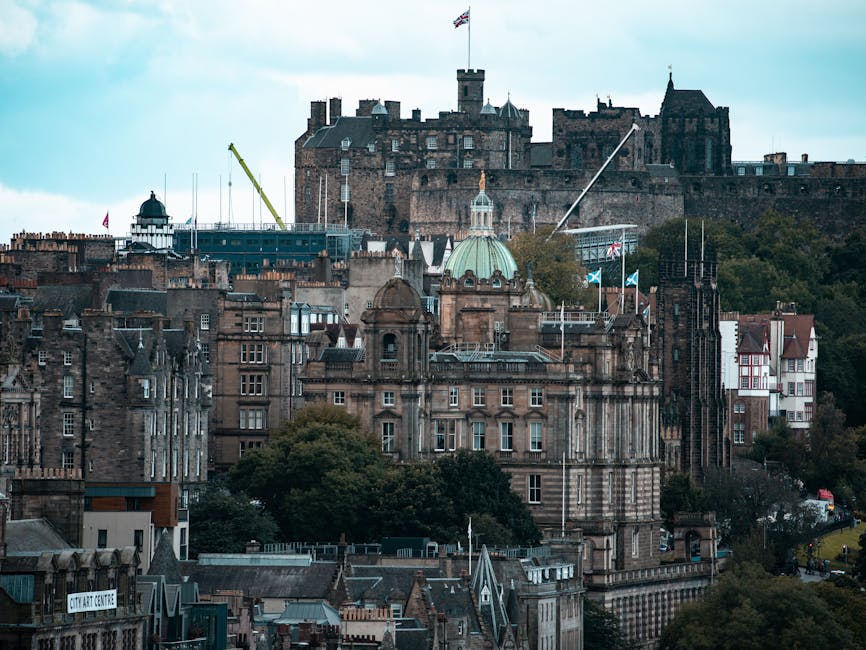
Yes — Scotland is part of the United Kingdom, so non-visa nationals need a UK ETA to enter, exactly as they would for England. The scheme became fully mandatory on 25 February 2026. Crucially, one ETA covers all four home nations, so you can fly into Edinburgh or Glasgow, or travel up from England, on the same £20 permit. Confirm your status in our country guide covering 85 nationalities, and check the specific note on whether your ETA is valid for Scotland and Wales.
The ETA links to the passport you apply with, so travel on that document and re-apply if it is renewed. Citizens of EU countries and the United States all need one.
Pro tip: If you are flying into Scotland directly from outside the UK, your ETA is checked before boarding, not just on arrival. Make sure the approval email has come through before you head to the airport, and carry the same passport you applied with.
Where to go: Edinburgh, Glasgow and the Highlands
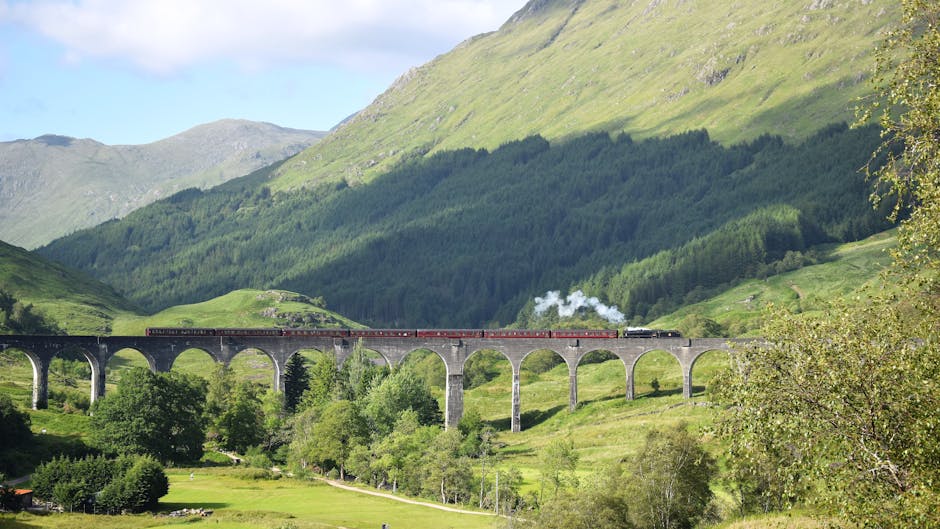
Most trips begin in Edinburgh, whose castle, royal mile and festival season draw visitors year-round. Glasgow, an hour west, counters with music, art and a livelier nightlife. Beyond the cities, the Highlands deliver the scenery Scotland is famous for — Loch Ness, Glencoe, the Isle of Skye and the long road north to the coast. The whisky trails of Speyside and the historic St Andrews add further reasons to linger. Distances are larger than in England and public transport thins out in remote areas, so plan travel time generously. For more inspiration on the wider country, see our top UK attractions and best UK cities beyond London.
Edinburgh deserves at least two full days. The medieval Old Town and elegant Georgian New Town are both UNESCO-listed, and the city is compact enough to explore on foot, from the castle esplanade down the Royal Mile to the Palace of Holyroodhouse. Climb Arthur’s Seat for sweeping views, then dive into the museums, many of which are free. If your trip falls in August, the city hosts the world’s largest arts festival, so book accommodation months ahead and expect higher prices.
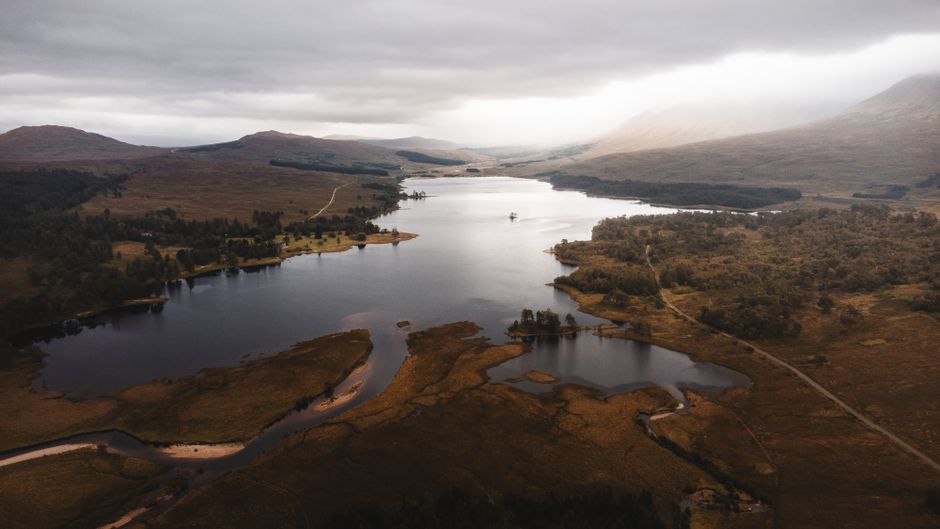
For the Highlands, decide between a self-drive road trip and an organised tour. Driving gives you the freedom to stop at viewpoints and reach remote glens, while a guided tour removes the stress of single-track roads and lets you focus on the scenery. Either way, the classic route runs from Edinburgh or Glasgow up to Loch Lomond, through Glencoe to Fort William, and on towards Inverness and Loch Ness, with the Isle of Skye a worthwhile detour for those with extra days.
| Destination | Known for | From Edinburgh |
|---|---|---|
| Glasgow | Music, art, nightlife | ~50 min by train |
| Loch Ness / Inverness | Highlands gateway | ~3.5 hrs by train |
| Isle of Skye | Dramatic island scenery | ~5–6 hrs by car |
| St Andrews | Golf, history, coast | ~1.5 hrs |
How to plan a Scotland trip step by step

- Check your passport validity for the whole stay using our passport validity checklist.
- Apply for your UK ETA, pay £20 and wait for confirmation; see the application guide.
- Choose your base — Edinburgh for first-timers, Inverness for the Highlands, Glasgow for culture.
- Decide on transport early — train and bus for cities, a hire car for the Highlands and islands.
- Confirm your ETA before you fly; you can check your ETA status online if the email is delayed.
To weave Scotland into a wider route, our 10-day UK itinerary shows how to combine it with England.
Getting around and what it costs
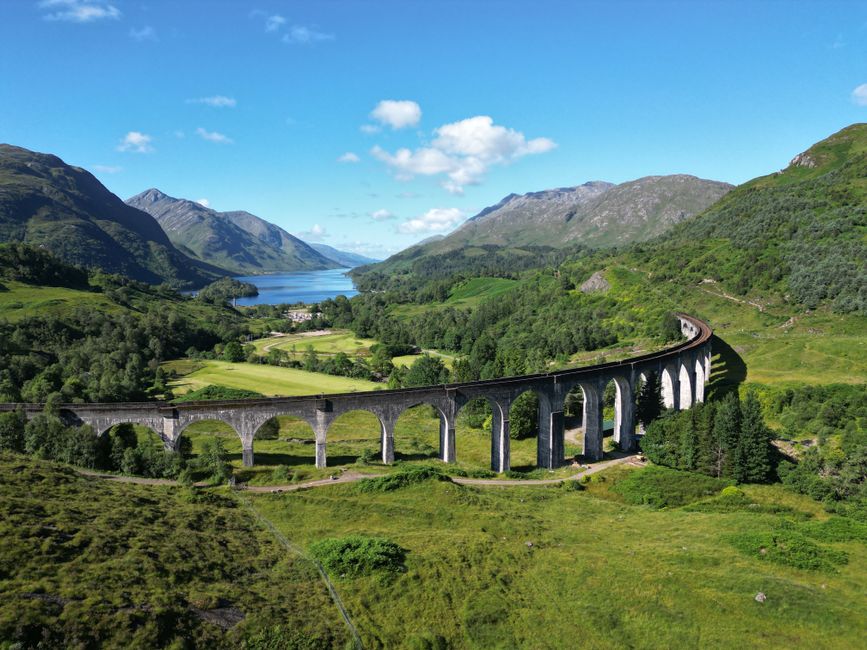
Scotland’s central belt — Edinburgh, Glasgow and the towns between — is well served by frequent trains and buses. Beyond it, the famous scenic rail lines reach Fort William and the west coast, while ferries connect the islands. For the Highlands and remote glens, a hire car gives the freedom that public transport cannot, though single-track roads call for careful, courteous driving. A comfortable mid-range day costs around £100–£190 including accommodation, transport, food and attractions, a little less than London. The official tourism board, VisitScotland, publishes routes and seasonal events, and entry rules are on GOV.UK. Our essential tips for visitors help you save on the ground.
- Allow extra travel time: Highland distances are deceptive and roads are slow, so see our UK travel guide for realistic timings.
- Pack for changeable weather: layers and a waterproof are essential even in summer, and insect repellent helps against Highland midges between June and August.
- Carry your ETA passport: read our border control guide to know what to expect at the UK border on arrival day.
Frequently Asked Questions
Do I need a UK ETA to visit Scotland?
Yes, if you are a non-visa national. Scotland is part of the UK, so the UK ETA requirement applies just as it does for England. One £20 ETA covers Scotland, England, Wales and Northern Ireland, so you only need a single permit for the whole country.
Can I fly directly into Scotland with a UK ETA?
Yes. You can fly straight into Edinburgh, Glasgow, Aberdeen or Inverness from abroad using your UK ETA, which is checked before boarding. There is no need to enter through England first. Make sure your approval has arrived before you travel.
How many days do I need for Scotland?
Five to seven days lets you combine Edinburgh with a Highlands trip; ten days or more allows islands such as Skye and a slower pace. With just a long weekend, focus on Edinburgh and a single day trip rather than rushing the Highlands. Because the UK ETA lasts two years and permits multiple visits, you can always return to explore the islands or the north coast on a later trip.
Is Scotland expensive to visit?
Scotland is generally a little cheaper than London, with mid-range trips costing around £100–£190 a day. Remote areas can be pricier for fuel and food, and island ferries add to the budget, so plan accordingly if you head into the Highlands or out to the islands. Edinburgh during the August festival season is the priciest time and place, so book early.
What is the best time to visit Scotland?
Late spring and early autumn — May, June and September — offer the best balance of weather, daylight and fewer midges. Summer is warmest and busiest, especially during Edinburgh’s August festivals, while winter brings short days but dramatic, snow-dusted landscapes and the chance of the northern lights in the far north. See our guide to the best time to travel to the UK.
Do I need a car to see the Highlands?
A hire car gives the most freedom in the Highlands and islands, where public transport is limited and timetables sparse. Scenic rail lines such as the West Highland Line and organised day tours from Edinburgh or Inverness are good alternatives if you prefer not to drive on Scotland’s single-track roads.
How long does a UK ETA take to approve?
Most decisions come within three working days, often much faster, though some applications are referred for further checks. Apply well ahead of travel, especially in busy summer months, and consult our guide to UK ETA processing times so your permit is confirmed before you fly.
Is Scotland a separate country for entry purposes?
For travel and entry purposes, Scotland is part of the United Kingdom, so there is no separate Scottish visa or permit. The same UK ETA that lets you enter England also covers Scotland, and there are no border checks when you travel between the two. You can fly into a Scottish airport directly from abroad, or arrive overland from England, on the same permit. The only document you need is a valid passport with an approved ETA linked to it. This makes combining Scotland with the rest of Britain straightforward, whether you start your trip in Edinburgh or work your way north from London.

 English
  Arabic
  Bengali
  Bulgarian
  Catalan
  Chinese
  Croatian
  Czech
Czech  Danish
  Dutch
Dutch  Estonian
  Finnish
  French
  German
  Greek
Greek  Hebrew
  Hindi
Hindi  Hungarian
  Icelandic
  Indonesian
  Italian
  Japanese
  Korean
  Latvian
  Lithuanian
  Norwegian
  Polish
  Portuguese
  Romanian
  Slovak
  Spanish
  Vietnamese
  Malay
Malay  Slovenian
  Swedish
  Turkish