
Choosing the best time to travel to uk in 2026 is not just about weather. For many travellers, it is a balance between climate, crowds, prices, seasonal events and travel requirements. The UK can feel like several different countries depending on when you visit — calm and green in spring, lively and crowded in summer, atmospheric in autumn and surprisingly festive in winter.
This guide explains when the UK is at its best, what to expect in each season, and how timing can affect both your experience and your travel planning.
What really defines the best time to travel to uk?
Many visitors assume summer is automatically the best option. However, the reality is more nuanced. The best time to travel to uk depends on what you value most: mild weather, fewer tourist (explore more at VisitBritain)s, lower prices or cultural experiences.
Key fact: The United Kingdom welcomes over 40 million international visitors each year. From 2025, most visa-free visitors need an Electronic Travel Authorisation (ETA) costing £20 (Source: GOV.UK).
Generally, travellers consider:
-
Weather and daylight hours
-
Crowd levels in major cities
-
Flight and accommodation prices
-
Festivals, holidays and seasonal events
-
Travel logistics and entry requirements
Understanding these factors helps you choose a period that fits your expectations rather than relying on generic advice.
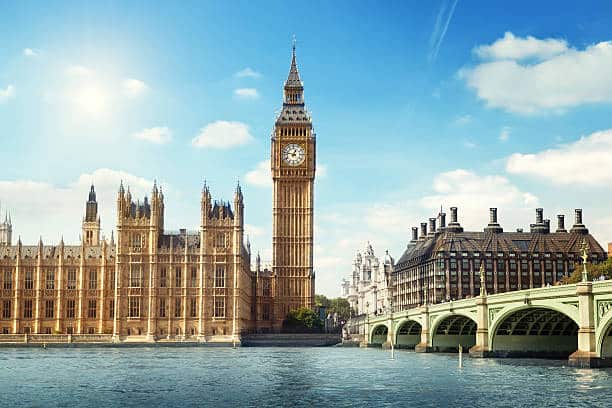
Spring (March–May): Mild weather and fewer crowds
Spring is often considered one of the best times to travel to uk, especially for first-time visitors. Temperatures are moderate, parks and countryside turn green, and cities feel less rushed than in peak summer.
March can still feel cool, but by April and May the weather becomes more stable. London, Edinburgh and smaller historic towns are comfortable to explore on foot, and popular attractions are noticeably less crowded.
Why spring works well:
-
Pleasant temperatures without summer heat
-
Blooming gardens and parks
-
Lower prices compared to peak season
-
Easier access to attractions
For travellers who enjoy sightseeing and walking, spring offers a strong balance between comfort and value.
Summer (June–August): Long days and peak season energy
Summer brings the warmest weather and the longest daylight hours. For many, this is the classic answer to best time to travel to uk — but it comes with trade-offs.
June and July are ideal for festivals, outdoor events and coastal trips. However, this is also the busiest and most expensive time of year. Popular destinations like London, Oxford or the Scottish Highlands can feel crowded, and accommodation prices rise sharply.
Summer is best if you:
-
Enjoy festivals and outdoor activities
-
Don’t mind crowds
-
Are travelling with children during school holidays
-
Plan well in advance
August can be unpredictable weather-wise, but the atmosphere across the UK remains lively and social.
Autumn (September–November): Calm, colourful and underrated

Autumn is often overlooked, yet many experienced travellers consider it the best time to travel to uk. September still offers mild weather, while October and November bring quieter cities and dramatic landscapes.
Tourist numbers drop significantly after summer, making museums, historic sites and restaurants easier to enjoy. Autumn colours in parks and countryside add to the atmosphere, particularly in England and Scotland.
Why autumn stands out:
-
Fewer tourists
-
Lower accommodation costs
-
Comfortable temperatures for city travel
-
A more local, authentic feel
For relaxed travellers who prefer atmosphere over buzz, autumn is a strong contender.
Winter (December–February): Festive but weather-dependent
Winter is rarely labelled the best time to travel to uk, but it can be rewarding for the right traveller. December brings Christmas markets, lights and seasonal events, especially in London and Edinburgh.
January and February are the coldest months, with shorter days and higher chances of rain. However, prices are often at their lowest, and major cities remain active year-round.
Winter suits travellers who:
-
Prioritise budget travel
-
Enjoy festive city breaks
-
Plan indoor-focused itineraries
-
Don’t mind unpredictable weather
Snow is possible but not common, and major transport routes usually continue to operate normally.
Best time to travel to uk by travel style
Different travellers value different experiences. In practice, the best time to travel to uk depends on your priorities.
-
Sightseeing & city breaks: April–May, September–October
-
Festivals & outdoor events: June–July

-
Budget travel: January–February
-
Nature & countryside: May, September
-
Christmas atmosphere: December
Choosing based on travel style often leads to a better experience than simply following peak-season trends.
Travel planning considerations
Timing also affects practical aspects of your trip. During peak months, flights and accommodation sell out quickly. In quieter seasons, planning is more flexible but weather backup plans are essential.
Additionally, travellers should always check entry requirements, including whether a UK ETA or visa is required based on nationality and travel dates. Planning ahead avoids unnecessary stress at departure.
FAQ – best time to travel to uk
What is the overall best time to travel to uk?
For most travellers, late spring (April–May) and early autumn (September) offer the best balance of weather, prices and crowd levels.
Is summer too crowded in the UK?
In major cities and tourist hotspots, yes. However, rural areas and smaller towns remain enjoyable with good planning.
Is winter a bad time to visit the UK?
Not necessarily. While weather can be unpredictable, winter is ideal for budget travellers and festive city breaks.
Does the weather vary a lot by region?
Yes. Southern England is generally milder, while Scotland and northern regions are cooler and more changeable year-round.
Official Sources & References
This guide is based on official UK government and tourism board sources for planning your visit to Great Britain.

- VisitBritain — Official UK Tourism
- VisitBritain — Plan Your Trip
- UK Government — Apply for an ETA
- UK Government — Check If You Need a UK Visa
- VisitScotland — Travel Planning
Final thoughts: choosing the right moment
There is no single answer to the best time to travel to uk — it depends on what kind of trip you want. Spring and autumn suit most travellers, summer offers energy and events, while winter rewards flexibility and budget awareness.
Ultimately, the best trips happen when expectations match reality. Plan around your priorities, check travel requirements early, and choose a season that fits your travel style rather than following the crowd.
UK Weather by Season: What to Expect
| Season | Months | Temperature | Weather | Best For |
|---|---|---|---|---|
| Spring | March–May | 8–16°C | Mixed, some rain, blooming gardens | Gardens, countryside, fewer crowds |
| Summer | June–August | 17–25°C | Warmest, occasional heatwaves | Outdoor events, festivals, coast |
| Autumn | September–November | 10–17°C | Crisp, colourful foliage, increasing rain | Cheaper travel, autumn landscapes |
| Winter | December–February | 2–8°C | Cold, grey, occasional snow in north | Christmas markets, low-season prices |
Major UK Events and Festivals by Month
- February: Six Nations Rugby begins; BAFTA film awards in London.
- April/May: Chelsea Flower Show preparations; Shakespeare’s Birthday celebrations in Stratford-upon-Avon.
- June: Trooping the Colour (King’s Birthday Parade); Royal Ascot horse racing; Glastonbury Festival.
- July: Wimbledon Tennis Championships; The Open (golf championship).
- August: Edinburgh Festival Fringe (world’s largest arts festival); Notting Hill Carnival in London.
- November: Guy Fawkes Night (5 Nov) with fireworks displays nationwide; Christmas lights switch-on in London.
- December: Christmas markets in Bath, Edinburgh, Birmingham, and Manchester; New Year’s Eve fireworks over the Thames.
Shoulder Season: The Smart Traveller’s Choice

Additionally, travel industry professionals consistently recommend April–May and September–October as the optimal times to visit the UK. These shoulder season months offer a balance of reasonable weather, lower prices, and thinner crowds compared to the peak summer months. In spring, the UK’s famous gardens and parks — including Kew Gardens, Hyde Park, and the Chelsea Physic Garden — are at their most colourful. In autumn, the golden foliage of the Scottish Highlands and English countryside provides spectacular scenery for walkers and photographers. Hotel rates during shoulder season are typically 20–40% lower than peak summer prices, and popular attractions have noticeably shorter queues.
Furthermore, winter travel to the UK offers the greatest cost savings and a unique atmosphere, particularly in December when Christmas markets in Bath, Edinburgh, Manchester, and Birmingham create a festive ambiance. If cold, grey weather does not deter you, winter is the best time for budget-conscious travellers who prioritise value. January and February offer the absolute lowest prices for flights and accommodation, though some rural attractions and seasonal venues may be closed.
Moreover, whatever time of year you visit, apply for your UK ETA well in advance — at least 72 hours before your departure, though a week ahead is ideal for peak season travel. The 2-year multi-entry validity of the ETA means you can plan multiple UK trips without reapplying, making it even more worthwhile to sort your ETA early. Check the current official fee and apply through gov.uk/eta or the UK ETA app to ensure you pay only the official government rate. With your ETA secured and your travel dates chosen to match the UK’s seasonal highlights, you are set for an excellent visit to one of the world’s most rewarding travel destinations.
In addition, no matter when you visit, the UK rewards travellers with its extraordinary combination of world-class culture, dramatic natural landscapes, and warm hospitality. Apply for your UK ETA well in advance of your chosen travel dates at gov.uk/eta, pack layers of clothing to handle the variable British weather, and prepare for an unforgettable experience. The UK’s compact geography means you can explore London, the Cotswolds, Edinburgh, and the Highlands all within a single trip — making every season an opportunity for discovery. Whether you arrive in the bloom of spring or the festive glow of winter, the United Kingdom has something remarkable to offer every visitor.


 English
  Arabic
  Bengali
  Bulgarian
  Catalan
  Chinese
  Croatian
  Czech
Czech  Danish
  Dutch
Dutch  Estonian
  Finnish
  French
  German
  Greek
Greek  Hebrew
  Hindi
Hindi  Hungarian
  Icelandic
  Indonesian
  Italian
  Japanese
  Korean
  Latvian
  Lithuanian
  Norwegian
  Polish
  Portuguese
  Romanian
  Slovak
  Spanish
  Vietnamese
  Malay
Malay  Slovenian
  Swedish
  Turkish