 Vés al contingut
Triar el millor moment per viatjar al Regne Unit el 2026 No es tracta només del temps. Per a molts viatgers, és un equilibri entre el clima, les multituds, els preus, els esdeveniments estacionals i els requisits de viatge. El Regne Unit pot semblar diversos països segons l'època de la visita: tranquil i verd a la primavera, animat i concorregut a l'estiu, atmosfèric a la tardor i sorprenentment festiu a l'hivern.
Aquesta guia explica Quan el Regne Unit està en el seu millor moment, què esperar de cada temporada i com la temporalitat pot afectar tant la teva experiència com la teva planificació del viatge.
Què defineix realment el millor moment per viatjar al Regne Unit?
Molts visitants assumeixen que l'estiu és automàticament la millor opció. Tanmateix, la realitat és més matisada. El millor moment per viatjar al Regne Unit Depèn del que valores més: un clima suau, menys turistes (explora més a Visita Gran Bretanya)s, preus més baixos o experiències culturals.
Dada clau: El Regne Unit acull més de 40 milions de visitants internacionals cada any. A partir del 2025, la majoria de visitants exempts de visat necessitaran una Autorització Electrònica de Viatge (ETA) que costarà 20 lliures esterlines (Font: GOV.UK).
Generalment, els viatgers consideren:
-
Oratge i hores de llum
-
Nivells de multitud a les grans ciutats
-
Preus de vol i d'allotjament
-
Festivals, festes i esdeveniments estacionals
-
Logística de viatge i requisits d'entrada
Comprendre aquests factors t'ajuda a triar un període que s'ajusti a les teves expectatives en lloc de confiar en consells genèrics.
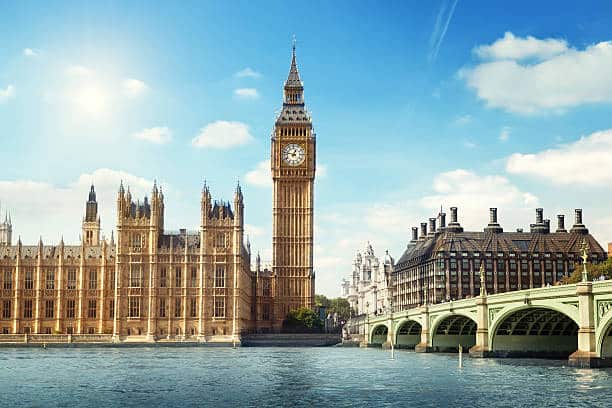
Primavera (març–maig): clima suau i menys multituds
La primavera sovint es considera una de les Millors moments per viatjar al Regne Unit, especialment per als visitants que hi vénen per primera vegada. Les temperatures són moderades, els parcs i el camp es tornen verds, i les ciutats semblen menys atabalades que en ple estiu.
Març encara pot semblar fresc, però a l'abril i al maig el temps es torna més estable. Londres, Edimburg i els pobles històrics més petits són còmodes per explorar a peu, i les atraccions populars estan notablement menys concorregudes.
Per què la molla funciona bé:
-
Temperatures agradables sense la calor de l'estiu
-
Jardins i parcs florits
-
Preus més baixos en comparació amb la temporada alta
-
Accés més fàcil a les atraccions
Per als viatgers que gaudeixen de visitar llocs d'interès i de caminar, la primavera ofereix un equilibri sòlid entre comoditat i valor.
Estiu (juny–agost): dies llargs i energia de temporada alta
L'estiu porta el temps més càlid i les hores de llum més llargues. Per a molts, aquesta és la resposta clàssica a millor moment per viatjar al Regne Unit — però comporta concessions.
Juny i juliol són ideals per a festivals, esdeveniments a l'aire lliure i escapades costaneres. Tanmateix, aquesta és també l'època de l'any més concorreguda i cara. Destinacions populars com Londres, Oxford o les Highlands escoceses poden semblar massa concorregudes, i els preus dels allotjaments pugen bruscament.
L'estiu és millor si tu:
-
Gaudeix dels festivals i de les activitats a l'aire lliure
-
No em molesten les multituds
-
Viatgen amb nens durant les vacances escolars
-
Planifiqueu amb molta antelació
L'agost pot ser imprevisible pel que fa al temps, però l'ambient arreu del Regne Unit continua sent animat i social.
Tardor (setembre–novembre): tranquil·la, colorida i infravalorada

La tardor sovint passa desapercebuda, però molts viatgers experimentats la consideren la millor moment per viatjar al Regne Unit. Setembre encara ofereix un temps suau, mentre que octubre i novembre porten ciutats més tranquil·les i paisatges dramàtics.
El nombre de turistes disminueix significativament després de l'estiu, cosa que fa que sigui més fàcil gaudir dels museus, dels llocs històrics i dels restaurants. Els colors de la tardor als parcs i al camp afegeixen ambient, especialment a Anglaterra i Escòcia.
Per què la tardor destaca:
-
Menys turistes
-
Costos d'allotjament més baixos
-
Temperatures agradables per viatjar per la ciutat
-
Una sensació més local i autèntica
Per als viatgers relaxats que prefereixen l'ambient al bullici, la tardor és una candidata molt sòlida.
Hivern (desembre–febrer): festiu però dependent del temps
L'hivern rarament és etiquetat com el millor moment per viatjar al Regne Unit, però pot ser gratificant per al viatger adequat. Desembre porta mercats de Nadal, llums i esdeveniments estacionals, especialment a Londres i Edimburg.
Gener i febrer són els mesos més freds, amb dies més curts i més probabilitats de pluja. Tanmateix, els preus sovint són els més baixos i les grans ciutats romanen actives durant tot l'any.
L'hivern convé als viatgers que:
-
Prioritza els viatges amb pressupost ajustat
-
Gaudeix d'escapades urbanes festives
-
Planifiqueu itineraris centrats en l'interior
-
No importa el temps imprevisible
És possible que nevi, però no és habitual, i les principals rutes de transport normalment continuen funcionant amb normalitat.
El millor moment per viatjar al Regne Unit segons l'estil de viatge
Diferents viatgers valoren diferents experiències. En la pràctica, els millor moment per viatjar al Regne Unit Depèn de les teves prioritats.
-
Turisme i escapades urbanes: Abril–maig, setembre–octubre
-
Festivals i esdeveniments a l'aire lliure: Juny–juliol

-
Viatge econòmic: Gener–Febrer
-
Natura i camp: Maig, setembre
-
Ambient de Nadal: Desembre
Triar segons l'estil de viatge sovint porta a una millor experiència que simplement seguir les tendències de temporada alta.
Consideracions per a la planificació del viatge
La planificació del moment també afecta aspectes pràctics del teu viatge. Durant els mesos de màxima afluència, els vols i l'allotjament s'esgoten ràpidament. En les estacions més tranquil·les, la planificació és més flexible, però és essencial tenir plans de contingència per al temps.
A més, els viatgers sempre han de comprovar requisits d'accés, incloent si un Regne Unit ETA o visat És necessari segons la nacionalitat i les dates de viatge. Planificar amb antelació evita l'estrès innecessari a la sortida.
Preguntes freqüents – el millor moment per viatjar al Regne Unit
Quin és el millor moment en general per viatjar al Regne Unit?
Per a la majoria de viatgers, la fi de la primavera (abril-maig) i el principi de la tardor (setembre) ofereixen el millor equilibri entre el temps, els preus i el nivell de multitud.
És l'estiu massa concorregut al Regne Unit?
A les grans ciutats i als punts turístics més concorreguts, sí. Tanmateix, les zones rurals i els pobles més petits continuen sent agradables amb una bona planificació.
És l'hivern una mala època per visitar el Regne Unit?
No necessàriament. Tot i que el temps pot ser imprevisible, l'hivern és ideal per als viatgers amb pressupost ajustat i per a escapades urbanes festives.
El temps varia molt segons la regió?
Sí. El sud d'Anglaterra és generalment més suau, mentre que Escòcia i les regions del nord són més fresques i més canviants durant tot l'any.
Fonts oficials i referències
Aquesta guia es basa en fonts oficials del govern del Regne Unit i de l'oficina de turisme per planificar la vostra visita a Gran Bretanya.

- VisitBritain — Turisme oficial del Regne Unit
- VisitBritain — Planifica el teu viatge
- Govern del Regne Unit — Sol·licita una ETA
- Governo del Regne Unit — Comproveu si necessiteu un visat per al Regne Unit
- VisitScotland — Planificació de viatges
Reflexions finals: triar el moment adequat
No hi ha una única resposta a la millor moment per viatjar al Regne Unit — depèn del tipus de viatge que vulguis. La primavera i la tardor s'adapten a la majoria de viatgers, l'estiu ofereix energia i esdeveniments, mentre que l'hivern recompensa la flexibilitat i la consciència pressupostària.
En última instància, els millors viatges es produeixen quan les expectatives coincideixen amb la realitat. Planifica segons les teves prioritats, comprova amb antelació els requisits de viatge i tria una estació que s'ajusti al teu estil de viatge en lloc de seguir la multitud.
Oratge al Regne Unit per estació: què cal esperar
| Temporada | Mesos | Temperatura | Oratge | El millor per a |
|---|---|---|---|---|
| Primavera | Març–maig | 8–16°C | Variat, una mica de pluja, jardins en flor | Jardins, camp, menys multituds |
| Estiu | Juny–agost | 17–25 °C | Amb les màximes més càlides, onades de calor ocasionals | Esdeveniments a l'aire lliure, festivals, costa |
| Tardor | Setembre–novembre | 10–17 °C | Fullaratge fresc i colorit, pluja creixent | Viatges més barats, paisatges de tardor |
| Hivern | Desembre–febrer | 2–8 °C | Fred, gris, neu ocasional al nord | Mercats de Nadal, preus de temporada baixa |
Principals esdeveniments i festivals del Regne Unit per mes
- Febrer: Comença el Seis Nacions de rugbi; els premis cinematogràfics BAFTA a Londres.
- Abril/Maig: Preparatius per al Chelsea Flower Show; celebracions del naixement de Shakespeare a Stratford-upon-Avon.
- Juny: Desfilada de la Bandera (Parada del Naixement del Rei); curses de cavalls d'Ascot Reial; Festival de Glastonbury.
- Juliol: Campionats de tennis de Wimbledon; The Open (campionat de golf).
- Agost: Festival Fringe d'Edimburg (el festival d'arts més gran del món); Carnaval de Notting Hill a Londres.
- Novembre: La Nit de Guy Fawkes (5 de novembre) amb espectacles de focs artificials a tot el país; encès de les llums de Nadal a Londres.
- Desembre: Mercats de Nadal a Bath, Edimburg, Birmingham i Manchester; focs artificials de Cap d'Any sobre el Tàmesi.
Temporada intermèdia: l'elecció del viatger intel·ligent

A més, els professionals del sector turístic recomanen constantment l'abril i el maig, així com el setembre i l'octubre, com els millors moments per visitar el Regne Unit. Aquests mesos de temporada intermèdia ofereixen un equilibri de bon temps, preus més baixos i menys multituds en comparació amb els mesos de màxima afluència estiuenca. A la primavera, els famosos jardins i parcs del Regne Unit —incloent-hi els Kew Gardens, Hyde Park i el Chelsea Physic Garden— estan en el seu moment més colorit. A la tardor, el fullatge daurat de les Highlands escoceses i del camp anglès ofereix paisatges espectaculars per als excursionistes i els fotògrafs. Les tarifes d'hotel durant la temporada intermèdia solen ser un 20-40 % més baixes que els preus màxims de l'estiu, i les atraccions populars tenen cues notablement més curtes.
A més, viatjar al Regne Unit a l'hivern ofereix els majors estalvis i una atmosfera única, especialment al desembre, quan els mercats de Nadal a Bath, Edimburg, Manchester i Birmingham creen un ambient festiu. Si el fred i el cel gris no us desanimen, l'hivern és la millor època per als viatgers amb pressupost ajustat que prioritzen la relació qualitat-preu. Gener i febrer ofereixen els preus més baixos per als vols i l'allotjament, tot i que algunes atraccions rurals i espais temporals poden estar tancats.
A més, sigui quina sigui l'època de l'any en què viatgis, sol·licita la teva ETA per al Regne Unit amb molta antelació — com a mínim 72 hores abans de la teva sortida, tot i que una setmana abans és l'ideal per viatjar durant la temporada alta. La validesa de dos anys i d'entrades múltiples de l'ETA significa que pots planificar diversos viatges al Regne Unit sense haver de tornar a sol·licitar-la, cosa que fa que valgui encara més la pena tramitar-la amb antelació. Consulta la tarifa oficial actual i sol·licita-la a través de gov.uk/eta o de l'aplicació UK ETA per assegurar-te que només pagues la tarifa oficial del govern. Amb l'ETA assegurada i les dates del viatge escollides per coincidir amb els moments àlgids de la temporada al Regne Unit, estaràs preparat per a una visita excel·lent a una de les destinacions de viatge més gratificants del món.
A més, sigui quan sigui que hi viatgis, el Regne Unit recompensa els viatgers amb la seva extraordinària combinació de cultura de primer nivell, paisatges naturals espectaculars i una càlida hospitalitat. Sol·licita la teva ETA per al Regne Unit amb molta antelació a les dates de viatge escollides a gov.uk/eta, porta roba de capes per fer front al clima canviant britànic i prepara't per a una experiència inoblidable. La geografia compacta del Regne Unit et permet explorar Londres, els Cotswolds, Edimburg i les Highlands en un sol viatge, cosa que converteix cada estació en una oportunitat de descobriment. Tant si arribes amb la floració de la primavera com amb la llum festiva de l'hivern, el Regne Unit té alguna cosa extraordinària per oferir a cada visitant.
Guies relacionades: Focusing on the capital? Read Millor època per visitar Londres per mes, Guia de viatges a Londres: normes d'entrada, costos i zones i Day trips from London by train.


 Catalan
  English
  Arabic
  Bengali
  Bulgarian
  Chinese
  Croatian
  Czech
Czech  Danish
  Dutch
Dutch  Estonian
  Finnish
  French
  German
  Greek
Greek  Hebrew
  Hindi
Hindi  Hungarian
  Icelandic
  Indonesian
  Italian
  Japanese
  Korean
  Latvian
  Lithuanian
  Norwegian
  Polish
  Portuguese
  Romanian
  Slovak
  Spanish
  Vietnamese
  Malay
Malay  Slovenian
  Swedish
  Turkish