
London has a reputation as one of the world’s most expensive cities — but with smart planning and local knowledge, you can have an amazing experience without spending a fortune. This budget guide covers how to see the best of London in 2026 without breaking the bank, from free museums to affordable transport and cheap eats.
London is one of the world’s most exciting cities, and with smart planning, it does not have to be expensive. Visit Britain highlights dozens of free attractions, while the UK ETA itself costs just £20 — one of the cheapest entry requirements worldwide.
Key Takeaways
- London has over 150 free museums and galleries including the British Museum and Natural History Museum
- An Oyster card or contactless payment gives you capped daily fares on the Tube and buses
- Budget accommodation starts from £15–25/night in reputable hostels
- Many of London’s best experiences — markets, parks, walking tours — are completely free
- ETA-eligible visitors can stay for up to 6 months on a single UK ETA
Free Attractions in London
One of London’s best-kept secrets is that many of its world-class attractions are completely free. You can visit these without spending a penny:
Key fact: The United Kingdom welcomes over 40 million international visitors each year. From 2025, most visa-free visitors need an Electronic Travel Authorisation (ETA) costing £20 (Source: GOV.UK).
Free Museums & Galleries

- British Museum — free entry, includes the Rosetta Stone and Elgin Marbles
- Natural History Museum — free entry, dinosaurs, blue whale skeleton
- Science Museum — free entry, interactive galleries
- Victoria and Albert Museum (V&A) — free permanent collection
- National Gallery — free entry, world-class art on Trafalgar Square
- Tate Modern — free permanent collection on the South Bank
- National Portrait Gallery — free permanent collection
- Museum of London — free entry, city history from Roman times
Free Parks & Outdoor Spaces
- Hyde Park — 350 acres including the Serpentine lake
- Regent’s Park — free entry, boating lake, London Zoo (zoo entrance not free)
- Greenwich Park — stunning views over London from the hill
- Victoria Park — East London’s “people’s park”
- Hampstead Heath — swimming ponds and panoramic views
Free Viewpoints
- Sky Garden (20 Fenchurch Street) — free but requires advance booking online
- Greenwich Hill — best free panoramic view of London (accessible by foot or Jubilee line + walk)
- Primrose Hill — excellent city skyline views
- Waterloo Bridge — often called London’s best viewpoint for photographers
Budget Transport in London
Transport is often the biggest daily expense for London visitors. These strategies keep costs down:
Oyster Card & Contactless Payment
An Oyster card (or your contactless bank card/phone) automatically caps your daily travel costs. In 2026, the daily cap for Zones 1–2 is approximately £8.50. This means no matter how many journeys you make in a day within those zones, you won’t pay more than the cap. Weekly caps apply too for extended stays.
Use the Bus (Not the Tube)
London’s red buses cover the whole city and cost a flat £1.75 per journey (with daily cap of £5.25 for buses). This is significantly cheaper than the Tube for short hops, and you see much more of the city. For journeys under 3–4 stops, buses often work out faster door-to-door than the Tube once you account for walking to/from stations.
Walk When Possible
Central London’s attractions are much closer together than they appear on the Tube map. Walking from the British Museum to Covent Garden takes 10 minutes. Walking from Tate Modern to Borough Market takes 5 minutes. Use Google Maps walking directions — you’ll save money and see more.
Budget Accommodation in London
London accommodation ranges from expensive hotels to excellent budget options:
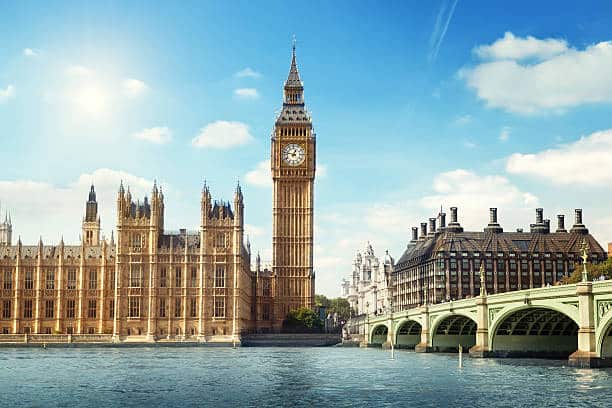
- Hostels: from £15–25/night for a dorm bed. YHA, Generator, and St Christopher’s hostels are well-reviewed chains with central locations
- Budget hotels: Travelodge, Premier Inn, and ibis offer reliable budget rooms from £50–80/night
- Airbnb: Private rooms from £30–60/night, often with kitchen access reducing food costs
- Outer zones: Staying in Zone 3–4 (e.g., Stratford, Walthamstow, Croydon) significantly reduces accommodation costs while remaining well-connected by Tube/Overground
Cheap Eating in London
Eating out in London can be expensive — but these options keep food costs manageable:
- Food markets: Borough Market (London Bridge), Brixton Market, and Broadway Market offer amazing food at reasonable prices. Sample dishes for £5–8
- Supermarket meal deals: Sainsbury’s, Tesco, and Boots all offer sandwich + snack + drink meal deals for approximately £3.50
- Pret A Manger / EAT: Chain cafés offer good quality sandwiches and hot food for £5–8
- Ethnic food areas: Brick Lane (Indian/Bangladeshi), Chinatown (Asian), Edgware Road (Middle Eastern) offer excellent value meals from £8–12
- Picnics in parks: Buy food from a supermarket and eat in Hyde Park or St James’s Park — practically free and often more enjoyable than restaurant dining in summer
Free & Low-Cost Entertainment
- Free walking tours: Many companies offer free walking tours of central London (tip-based). Check GetYourGuide or Viator for options
- Last-minute theatre tickets: Day-seat tickets and returns are sold at the TKTS booth in Leicester Square (half price). Many West End shows also release day seats online from £20–25
- Live music: Pub live music is often free throughout London. Jazz cafés, blues bars, and open mic nights happen nightly
- Changing of the Guard: Free to watch outside Buckingham Palace (check schedule for times)
Budget London Day Trips
From London, several excellent day trips are accessible by train without breaking the budget:
- Brighton: 50 minutes by train from Victoria (from £12 return with a railcard). Free beach, pier, and Royal Pavilion exterior
- Oxford: 1 hour from Paddington (from £15 return). Stroll through college grounds — many free to enter
- Windsor: 35 minutes from Waterloo (from £20 return). Windsor Great Park is free
Best Free Attractions in London
London is unique among world capitals in that most of its top museums and galleries are completely free. Here are the unmissable free attractions:
World-Class Free Museums
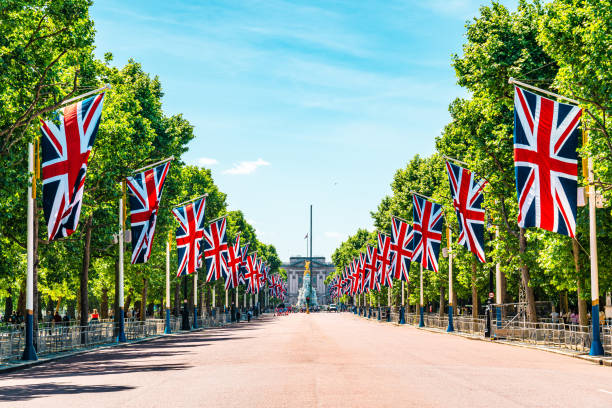
- British Museum — Home to the Rosetta Stone, Egyptian mummies, and the Parthenon sculptures. One of the most visited museums in the world, and entirely free.
- Natural History Museum — Stunning Victorian building housing dinosaur skeletons, a blue whale model, and extensive natural science collections. Special exhibitions may charge, but the permanent collection is free.
- Tate Modern — International modern and contemporary art in a converted power station on the South Bank. Free entry to all permanent collections.
- National Gallery — Over 2,300 paintings from the 13th to 20th centuries, including works by Van Gogh, Leonardo da Vinci, and Turner. Free entry, Trafalgar Square location.
- Science Museum — Interactive exhibits covering space, technology, medicine, and engineering. Perfect for families. Free entry.
- Victoria and Albert Museum (V&A) — The world’s largest museum of decorative arts and design. Free permanent collection spanning 5,000 years of creativity.
Free Parks and Gardens
London’s Royal Parks are magnificent free green spaces. Hyde Park, Regent’s Park, St James’s Park, and Kensington Gardens offer beautiful landscapes, wildlife, and people-watching opportunities. The Changing of the Guard at Buckingham Palace is another iconic free experience (check schedules as it does not happen daily).
Cheap Transport in London
Transport can be a major expense in London, but these strategies will keep costs down:
Contactless Payment
Use a contactless bank card or phone payment (Apple Pay, Google Pay) on all Transport for London services. Contactless has daily and weekly fare caps that automatically limit your spending — you will never pay more than the equivalent of a Day Travelcard (£8.10 for Zones 1–2).
Walk Where Possible
Central London is surprisingly compact. Walking from Covent Garden to the South Bank takes about 15 minutes across Waterloo Bridge, with stunning Thames views. The walk from Buckingham Palace through St James’s Park to Westminster takes 10 minutes. Many tourists overspend on short Tube journeys that would be a pleasant 10–15 minute walk.
Buses Are Cheaper Than the Tube
A single bus journey costs £1.75 (compared to £2.80+ on the Tube). Buses also give you a street-level view of the city. The number 11 bus route from Liverpool Street to Fulham passes many iconic landmarks including St Paul’s Cathedral, Trafalgar Square, and Westminster.
Eating Cheaply in London
London’s food scene is diverse and does not have to be expensive:
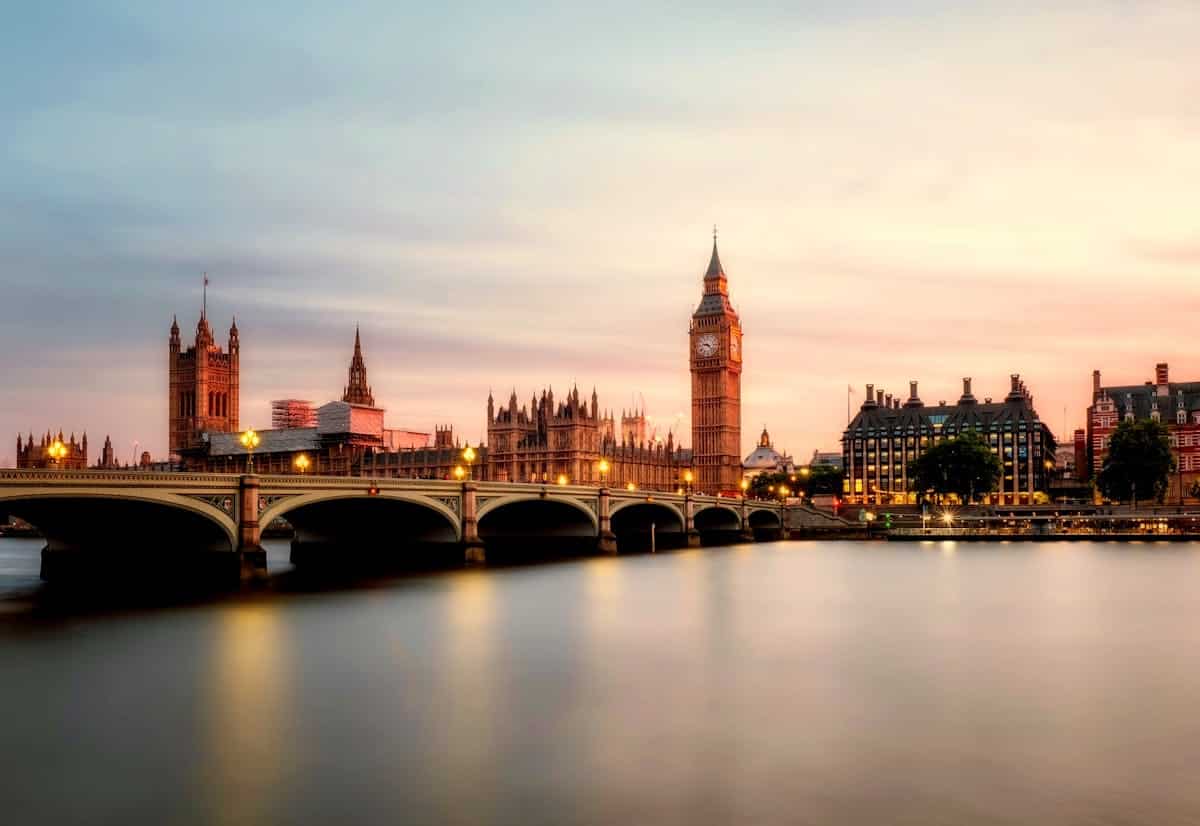
- Street food markets — Borough Market, Camden Market, and Brick Lane offer global cuisines from £5–8 per meal. These markets are experiences in themselves.
- Supermarket meal deals — Tesco, Sainsbury’s, and Boots offer meal deals (sandwich, drink, and snack) from £3.50–5. Available at locations throughout central London.
- Pub lunches — Many pubs serve affordable lunch specials, particularly on weekdays. A pie or fish and chips with a drink can cost £8–12.
- Chinatown — London’s Chinatown (near Leicester Square) has dozens of restaurants offering set menus from £8–10 per person. Look for the busiest restaurants — locals know which offer the best value.
- Pre-theatre menus — Restaurants in the West End offer discounted two or three-course menus before 6:30 PM, typically £15–25 per person for restaurant-quality dining.
Frequently Asked Questions
How much does a budget trip to London cost per day?
A realistic daily budget for London is £40–60/person covering accommodation in a hostel (£20), transport (£9 with Oyster cap), meals (£15–20 using market/supermarket options), and free attractions. For slightly more comfort (budget hotel, one paid attraction), budget £80–100/day.
Do I need cash in London?
Not really. London is one of the world’s most cashless cities. Contactless payment by card or phone is accepted almost everywhere including buses, markets, cafés, and street food. Having £20–30 in cash for emergencies is sensible but not required for daily spending.
Is the London Pass worth it for budget travellers?
The London Pass covers entry to 80+ attractions at a fixed price. It’s worth calculating based on the specific attractions you want to visit. For museum-focused visitors, it’s rarely worth it since most major museums are free. For those wanting to visit the Tower of London, Kensington Palace, and other paid attractions, it may provide savings.
Need a local SIM for cheap navigation? See our best UK SIM cards guide.
Flying in? Our London airports guide compares the cheapest transport options from each airport.
Check your ETA is confirmed before travelling — how to check your UK ETA status.
Visiting with elderly family? Our senior travellers guide has comfort tips on a budget.
Official Sources & References
- Visit Britain — London Destination Guide
- Transport for London — Fares and Payments
- UK Government — Electronic Travel Authorisation
- The Royal Parks — Free London Green Spaces
- The Royal Family — Royal Residences
Budget Accommodation Tips

Accommodation is typically the biggest expense in London. Here are smart strategies to reduce costs:
- Hostels — London has excellent hostels with dorm beds from £15–25 per night. YHA London Central and Generator Hostel are popular choices in central locations.
- Stay outside Zone 1 — Hotels in Zones 2–3 are significantly cheaper than central London, and the Tube makes commuting easy. Areas like Shoreditch, Brixton, and Hammersmith offer good value with quick connections.
- Book early — London hotel prices increase dramatically during peak season (June–August) and around major events. Booking 2–3 months ahead can save 30–50% on room rates.
- Consider apart-hotels — If staying more than 3 nights, apart-hotels with kitchens allow you to cook some meals, saving significantly on food costs. Weekly rates often include discounts.
Conclusion
London on a budget is absolutely achievable in 2026. With free world-class museums, affordable street food, capped contactless transport, and hostels in great locations, you can experience everything the city has to offer without breaking the bank. The UK ETA costs just £20 and is valid for two years, making it one of the most affordable entry requirements for any major travel destination. Plan ahead, use the tips in this guide, and enjoy London for less.
London on a budget in 2026 is not only possible — it can be one of the most rewarding travel experiences in Europe. Free world-class museums, beautiful parks, vibrant food markets, and excellent public transport make London an accessible destination for all budgets. Plan ahead, use your Oyster card wisely, and take advantage of London’s extraordinary free offerings.
Don’t forget to get your UK ETA before travelling — apply at VisaETA or the official GOV.UK ETA page. For accommodation ideas, see our London Travel Guide for ETA Holders 2026.


 English
  Arabic
  Bengali
  Bulgarian
  Catalan
  Chinese
  Croatian
  Czech
Czech  Danish
  Dutch
Dutch  Estonian
  Finnish
  French
  German
  Greek
Greek  Hebrew
  Hindi
Hindi  Hungarian
  Icelandic
  Indonesian
  Italian
  Japanese
  Korean
  Latvian
  Lithuanian
  Norwegian
  Polish
  Portuguese
  Romanian
  Slovak
  Spanish
  Vietnamese
  Malay
Malay  Slovenian
  Swedish
  Turkish