
London is one of the world’s most visited cities, attracting over 19 million international tourists each year. If you are planning to visit London in 2026, you will need a valid UK Electronic Travel Authorisation (ETA) before you arrive. This comprehensive travel guide combines everything you need to know about visiting London — from iconic landmarks and hidden gems to practical travel tips — with essential ETA information to ensure your trip goes smoothly.
Key Takeaways
- London is best explored by zone — Group attractions by area (Westminster, South Bank, The City) to save time and transport costs.
- Use contactless payment on public transport — Oyster cards or contactless bank cards are far cheaper than paper tickets, with daily fare caps.
- Book major attractions in advance — Popular sites like the Tower of London and London Eye offer online discounts and skip-the-line options.
- Many world-class museums are free — The British Museum, National Gallery, Tate Modern, and Natural History Museum all offer free entry.
- Check your UK ETA or visa before booking — Since 2025, most visitors need a UK ETA (£20) to enter the country.
Whether this is your first time in London or you are a returning visitor, this guide will help you plan an unforgettable trip to one of the most exciting capitals in the world.
Key fact: The United Kingdom welcomes over 40 million international visitors each year. From 2025, most visa-free visitors need an Electronic Travel Authorisation (ETA) costing £20 (Source: GOV.UK).
Before You Go: UK ETA Requirements for London
Since February 2026, all visa-exempt travellers must hold a valid UK ETA to enter the United Kingdom, including London. This applies to citizens of EU countries, the United States, Canada, Australia, Japan, and many other nations.

ETA Essentials for London Visitors
- Apply before travel — You must have an approved ETA before boarding your flight, train, or ferry. Apply through the official UK ETA app or online.
- Processing time — Most ETAs are approved within hours, but apply at least 72 hours before departure. See our guide on UK ETA processing times.
- Validity — Your ETA is valid for two years, allowing multiple visits of up to six months each.
- Cost — The ETA fee is affordable and covers two years of travel.
- Linked to passport — Your ETA is digitally linked to your passport. No need to print anything.
For a complete step-by-step guide, read our article on how to apply for UK ETA online in 2026.
Getting to London
By Air
London is served by six airports. Choosing the right one can save you time and money:
- Heathrow (LHR) — The UK’s largest airport, located 24km west of central London. Connected by the Elizabeth Line (30 minutes to central London), Heathrow Express (15 minutes to Paddington), and London Underground Piccadilly Line.
- Gatwick (LGW) — South of London, connected by Gatwick Express (30 minutes to Victoria) and Thameslink services.
- Stansted (STN) — Northeast of London, popular with budget airlines. Stansted Express runs to Liverpool Street (47 minutes).
- Luton (LTN) — North of London, connected by Thameslink trains via Luton Airport Parkway station.
- London City (LCY) — Closest to central London, mainly business flights. DLR connects to Bank station in 22 minutes.
- Southend (SEN) — The furthest from central London but served by direct trains to Liverpool Street.
By Eurostar
The Eurostar high-speed train connects London St Pancras International with Paris (2h15), Brussels (2h), and Amsterdam (3h45). You will need your UK ETA when travelling by Eurostar as passport and ETA checks occur before boarding. UK border controls take place at the departure station in continental Europe.
By Ferry
Ferry services connect the UK with France, Netherlands, Belgium, Spain, and Ireland. Major ports near London include Dover (1.5 hours from London by train) and Harwich. Your ETA is checked at the port before departure.
Getting Around London
The Oyster Card and Contactless Payment
The easiest way to pay for public transport in London is using a contactless bank card or smartphone. Simply tap in and tap out on buses, Tubes, trains, and trams. If you prefer, you can buy an Oyster card (a rechargeable smart card) from any Tube station. Both options offer the same fares and daily price caps.

The Underground (Tube)
London’s Underground network is the oldest in the world, with 11 lines covering 272 stations. Key tips for tourists:
- The Tube runs from approximately 5:00am to midnight (later on weekends on some lines via the Night Tube).
- Zone 1 covers central London — most tourist attractions are within Zones 1-2.
- Download the TfL Go app for real-time journey planning.
- Stand on the right on escalators and let people pass on the left.
London Buses
London’s iconic red double-decker buses are both a practical transport option and a sightseeing experience. Bus travel is cheaper than the Tube and offers a great way to see the city. Bus routes 9, 11, 15, and 24 pass many major landmarks.
River Services
Thames Clippers river buses provide a scenic way to travel along the Thames between Greenwich, Canary Wharf, the City, Westminster, and beyond. Oyster cards and contactless payments are accepted.
Top Attractions in London
Iconic Landmarks
- Buckingham Palace — The official residence of the British monarch. Watch the Changing of the Guard ceremony (usually at 11:00am on specific days). The State Rooms are open to visitors during summer.
- The Tower of London — A 1000-year-old fortress housing the Crown Jewels. Book tickets in advance to avoid queues.
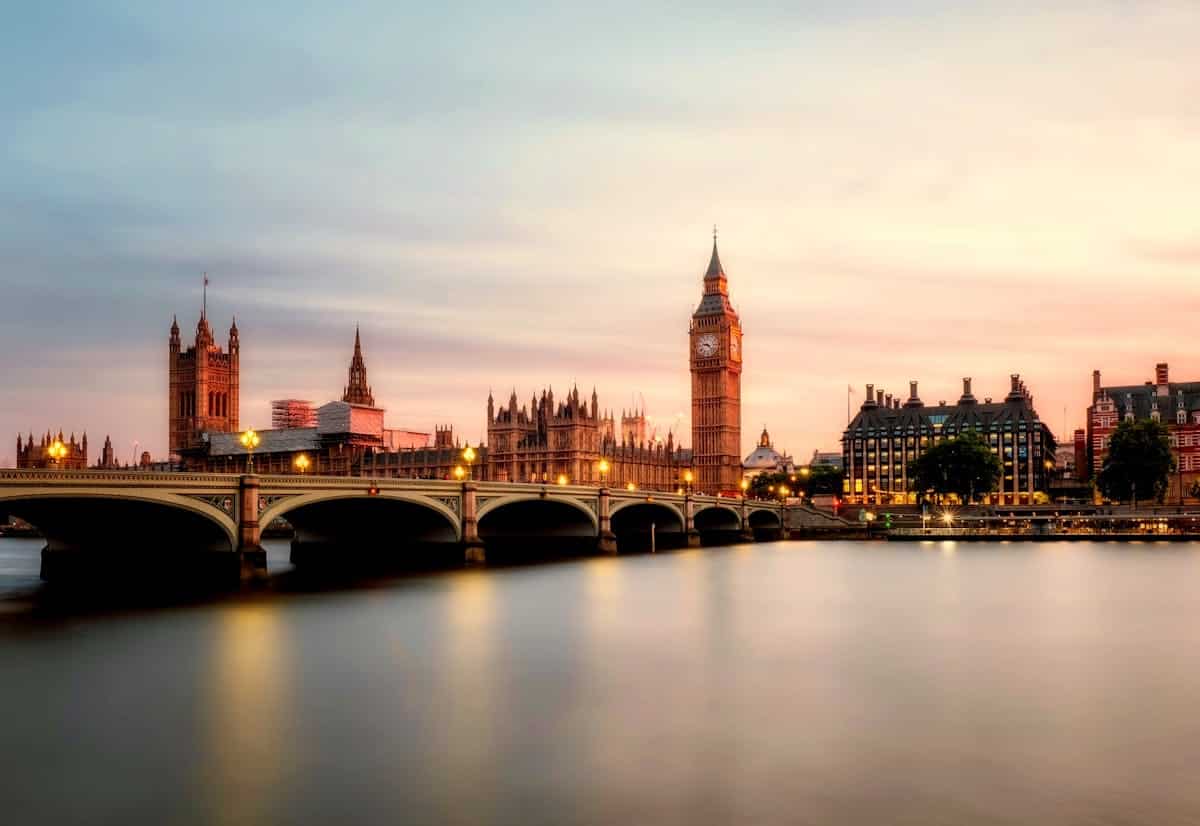
- Big Ben and the Houses of Parliament — The iconic clock tower and the seat of the UK Parliament on the Thames. UK and Commonwealth residents can arrange tours through their MP.
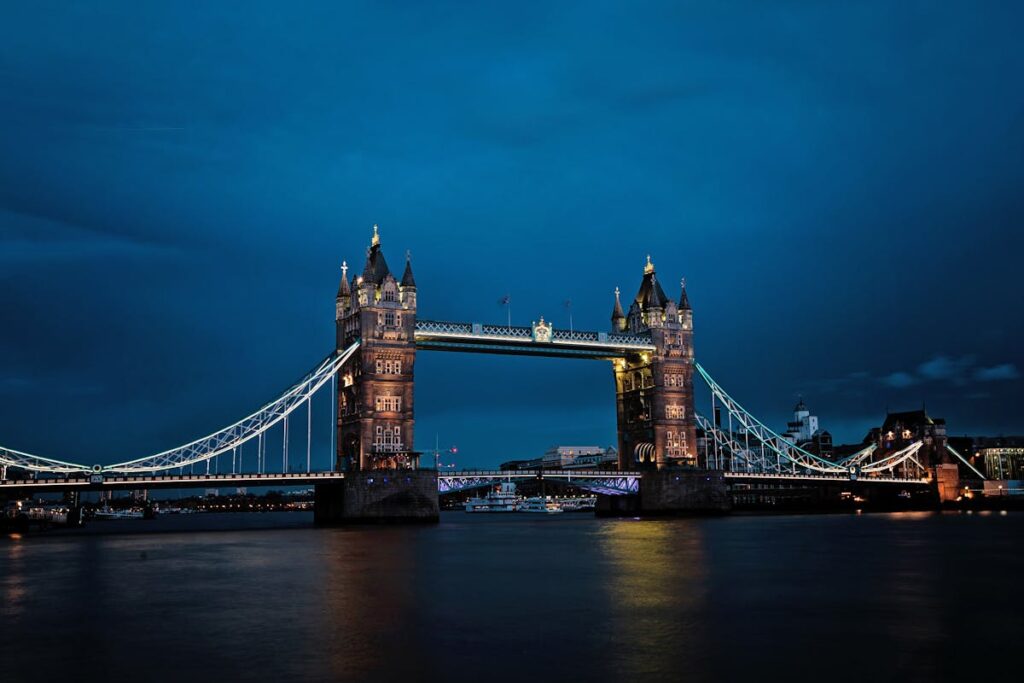
- Tower Bridge — One of London’s most recognisable landmarks. Visit the Tower Bridge Exhibition for glass floor walkways and Victorian engine rooms.
- Westminster Abbey — A Gothic masterpiece and the site of royal coronations for nearly 1000 years.
World-Class Museums (Free Entry)
One of London’s greatest advantages for tourists is that many of its best museums offer free admission:
- British Museum — Home to the Rosetta Stone, Parthenon Marbles, and collections spanning human history. Bloomsbury, WC1.
- Natural History Museum — Famous for its dinosaur gallery and the stunning Hintze Hall. South Kensington, SW7.
- Victoria and Albert Museum (V&A) — The world’s largest museum of decorative arts and design. South Kensington, SW7.
- Science Museum — Interactive exhibits covering space, technology, and medicine. South Kensington, SW7.
- Tate Modern — Contemporary and modern art in a converted power station on the South Bank. Free, except special exhibitions.
- National Gallery — Masterpieces by Van Gogh, Da Vinci, Monet, and Turner. Trafalgar Square, WC2.
Parks and Green Spaces
London is one of the greenest capital cities in the world. Must-visit parks include:
- Hyde Park — 350 acres of parkland with the Serpentine lake, Speaker’s Corner, and the Diana Memorial Fountain.
- Regent’s Park — Beautiful formal gardens and home to London Zoo.
- Greenwich Park — Home to the Royal Observatory and the Prime Meridian line (0 degrees longitude).
- Kew Gardens — A UNESCO World Heritage Site with the world’s largest collection of living plants.
London Neighbourhoods Worth Exploring
Covent Garden
A vibrant area known for street performers, the Royal Opera House, independent shops, and excellent restaurants. The covered market building is perfect for browsing crafts and enjoying live entertainment.
Camden Town
Famous for Camden Market, one of London’s most eclectic markets offering street food, vintage clothing, and unique crafts. The area around Camden Lock along Regent’s Canal is particularly atmospheric.
Shoreditch and Brick Lane
East London’s creative heart, known for street art, curry houses on Brick Lane, vintage markets on Sundays, and a thriving nightlife scene.
Notting Hill
Colourful houses, the famous Portobello Road Market (best on Saturdays), and charming bookshops and cafes. Made world-famous by the 1999 film of the same name.
South Bank
Walk along the Thames between Westminster Bridge and Tower Bridge, passing the London Eye, Tate Modern, Shakespeare’s Globe, Borough Market, and numerous street performers and food vendors.
Practical Tips for London Visitors
Money and Tipping
The UK uses the British Pound Sterling (GBP/£). Contactless payments are accepted almost everywhere in London. Tipping is appreciated but not mandatory — 10-12.5% in restaurants is standard. Many restaurants add an optional service charge to the bill.
Weather and What to Pack
London’s weather is famously unpredictable. Pack layers and always carry a light waterproof jacket or umbrella, even in summer. Average temperatures range from 2-7°C in winter to 15-25°C in summer.
Safety
London is generally very safe for tourists. Standard precautions apply: be aware of pickpockets in crowded tourist areas, keep valuables secure, and stay aware of your surroundings in busy stations.
SIM Cards and Internet
Purchase a UK SIM card at the airport or from shops like Carphone Warehouse, Three, EE, or Vodafone. Most offer tourist SIM packages with data, calls, and texts. Free WiFi is available in most cafes, restaurants, and on parts of the London Underground.
Emergency Numbers
In an emergency, dial 999 (or 112) for police, ambulance, or fire services. For non-emergency police matters, dial 101. NHS medical advice is available by dialling 111.
Best Time to Visit London
London is a year-round destination, but each season offers something different:

- Spring (March-May) — Mild weather, blooming parks, and fewer crowds than summer. Great for sightseeing.
- Summer (June-August) — Longest days, outdoor festivals, and warm weather. Peak tourist season with higher prices and longer queues.
- Autumn (September-November) — Beautiful autumn colours in the parks, pleasant temperatures, and the start of theatre season.
- Winter (December-February) — Christmas markets, ice skating at Somerset House and the Natural History Museum, and the spectacular New Year’s Eve fireworks on the Thames.
Day Trips from London
London’s excellent rail connections make it easy to explore beyond the capital. Popular day trips include:
- Stonehenge and Bath — Visit the mysterious prehistoric stone circle and the elegant Georgian city of Bath with its Roman Baths. Trains to Bath Spa take 1.5 hours from Paddington.
- Oxford — The city of dreaming spires, home to the world’s oldest English-speaking university. Direct trains from Paddington take about 1 hour.
- Cambridge — Punting on the River Cam and exploring the historic colleges. Trains from King’s Cross take approximately 50 minutes.
- Windsor Castle — The oldest and largest occupied castle in the world, and the official residence of the King. Just 30 minutes by train from Paddington.
- Brighton — A vibrant seaside city with the famous Royal Pavilion, quirky shops in The Lanes, and a lively pier. One hour from Victoria or London Bridge.
- Canterbury — Home to the historic Canterbury Cathedral and charming medieval streets. High-speed trains from St Pancras take under one hour.
All these destinations are within your UK ETA coverage — your ETA allows you to travel freely throughout England, Scotland, Wales, and Northern Ireland during your visit.
London on a Budget
Visiting London does not have to break the bank. Here are top money-saving tips:
- Free museums — The British Museum, National Gallery, Tate Modern, Natural History Museum, Science Museum, and V&A all offer free general admission.
- Free walking tours — Tip-based walking tours cover most major areas and provide excellent local insight.
- Markets for food — Borough Market, Camden Market, and Brick Lane offer affordable and delicious street food.
- Off-peak travel — Travel after 9:30am on weekdays for cheaper Tube fares.
- London Pass — If you plan to visit multiple paid attractions, the London Pass can offer significant savings.
- Theatre tickets — The TKTS booth in Leicester Square sells discounted same-day theatre tickets for West End shows.
- Free events — Check Time Out London for free festivals, exhibitions, and events happening during your visit.
Official Sources & References

- Visit Britain — London Destination Guide
- UK Government — Apply for a UK ETA
- Transport for London — Fares and Payment
- The Royal Household — Visit Royal Residences
- UK Government — UK Border Force Information
Frequently Asked Questions
Do I need a UK ETA to visit London?
Yes. Since February 2026, all visa-exempt travellers need a valid UK ETA to enter the United Kingdom, including London. Apply online or through the official UK ETA app before your trip.
How many days should I spend in London?
A minimum of 3-4 days allows you to see the major attractions. A week gives you time to explore neighbourhoods, day trips, and hidden gems. Two weeks lets you truly immerse yourself in London’s culture.
Is London expensive?
London can be expensive, but there are many ways to save. Free museums, affordable street food at markets like Borough Market and Camden, and the daily cap on transport costs help manage your budget. Accommodation outside Zone 1 is significantly cheaper.
Can I use Euros in London?
No. London uses British Pounds (£). Some tourist areas may accept Euros at poor exchange rates, but this is not recommended. Use a contactless card with no foreign transaction fees, or withdraw pounds from ATMs.
Is London safe for solo travellers?
Yes. London is one of the safest major cities in the world for solo travellers. The public transport system runs until late, and most areas are well-lit and populated. Standard travel safety precautions are sufficient.
Conclusion
London offers an extraordinary experience for every type of traveller — from history enthusiasts and art lovers to foodies and shoppers. With your UK ETA approved and a plan in hand, you are ready to explore one of the world’s greatest cities. Remember to apply for your ETA well before your trip, check the official UK Government ETA page for the latest requirements, and visit VisitBritain for additional travel inspiration.
For answers to common questions about travelling to the UK, bookmark our comprehensive UK ETA FAQ page.

 English
  Arabic
  Bengali
  Bulgarian
  Catalan
  Chinese
  Croatian
  Czech
Czech  Danish
  Dutch
Dutch  Estonian
  Finnish
  French
  German
  Greek
Greek  Hebrew
  Hindi
Hindi  Hungarian
  Icelandic
  Indonesian
  Italian
  Japanese
  Korean
  Latvian
  Lithuanian
  Norwegian
  Polish
  Portuguese
  Romanian
  Slovak
  Spanish
  Vietnamese
  Malay
Malay  Slovenian
  Swedish
  Turkish