
Navigating public transport in a foreign country can be daunting, but the United Kingdom has one of the most extensive and well-connected transport networks in the world. From London’s iconic Underground to Scotland’s scenic rail routes, understanding UK public transport is essential for making the most of your visit in 2026.
Key Takeaways
- Contactless payment works everywhere — Use your bank card or phone on the Tube, buses, and trains across the UK for automatic fare capping.
- Railcards save up to one third on train fares — International visitors can buy a 16-25 or Two Together Railcard for significant savings on intercity travel.
- Buses are the cheapest option outside London — National Express and Megabus offer intercity journeys from just a few pounds when booked in advance.
- Download transport apps before arriving — Trainline, Citymapper, and Google Maps are essential for navigating UK public transport in real time.
- Off-peak travel saves money — Travelling outside rush hours (before 9:30am or after 4pm) on trains can cut fares by 50% or more.
This guide covers everything international tourists need to know about getting around the UK by train, bus, tram, and ferry — including how to save money, which apps to download, and practical tips that will make your journey smoother.
Key fact: The United Kingdom welcomes over 40 million international visitors each year. From 2025, most visa-free visitors need an Electronic Travel Authorisation (ETA) costing £20 (Source: GOV.UK).
Before You Travel: ETA and Transport Links
Before exploring the UK’s transport system, ensure you have a valid UK ETA. Your ETA is checked at the UK border — which includes airports, Eurostar terminals, and ferry ports. Once in the UK, you are free to travel anywhere within England, Scotland, Wales, and Northern Ireland without additional permits.
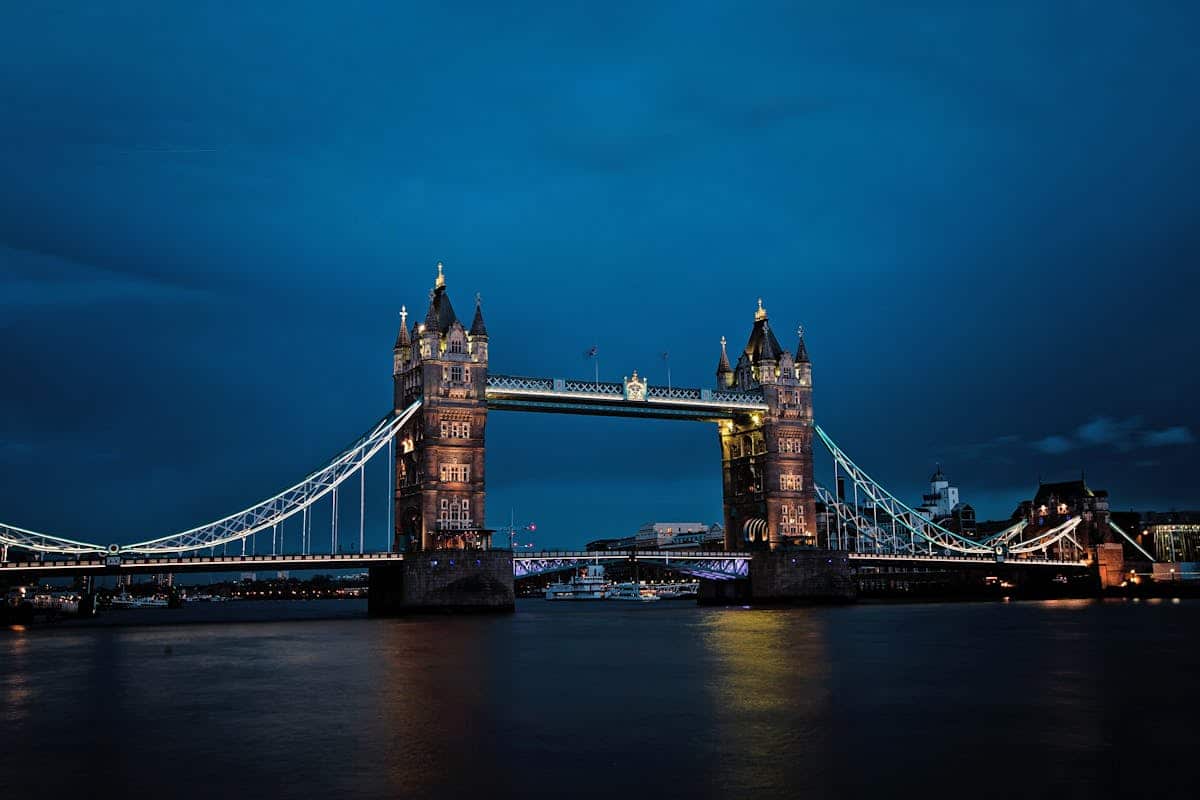
Apply for your ETA through the official UK ETA app before your trip. For details on requirements and costs, visit our complete ETA application guide.
Trains: The Backbone of UK Transport
National Rail Network
The UK’s rail network connects virtually every major city and town. Key routes for tourists include:
- London to Edinburgh — LNER East Coast services (4.5 hours), one of Britain’s most scenic routes.
- London to Manchester — Avanti West Coast (2 hours 10 minutes).
- London to Bath/Bristol — GWR services (1.5 hours to Bath).
- London to York — LNER (1 hour 50 minutes), gateway to North Yorkshire and the Moors.
- London to Canterbury — Southeastern high-speed (under 1 hour).
- Edinburgh to the Highlands — ScotRail services to Inverness and Fort William.
Booking and Saving Money on Trains
UK train fares can vary dramatically depending on when and how you book. Here are the key tips:
- Book in advance — Advance tickets can be 50-70% cheaper than buying on the day. Book through Trainline, National Rail, or individual train operator websites.
- Off-peak travel — Travelling outside peak hours (before 9:30am and after 6:30pm on weekdays) is significantly cheaper.
- BritRail Pass — Available exclusively to non-UK residents, BritRail passes offer unlimited train travel across England, Scotland, and Wales for a set number of days. This can be excellent value for tourists planning extensive rail travel.
- Railcards — Various railcards offer a third off most fares (16-25, 26-30, Two Together, Senior, Family & Friends). Digital railcards can be added to a smartphone.
- Split ticketing — Sometimes buying tickets for individual legs of a journey is cheaper than a through ticket. Apps like Trainline and Trainsplit can identify these savings automatically.
Essential Train Apps
- Trainline — Best overall app for booking tickets and checking live departure times.
- National Rail Enquiries — Official journey planner with real-time information.
- Citymapper — Excellent for multi-modal journeys in London and other major cities.
London’s Transport Network
London has the most comprehensive urban transport system in the UK. Here is what you need to know:
The Underground (Tube)
London’s Tube is the fastest way to get around central London, with 11 lines serving 272 stations across 6 fare zones. Key facts for tourists:

- Operating hours: approximately 5:00am to midnight (Night Tube on Fridays and Saturdays on selected lines).
- Most tourist attractions are in Zones 1-2.
- The daily cap ensures you never pay more than a set amount, regardless of how many journeys you make.
Elizabeth Line (Crossrail)
The newest addition to London’s network, the Elizabeth Line runs from Heathrow and Reading in the west through central London to Shenfield and Abbey Wood in the east. It is the fastest way from Heathrow Airport to central London (about 30 minutes to Paddington).
London Buses
London’s extensive bus network covers every corner of the city. Buses are cheaper than the Tube and offer a great way to see the city above ground. Cash is not accepted on London buses — use a contactless payment card or Oyster card.
Payment Methods
The easiest way to pay for London transport is with a contactless bank card (Visa, Mastercard, Amex) or a smartphone with Apple Pay, Google Pay, or Samsung Pay. Simply tap in at the start and tap out at the end of your journey. The system automatically applies the best fare and daily/weekly caps.
Alternatively, purchase an Oyster card from any Tube station for a refundable deposit. Both payment methods offer the same fares.
Buses Outside London
Bus services outside London are operated by regional companies. Key information for tourists:
- National Express — Long-distance coach services connecting major cities. Often the cheapest way to travel between cities, especially when booked in advance.
- Megabus — Budget long-distance services with fares starting from just £1 if booked early enough.
- Local buses — Each region has its own bus operators. Day tickets or weekly passes usually offer the best value for exploring a specific area.
City-Specific Bus Systems
Several UK cities have excellent integrated bus networks worth knowing about:
- Manchester — The Bee Network is creating a London-style integrated transport system with contactless payments across all operators.
- Edinburgh — Lothian Buses provides excellent coverage of Edinburgh and surrounding areas. Day tickets are good value for sightseeing.
- Oxford and Cambridge — Park and Ride services are the recommended way to access these historic city centres.
Trams and Light Rail
Several UK cities operate modern tram or light rail systems that are convenient for tourists:
- Manchester Metrolink — The UK’s largest tram network connecting the city centre with surrounding areas including MediaCityUK and Manchester Airport.
- Edinburgh Trams — Connecting Edinburgh Airport with the city centre and Newhaven. Excellent for airport transfers.
- Nottingham Express Transit (NET) — Award-winning tram system covering Nottingham and surrounding areas.
- Sheffield Supertram — Convenient for getting around Sheffield.
- Docklands Light Railway (DLR) — London’s automated light rail system serving Docklands, Greenwich, and London City Airport.
Ferries and Water Transport
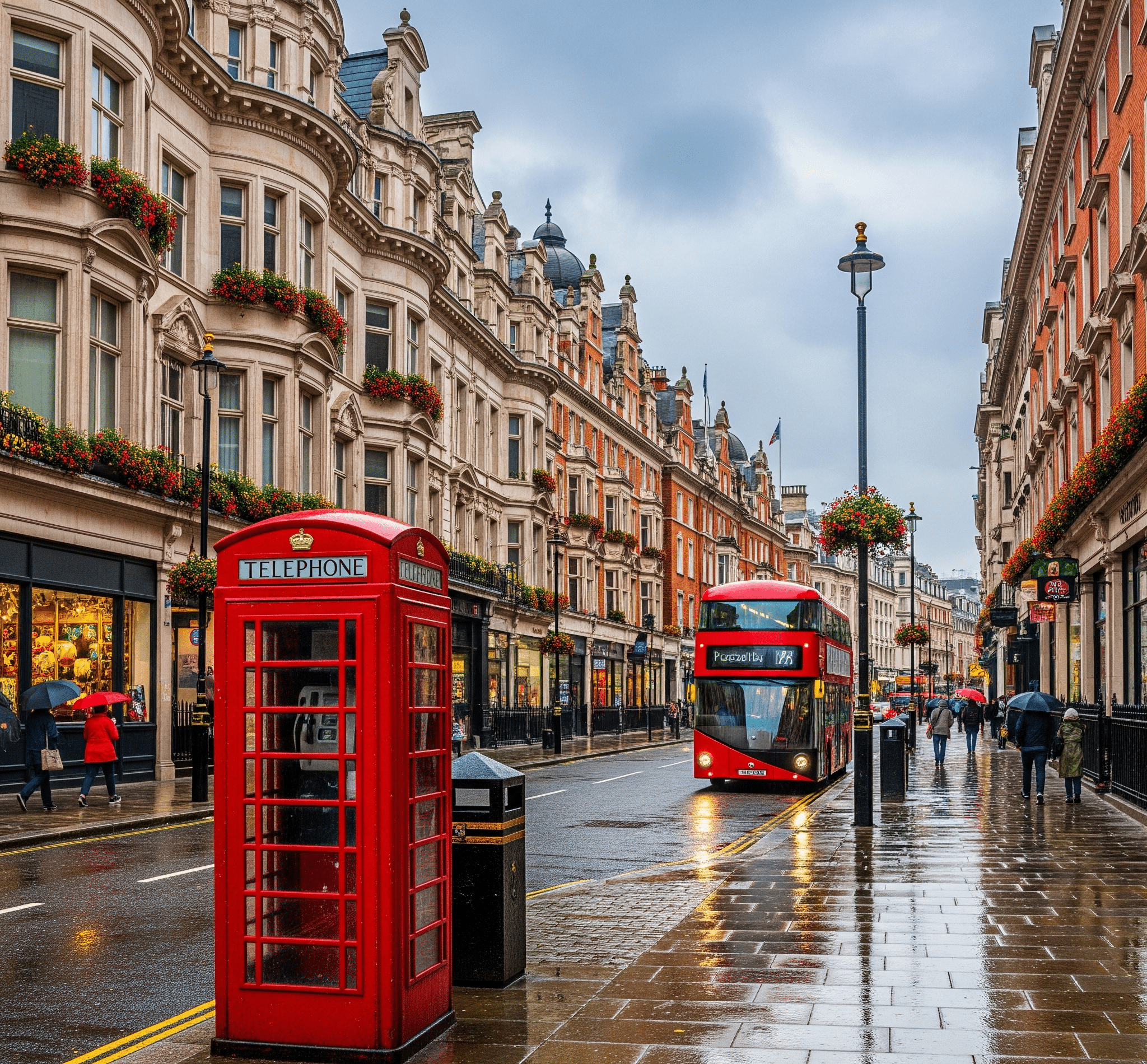
The UK is an island nation, and ferries play an important role in its transport network:
- Scottish ferries (CalMac) — Essential for visiting Scotland’s islands including Skye, Mull, and the Outer Hebrides.
- Northern Ireland ferries — Services between mainland Great Britain and Northern Ireland (Liverpool to Belfast, Cairnryan to Belfast/Larne).
- Isle of Wight ferries — Regular services from Portsmouth and Southampton.
- Thames Clippers (London) — River bus services along the Thames, accepted on Oyster and contactless.
Driving in the UK
While public transport is excellent for most tourist needs, some visitors prefer to rent a car for exploring rural areas. Key reminders for international visitors:
- Drive on the left — The UK drives on the left side of the road, with the steering wheel on the right side of the vehicle.
- International driving permit — Some nationalities need an International Driving Permit (IDP) in addition to their home country licence.
- Congestion and ULEZ charges — Driving in central London incurs a daily Congestion Charge (£15) and potentially an Ultra Low Emission Zone (ULEZ) charge (£12.50).
- Parking — City centre parking is expensive and often limited. Use Park and Ride services where available.
Essential Apps for UK Transport
Download these apps before your trip to make navigating UK transport effortless:
| App | Best For | Platforms |
|---|---|---|
| Trainline | Booking train tickets nationwide | iOS, Android |
| Citymapper | Multi-modal journey planning (London, Manchester, Birmingham) | iOS, Android |
| TfL Go | London transport specifically | iOS, Android |
| Google Maps | General navigation and walking directions | iOS, Android |
| National Express | Booking coach travel between cities | iOS, Android |
| Uber | Ride-hailing in major cities | iOS, Android |
Accessibility on UK Transport
The UK has made significant progress in making public transport accessible for passengers with disabilities:
- All London buses are wheelchair accessible with low-floor boarding and designated wheelchair spaces.
- Most major train stations have step-free access, lifts, and tactile paving. Check the station accessibility information on National Rail before travelling.
- The Turn Up and Go scheme allows wheelchair users to arrive at any accessible station without booking assistance in advance.
- All black cabs in London are wheelchair accessible.
Scenic Railway Journeys for Tourists

Some of Britain’s railway routes are world-famous for their stunning scenery. If you enjoy train travel, consider adding one or more of these routes to your itinerary:
- The West Highland Line (Glasgow to Mallaig) — Often voted the most scenic rail journey in the world. The route crosses the Glenfinnan Viaduct (famous from the Harry Potter films) and passes through some of Scotland’s most dramatic Highland landscapes. The journey takes approximately 5.5 hours.
- Settle-Carlisle Railway — A 73-mile route through the Yorkshire Dales and Eden Valley, crossing the iconic Ribblehead Viaduct. The journey takes about 1 hour 40 minutes.
- Heart of Wales Line — A rural route from Shrewsbury to Swansea through rolling Welsh countryside, crossing Victorian viaducts and passing through quiet market towns. The full journey takes about 4 hours.
- North Wales Coast Line — Running along the spectacular Welsh coastline from Chester to Holyhead, with views of Snowdonia National Park and the Menai Strait.
- Cornish Main Line — From Exeter to Penzance along the Devon and Cornwall coastline, including the famous stretch along the sea wall at Dawlish. Allow about 5 hours for the full journey.
These routes can all be travelled using standard National Rail tickets or a BritRail Pass. For the best experience, try to sit on the side of the train with the best views — railway enthusiast forums and websites can advise on which side to choose for each route.
Transport Etiquette in the UK
Understanding British transport etiquette will help you blend in and avoid awkward situations:
- Queue properly — The British take queuing seriously. Always join the back of the queue at bus stops, ticket offices, and boarding points. Pushing in is considered extremely rude.
- Stand on the right on escalators — In London Tube stations, always stand on the right side of escalators to allow people to walk past on the left. This is a firm unwritten rule.
- Let people off first — On trains, buses, and the Tube, always let passengers exit before boarding.
- Keep noise levels down — Avoid loud phone calls or music on public transport. Many trains have designated quiet coaches where mobile phone calls and loud music are not permitted.
- Priority seating — Always offer your seat to elderly passengers, pregnant women, and people with disabilities. Priority seats near the doors are clearly marked.
- No eating on the Tube — While not officially banned, eating hot food on the London Underground is frowned upon. Drinking water is fine.
- Thank the bus driver — In many parts of the UK, it is customary to say thank you to the bus driver when getting off. This is especially common outside London.
Official Sources & References

- Transport for London — Official TfL Website
- National Rail — Train Times and Tickets
- UK Government — UK ETA Application
- Visit Britain — Getting Around Britain
- UK Government — UK Border Force
Frequently Asked Questions
What is the cheapest way to travel around the UK?
Long-distance coaches (National Express and Megabus) are typically the cheapest option for city-to-city travel. Within cities, buses are usually cheaper than trains or metro systems. Advance train bookings can also offer significant savings.
Can I use contactless payment on all UK transport?
Contactless payment is widely accepted across London’s entire transport network and is increasingly available in other cities. However, some regional bus services and rural trains may require cash or pre-purchased tickets. Always have a backup payment method available.
Is the BritRail Pass worth it?
If you plan to take three or more long-distance train journeys, a BritRail Pass almost certainly offers savings compared to individual tickets. It also provides the flexibility to hop on any train without advance booking. Calculate the cost of your planned journeys against the pass price to decide.
Do I need my passport for internal UK travel?
No. Your UK ETA is checked at the UK border on arrival. Once inside the country, you do not need your passport for domestic train, bus, or ferry travel. However, carrying photo ID is always recommended.
How late does public transport run?
In London, the Tube runs until approximately midnight (later on weekends via Night Tube), and night buses provide 24-hour coverage. Outside London, last services typically run between 11:00pm and midnight. Check specific timetables for the city you are visiting.
Conclusion
The UK’s public transport network is extensive, affordable (with the right tickets), and well-connected. Whether you are exploring London’s famous Underground, taking scenic rail journeys through the countryside, or island-hopping in Scotland, public transport is the best way to experience the United Kingdom as a tourist.
Remember to apply for your UK ETA before your trip, check the official UK Government ETA page for the latest entry requirements, and visit VisitBritain for travel inspiration and practical tourist information.


 English
  Arabic
  Bengali
  Bulgarian
  Catalan
  Chinese
  Croatian
  Czech
Czech  Danish
  Dutch
Dutch  Estonian
  Finnish
  French
  German
  Greek
Greek  Hebrew
  Hindi
Hindi  Hungarian
  Icelandic
  Indonesian
  Italian
  Japanese
  Korean
  Latvian
  Lithuanian
  Norwegian
  Polish
  Portuguese
  Romanian
  Slovak
  Spanish
  Vietnamese
  Malay
Malay  Slovenian
  Swedish
  Turkish