
Getting around London is easier and cheaper than most first-time visitors expect, thanks to one of the world’s best-integrated public transport networks. Once you understand contactless fares, the daily cap and the difference between the Tube, buses and rail, you can move across the city for a few pounds a day. This guide explains exactly how.
TL;DR: The simplest way of getting around London in 2026 is to tap a contactless bank card or phone on every Tube, bus, tram and most rail journeys. Fares are capped at £8.90 a day in Zones 1–2, buses cost £1.75 per trip, and you never need to buy a paper ticket or top up an Oyster card.
| Mode | Typical fare (2026) | Best for |
|---|---|---|
| Underground (Tube) | From £2.80 (Zone 1) | Fast cross-city trips |
| Bus / tram | £1.75 flat fare | Short hops, scenic routes |
| Elizabeth line | Contactless, capped | Airport and east–west links |
| Daily cap (Zones 1–2) | £8.90 | Unlimited travel after the cap |
Before you arrive, make sure your entry permit is sorted: most visitors need a UK ETA, and you can read how to apply online in minutes.
Paying for transport: contactless beats everything
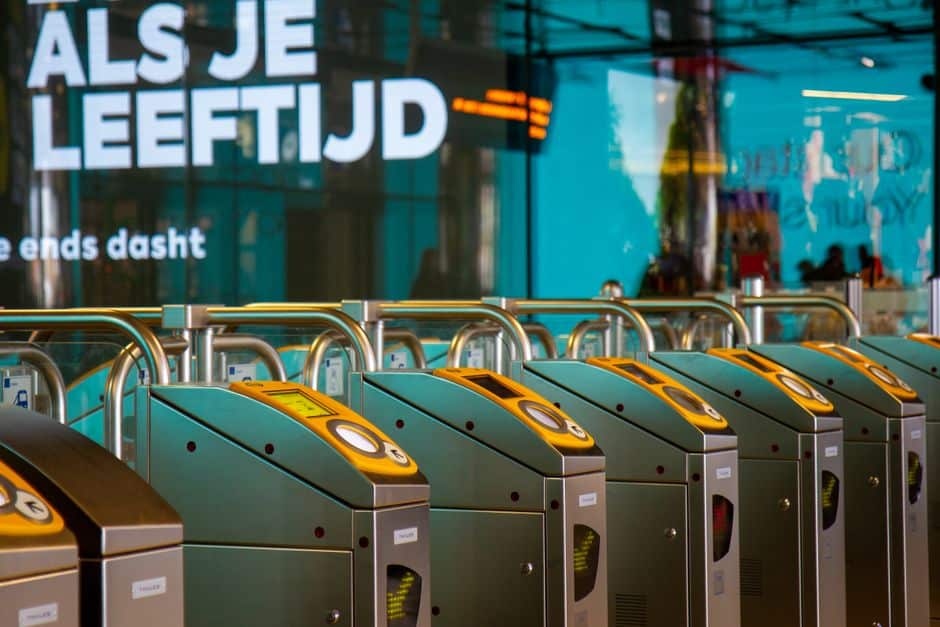
You do not need an Oyster card in 2026. A contactless debit or credit card, or a phone with Apple Pay or Google Pay, gives you exactly the same fares and the same daily and weekly caps. Simply tap in at the start of every Tube or rail journey and tap out at the end; on buses and trams you only tap in. The system charges you the cheapest combination automatically once you hit the cap.
Official, up-to-date fares and a journey planner are published by Transport for London. If you prefer not to use a foreign card abroad, a UK SIM and mobile wallet can help — see our prepaid SIM guide.
Pro tip: Use the same card for the whole trip. Switching between a phone and a physical card mid-journey can split your fares so you miss the daily cap and pay more.
The Underground, buses and the Elizabeth line
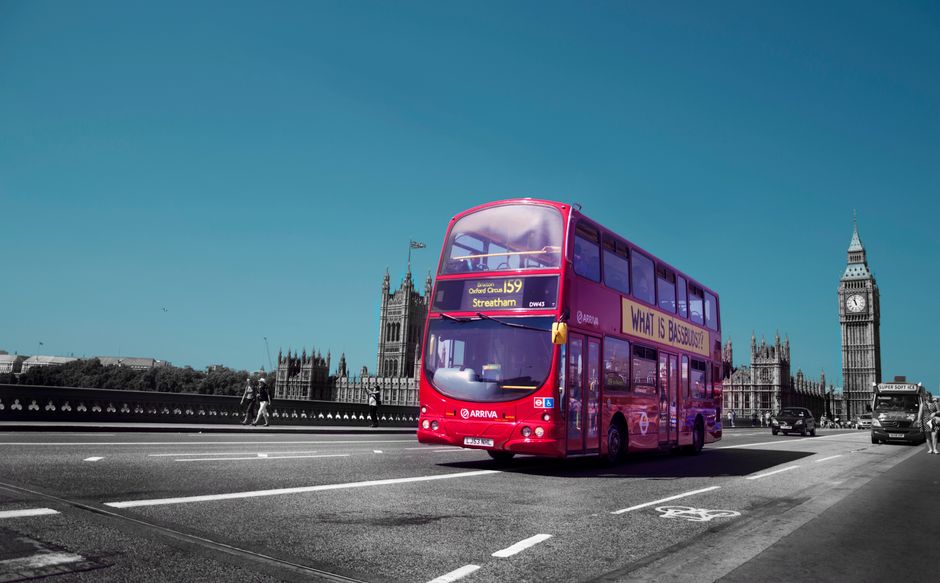
The Underground — the Tube — is the backbone of the network, with eleven colour-coded lines reaching almost every corner of the city. Trains run roughly 05:00 to midnight, with the Night Tube on several lines at weekends. Buses are slower but cheaper at a flat £1.75, and the famous double-deckers are a sightseeing trip in themselves. The Elizabeth line, opened in recent years, now links Heathrow and the western suburbs to the City, Canary Wharf and the east at high speed.
For arrivals, our London airports guide explains which rail link suits each airport. Once you are settled, the network makes day trips simple — see the best UK cities beyond London and our essential tips for visitors.
It helps to understand how London’s fare zones work, because they decide the price of every journey. The network spreads outward from Zone 1 in the centre to Zone 9 on the fringes, and your fare rises with the number of zones you cross. Most visitors spend their time in Zones 1 and 2, where almost all the famous sights sit, so the £8.90 daily cap usually covers everything you need. If you stay further out to save on hotels, factor the higher transport cost into your budget. Trains within London and to the suburbs are part of the same contactless system, so a single tap-in works whether you board the Tube, the Overground, the Elizabeth line or a National Rail service inside the zones.
Frequency is another London strength. In the centre, Tube trains arrive every two to three minutes at peak times, so there is rarely any need to check a timetable — you simply turn up and go. Live service information, including any line closures, is shown on station boards and in the official app, which is worth downloading before you arrive. Outside the rush hours services are still frequent, typically every four to seven minutes, so even off-peak travel rarely involves a long wait on the platform. Stations are well signposted, and colour-coded line maps make changing trains straightforward even for first-time visitors who do not know the network. If a line is part-closed for engineering works, clearly marked rail-replacement buses or alternative routes are always provided, so you are never left without a way to reach your destination.
| Journey | Best mode | Approx time |
|---|---|---|
| Heathrow to central London | Elizabeth line | 35–45 min |
| King’s Cross to Tower of London | Underground | 20 min |
| South Bank sightseeing | Walking / bus | Flexible |
| Gatwick to central London | Gatwick Express / rail | 30–40 min |
How to plan a London journey step by step
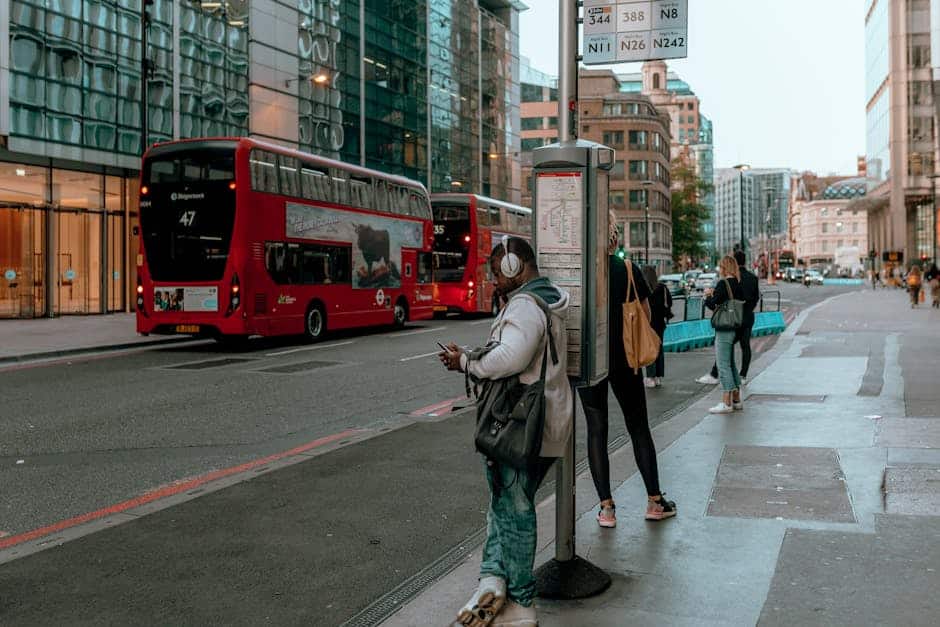
- Set your contactless card or phone wallet before you fly so it is ready to tap on arrival.
- Plan the route with the official TfL journey planner or a maps app, checking for any weekend engineering works.
- Tap in at the yellow reader on the Tube, rail or bus; remember to tap out on the Tube and rail so you are charged correctly.
- Let the daily cap protect you — once you reach £8.90 in Zones 1–2, further travel that day is effectively free.
- Walk the short hops. Many central stations are only a few minutes apart on foot, which is often faster than changing lines.
Planning the wider trip too? Our 10-day UK itinerary shows how to weave London transport into a longer route.
Taxis, cycling and walking
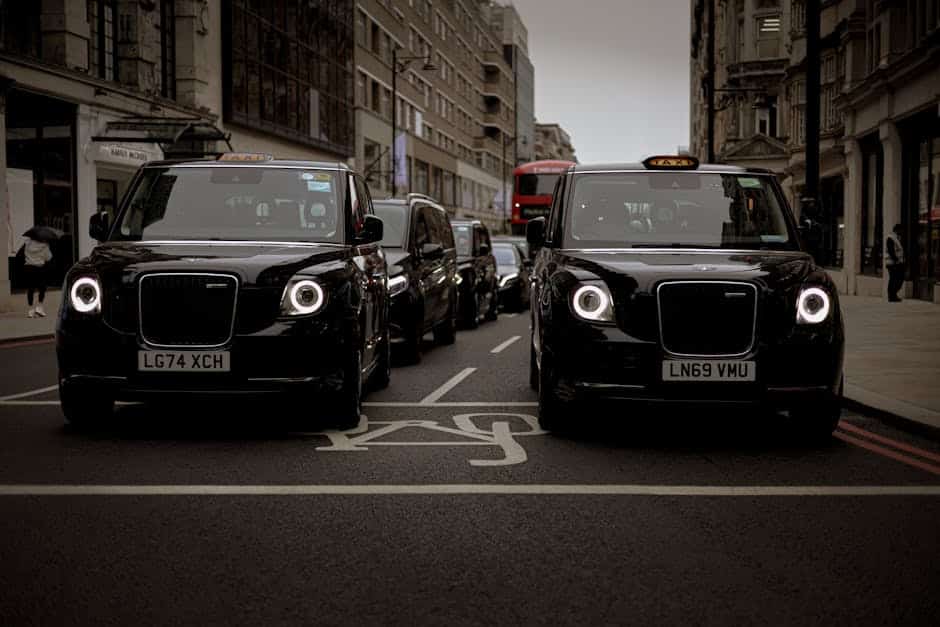
London’s black cabs are licensed, metered and can be hailed in the street or booked through an app; private-hire apps are widely used too. Black cabs are convenient for late nights or when you have luggage, though they cost far more than the Tube, so most visitors keep them for occasional use rather than daily travel. Cycle-hire docking stations are dotted across the centre, and dedicated cycle superhighways make two wheels a realistic option for confident riders; you unlock a bike through an app and return it to any docking station. Above all, London is a walking city — the centre is compact, and strolling between sights along the Thames is one of the best ways to experience it. Routes such as the South Bank, the parks and the historic streets of Westminster reveal far more on foot than from underground. For ideas on what to walk to, browse places to visit in England and the top attractions in the UK. National rail journeys beyond the city can be planned via VisitBritain.
- Mind the gap and stand on the right: on Tube escalators, the left side is for walking.
- Avoid peak fares where you can: travelling after 09:30 is cheaper on some rail routes.
- Keep your passport handy on arrival day: see our border control guide for what to expect.
Frequently Asked Questions
What is the cheapest way of getting around London?
Tapping a contactless card or phone is the cheapest and simplest option. It gives you the same fares as an Oyster card, plus an automatic daily cap of £8.90 in Zones 1–2, so you never overpay no matter how many journeys you make.
Do I still need an Oyster card in 2026?
No. Contactless bank cards and mobile wallets have fully replaced the need for a visitor Oyster card. You get identical pricing and the same caps, with no deposit and nothing to top up.
How much does the London Underground cost?
A single Zone 1 Tube journey starts at around £2.80 with contactless, rising with the number of zones you cross. Once your day’s travel reaches the £8.90 cap in Zones 1–2, any further journeys are free.
Is the Tube or the bus better for tourists?
The Tube is faster for crossing the city, while buses are cheaper at £1.75 and let you see the streets above ground. Many visitors use the Tube for long hops and buses or walking for short, scenic trips. Buses are also a good fallback when a Tube line is closed for weekend engineering work, and a single bus fare lets you change to another bus free within an hour using the same card.
How do I get from Heathrow to central London?
The Elizabeth line is the most convenient option, reaching central London in around 35–45 minutes with contactless payment. The faster Heathrow Express also runs to Paddington. See our London airports guide for a full comparison.
Can I use the same UK ETA to travel beyond London?
Yes. Your UK ETA covers the whole of the UK, so you can take the train to other cities or regions on the same permit without any extra travel authorisation.
Is it safe to use public transport in London at night?
London’s transport is generally safe at night, with CCTV, staff and the Night Tube at weekends. Use the same common-sense caution you would in any large city. Our visitor tips cover staying safe and saving money.
Is there one ticket that covers all London transport for a day?
Contactless payment effectively acts as your all-in-one ticket. There is no need to buy a separate day pass, because the system automatically caps your spending once you reach the daily limit across the Tube, buses, trams, the Elizabeth line and most rail services within the zones. This means a single tap-and-go card or phone covers every mode of transport you are likely to use, charges you the cheapest fare for your travel, and stops billing you once the cap is reached, so you can keep travelling for the rest of the day at no extra cost no matter how many journeys you make.

 English
  Arabic
  Bengali
  Bulgarian
  Catalan
  Chinese
  Croatian
  Czech
Czech  Danish
  Dutch
Dutch  Estonian
  Finnish
  French
  German
  Greek
Greek  Hebrew
  Hindi
Hindi  Hungarian
  Icelandic
  Indonesian
  Italian
  Japanese
  Korean
  Latvian
  Lithuanian
  Norwegian
  Polish
  Portuguese
  Romanian
  Slovak
  Spanish
  Vietnamese
  Malay
Malay  Slovenian
  Swedish
  Turkish