 Skip to content
The best time to visit London depends on what you want from your trip — warm long evenings, lower prices, fewer crowds or a particular event. London is a year-round destination with a mild climate, so there is no truly bad month, but timing your visit well can save money and make sightseeing far more pleasant. This month-by-month guide helps you choose.
TL;DR: The best time to visit London is late spring (May to June) and early autumn (September), when the weather is mild, daylight is long and crowds are thinner than peak summer. Whatever month you choose, most visitors need a UK ETA costing £20, valid for two years, before they travel.
| Season | What to expect | Verdict |
|---|---|---|
| Spring (Mar–May) | Blossom, mild days, fewer crowds | Excellent value |
| Summer (Jun–Aug) | Warmest, longest days, busiest | Lively but pricey |
| Autumn (Sep–Nov) | Crisp, golden parks, quieter | Great all-rounder |
| Winter (Dec–Feb) | Cold, festive, lowest prices | Best for bargains |
Before you fix your dates, sort your paperwork: nearly every visitor needs a UK ETA, and our application walkthrough shows how to get one quickly.
London weather through the year
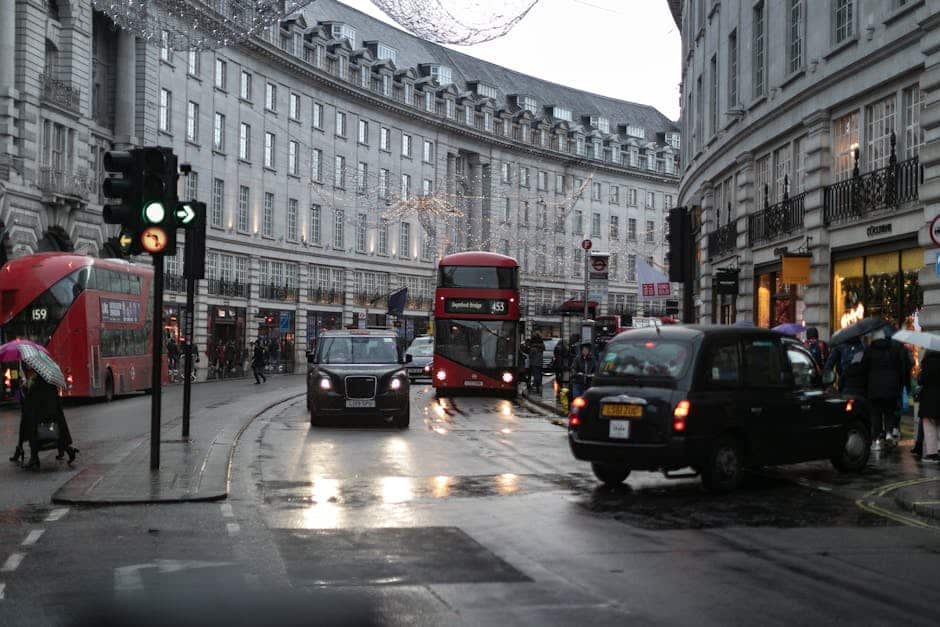
London has a temperate maritime climate: rarely very hot, rarely very cold, but often changeable. Summer highs sit around 22–25°C, while winter days hover between 5 and 9°C. Heatwaves and frosts do happen, but extremes are short-lived, and the city is comfortable to explore in almost any month with the right clothing. Rain can fall in any month, though showers are usually light and short rather than the all-day downpours some visitors expect. The biggest seasonal difference is daylight — in June the sun is up for around 16 hours, giving long, light evenings perfect for riverside walks, but by December that drops to under eight, so winter sightseeing means making the most of shorter days. For a wider UK view, see our guide to the best time to travel to the UK in 2026, and our essential visitor tips for packing advice.
Pro tip: Pack layers and a small folding umbrella whatever the forecast says. London weather can shift from sun to drizzle within an hour, and dressing in layers keeps you comfortable from a cool morning to a warm afternoon.
Month by month: choosing your dates
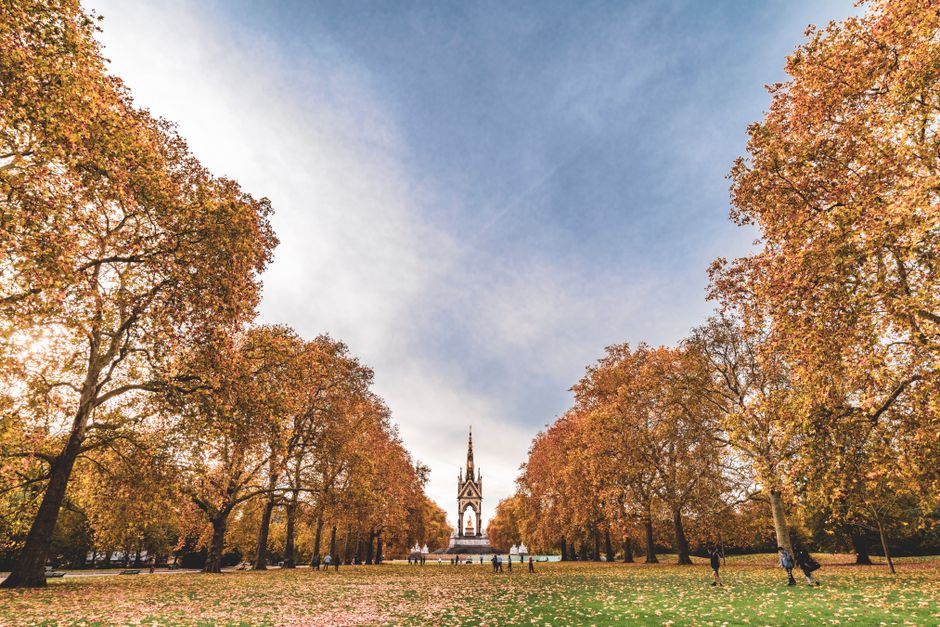
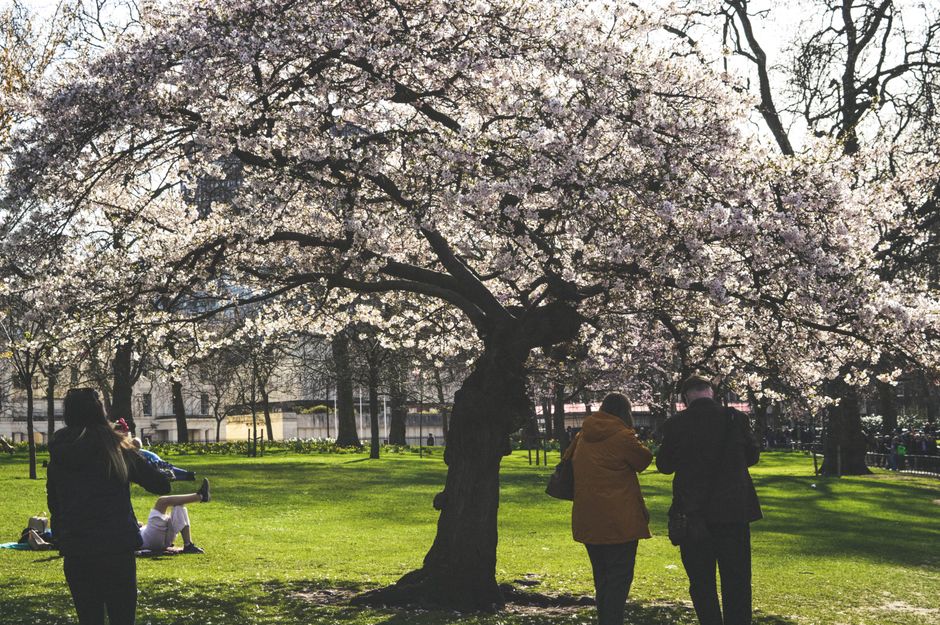
Spring brings cherry blossom to the royal parks and milder days from late March. April can still be showery, but the gardens at Kew, Hyde Park and St James’s Park come alive, and Easter brings a first wave of visitors. May and June are arguably the sweet spot — long daylight, gardens in full bloom and crowds yet to peak. July and August are the warmest and busiest, with school holidays pushing up hotel prices and queues at headline attractions. September keeps much of summer’s warmth with noticeably fewer tourists, making it many travellers’ favourite month, while October paints the parks gold and fills the cultural calendar. November to February is cold and dark but cheapest, and the festive lights and markets give the city a special atmosphere from late November onwards. Use our budget London guide to match dates to your wallet.
It is worth remembering that London is an indoor city as much as an outdoor one. Its world-class museums, galleries and theatres mean a winter or autumn trip never lacks for things to do, even when the weather keeps you off the streets. That makes the colder months a genuine option rather than a compromise, particularly for visitors who care more about culture than sunshine. If you are travelling with children, the school-holiday periods bring family events but also the highest prices, so weigh the trade-off carefully against term-time dates. Hotel rates in January and February can be a third lower than in peak summer, and attractions that overflow with queues in August are calm and easy to enjoy in the off-season. Shorter daylight simply means planning indoor activities for the late afternoon and saving outdoor sightseeing for the brighter middle of the day. Many travellers find this rhythm more relaxing than racing around in the summer heat alongside the largest crowds of the year.
| Month | Crowds | Hotel prices |
|---|---|---|
| January–February | Low | Lowest |
| May–June | Moderate | Mid-high |
| July–August | High | Highest |
| September | Moderate | Mid |
How to pick the best time for your trip step by step

- Decide your priority — weather, price, fewer crowds or a specific event — and rank it first.
- Check the school-holiday calendar, as prices and crowds spike during July, August and half-terms.
- Compare flight and hotel prices across two or three candidate weeks; shifting by a few days often cuts costs sharply.
- Apply for your UK ETA once dates are set — read our guide to processing times so it arrives well before departure.
- Book flexible accommodation where possible, so you can adjust if a better fare appears.
Planning a wider trip? Our 10-day UK itinerary and best UK cities beyond London help you combine the capital with other regions.
Events and seasonal highlights
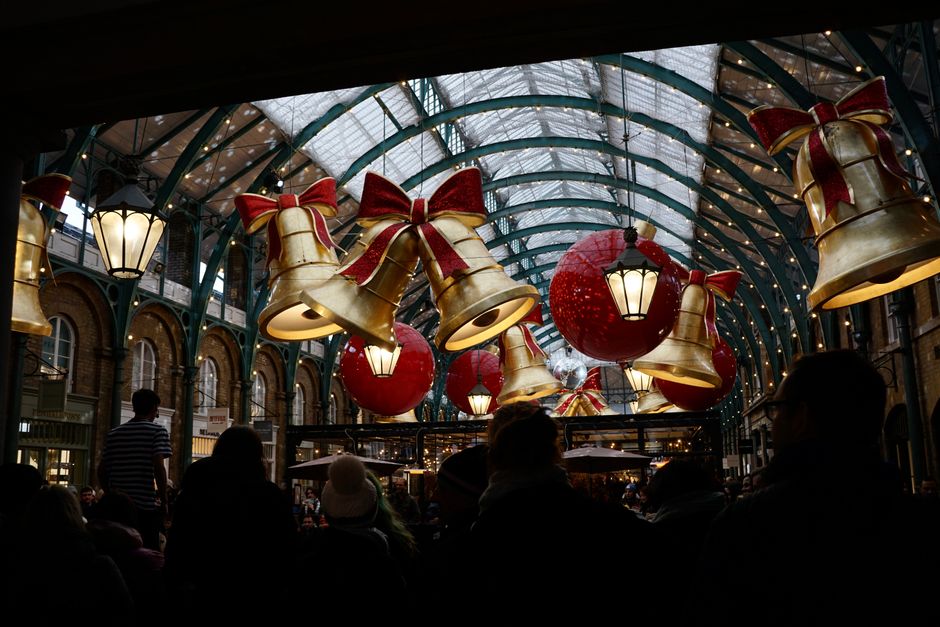
London’s calendar shapes the best time to visit as much as the weather. Late spring and summer bring outdoor festivals, riverside events, open-air theatre and long park evenings; autumn offers cultural seasons, film festivals and quieter galleries; and the run-up to Christmas fills the city with lights, markets and ice rinks from late November. Spring sees blossom season, sporting fixtures and the first warm weekends, while the New Year period brings sales and a famous fireworks display over the Thames. Major events can push hotel prices up sharply and book out popular areas, so it pays to check the calendar before committing to dates. If your trip is built around a single event, reserve accommodation as early as you can; if not, you can often dodge the busiest, priciest weekends by shifting your visit by a few days. VisitBritain publishes seasonal highlights, and official travel advice is available from GOV.UK. For more inspiration, browse our roundup of the top tourist attractions in the UK and places to visit in England, or plan a wider route with the best UK cities beyond London.
- Book around events, not into them, unless an event is your reason for travelling.
- Shoulder months win on value: May, September and October balance weather, price and crowds, giving you mild days and shorter queues without the premium of high summer.
- Confirm passport validity early: use our passport validity checklist before you book, as your passport must be valid for the whole of your stay and your ETA is tied to it.
Frequently Asked Questions
What is the overall best time to visit London?
Late spring (May–June) and early autumn (September) are widely considered the best times to visit London. You get mild weather and long daylight without the peak summer crowds and prices, making sightseeing more comfortable and better value.
When is the cheapest time to visit London?
January and February are the cheapest months, with the lowest hotel prices and thinnest crowds. The trade-off is cold, short days, but indoor attractions, museums and the festive afterglow make winter a rewarding budget option.
What is the rainiest time of year in London?
Rain is spread fairly evenly through the year, but autumn and winter tend to feel wettest. Showers are usually light rather than torrential, so a compact umbrella and a waterproof layer are enough to keep sightseeing on track.
Is summer too crowded to enjoy London?
Summer is the busiest season, but London is large enough to absorb the crowds. Book popular attractions in advance, start your days early, and you can still enjoy the warm weather and long evenings without too much queuing.
Do I need a UK ETA whatever time of year I visit?
Yes. The UK ETA requirement applies all year round, so most visitors need one regardless of season. It costs £20, lasts two years and allows multiple visits, so a single ETA can cover trips in different months.
How far ahead should I book a London trip?
Booking flights and hotels two to three months ahead usually gets the best prices, longer for peak summer or major events. Apply for your UK ETA as soon as your dates are fixed so it is ready well before you fly.
Which months have the best weather for sightseeing?
June, July and August have the warmest, longest days, ideal for parks and walking tours, while May and September offer pleasant temperatures with fewer people. Check our wider guide to the best time to travel to the UK for regional differences.
Does the time of year affect my UK ETA application?
No. The UK ETA process is the same all year, with the same £20 fee and the same typical three-working-day decision time. The only seasonal factor is demand on your own plans: apply early for peak-summer or Christmas trips so your permit is confirmed well before you fly, and read our guide on processing times to be sure.
Which month is best for a first-time visitor to London?
For a first visit, June and September are hard to beat. Both offer mild, comfortable weather and long enough daylight to pack a lot into each day, while avoiding the very peak of summer crowds and prices seen in late July and August. June brings the buzz of early summer with parks and outdoor spaces at their best, while September retains much of that warmth as the busiest tourist wave recedes. Either month lets a newcomer see the headline sights in pleasant conditions without the longest queues or the highest hotel rates, making the trip more relaxed and better value.
Related guides: Once you have picked your dates, continue with London travel guide: entry rules, costs and areas and Day trips from London by train.

 English
  Arabic
  Bengali
  Bulgarian
  Catalan
  Chinese
  Croatian
  Czech
Czech  Danish
  Dutch
Dutch  Estonian
  Finnish
  French
  German
  Greek
Greek  Hebrew
  Hindi
Hindi  Hungarian
  Icelandic
  Indonesian
  Italian
  Japanese
  Korean
  Latvian
  Lithuanian
  Norwegian
  Polish
  Portuguese
  Romanian
  Slovak
  Spanish
  Vietnamese
  Malay
Malay  Slovenian
  Swedish
  Turkish