 Skip to content
This London travel guide gives you everything you need to plan a smooth 2026 trip to the UK capital, from the entry permit you must hold before you fly to the neighbourhoods, transport and budget that shape a great visit. London rewards a little planning, and the single most important step now happens before you even pack a bag.
TL;DR: Most visitors to London in 2026 need a UK Electronic Travel Authorisation (ETA), which costs £20, allows stays of up to six months, and is valid for two years or until your passport expires. Apply online before travel, expect a decision within three working days, then budget roughly £120–£250 per day for a comfortable city break.
| Item | Detail for London visitors |
|---|---|
| Entry permit | UK ETA (£20) for most non-visa nationals |
| ETA validity | 2 years or until passport expiry; multiple entries |
| Maximum stay | Up to 6 months per visit |
| Currency | Pound sterling (£) |
| Typical daily budget | £120–£250 (mid-range) |
| Best months | May, June and September |
Before you dive into itineraries, make sure your paperwork is right. Our overview of ETA visas to the UK explains who is affected, and our walkthrough on how to apply for a UK ETA online covers the form step by step.
Do you need a UK ETA to visit London?

If you are a non-visa national — for example a citizen of the United States, Canada, Australia, Japan, the EU or dozens of other countries — you now need a UK ETA to enter London for tourism, business or short study. The scheme became fully mandatory on 25 February 2026, so there is no longer a grace period for travellers arriving without one. You can confirm your status using our country guide covering 85 nationalities.
The ETA is linked electronically to the passport you apply with, so you must travel on that same document. If you renew your passport, you have to apply for a fresh ETA. Citizens of EU countries and the United States are all included in the scheme.
| Traveller | Permit for a London trip | Cost |
|---|---|---|
| US, EU, Canadian, Australian, Japanese tourist | UK ETA | £20 |
| Visa-national tourist | Standard Visitor visa | From £135 |
| Irish citizen | No ETA required | £0 |
Pro tip: Apply for your ETA at least a few days before you book non-refundable travel. Decisions usually arrive within three working days, but a small number of applications are referred for extra checks, so leaving a buffer protects your plans.
How to plan a London trip step by step

Getting the order of tasks right keeps costs down and avoids last-minute stress. Here is the sequence we recommend for 2026.
- Check your passport validity. It must be valid for the whole of your stay. Read our passport validity checklist before anything else.
- Apply for your UK ETA. Use the official app or website, pay the £20 fee, and wait for the email confirmation. See the full application guide.
- Book flights into the right airport. Heathrow, Gatwick, Stansted, Luton and London City each suit different budgets — our London airports guide compares them.
- Choose a neighbourhood and book accommodation. Central zones cost more but save on transport; see the budget London guide.
- Confirm your ETA status before departure. You can check your ETA status online if the email has not arrived.
For a longer route around the country, our 10-day UK itinerary shows how to pair London with other regions.
Where to stay and what it costs
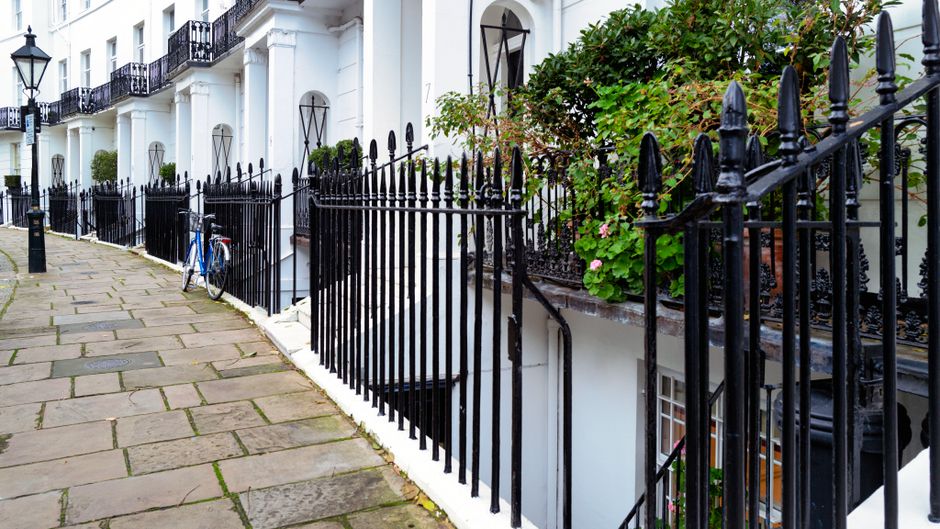
London is built around its transport zones. Zone 1 covers the centre — Westminster, the City, the South Bank, Soho and Covent Garden — and puts you within walking distance of most landmarks. Zones 2 and 3 are quieter and cheaper, with fast Tube links into town. Districts such as Kensington, Bloomsbury and Southwark balance character with convenience, while Shoreditch and Camden suit younger travellers.
Accommodation is the biggest single expense. A clean mid-range hotel room runs £130–£220 a night in 2026, while hostels and budget chains start around £40–£70. Booking two to three months ahead consistently beats walk-up rates, especially in summer and around major events. Our essential tips for visitors include more money-saving advice.
If you are weighing where to base yourself, think about how you plan to spend your days. Visitors here mainly for museums, theatre and historic landmarks do best in Zone 1, where everything is walkable and late nights are easy. Those happy to commute a little can stretch their budget further in leafy Zones 2 and 3, returning to areas such as Greenwich, Islington or Clapham each evening. Families often prefer apartment-style stays with a kitchen, which trims food costs over a longer trip. Whichever you choose, check that your hotel is close to a Tube or Elizabeth line station, as a five-minute walk to the network is worth more than a slightly cheaper room far from a stop.
| Expense | Budget | Mid-range |
|---|---|---|
| Accommodation (per night) | £40–£70 | £130–£220 |
| Daily transport (Tube/bus) | £8.90 cap | £8.90 cap |
| Meals per day | £20–£30 | £50–£80 |
| Attractions per day | £0–£20 | £30–£60 |
What to see and how to get around
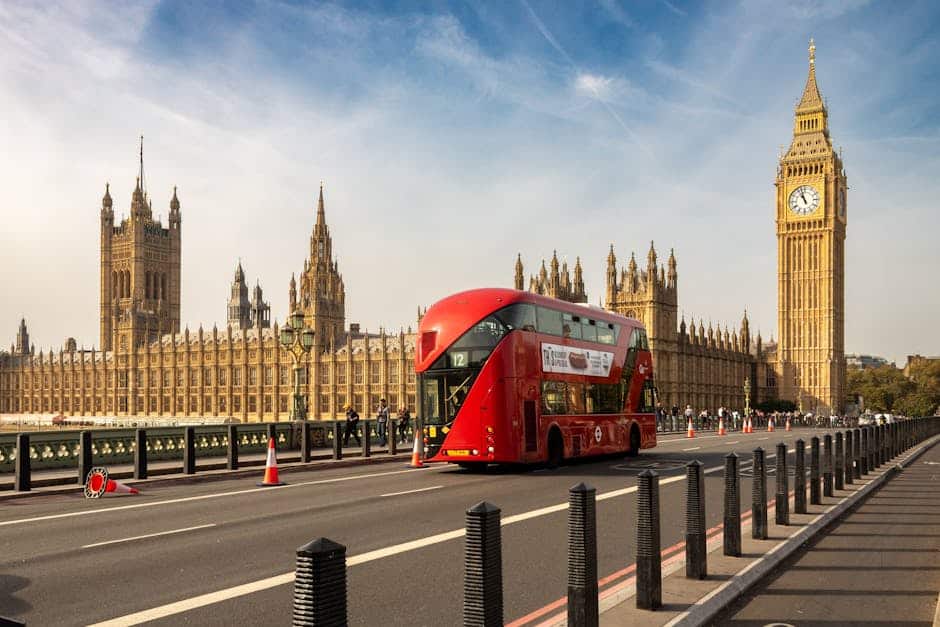
Many of London’s headline sights are free, including the British Museum, the Tate Modern, the National Gallery and the changing of the guard at Buckingham Palace. Paid highlights such as the Tower of London, the London Eye and Westminster Abbey reward an early booking. Walking links most central attractions, and the rest are a short Tube hop away. For a fuller list, see our roundup of the top tourist attractions in the UK and places to visit in England.
Public transport is excellent and contactless cards or phones work everywhere, with a daily fare cap that protects you from overspending. Official fares and route planning are published by Transport for London, and VisitBritain offers seasonal ideas for trips beyond the capital. For day trips and other cities, our guide to the best UK cities beyond London is a useful next read.
Pro tip: Buy nothing in advance for the Tube. A contactless bank card gives you the same daily cap as a Travelcard, with no need to top up or queue at a machine.
Practical tips for a smooth visit
- Carry your passport, not a copy, on arrival: border officers check the document your ETA is linked to — see our border control guide.
- Get a local data plan: a cheap UK SIM saves on roaming. Compare options in our prepaid SIM guide.
- Watch the weather, not the season: London is mild but changeable, so pack a light waterproof whatever month you visit.
- Plan around the calendar: read up on the best time to travel to the UK to dodge the busiest dates.
Frequently Asked Questions
Do I need a UK ETA for a short London city break?
Yes. If you are a non-visa national, you need a UK ETA for any trip to London, including short breaks, as long as you are visiting for tourism, business or a short course of study. The same £20 ETA covers stays of up to six months.
How much should I budget per day for London in 2026?
A comfortable mid-range trip costs around £120–£250 per person per day including accommodation, transport, food and attractions. Budget travellers using hostels, free museums and the daily fare cap can manage on £60–£90 a day.
Is London expensive compared with the rest of England?
Yes, London is the most expensive part of the country for accommodation and eating out, though transport and many museums are excellent value. Cities such as Manchester, Liverpool and Bristol offer lower prices, which is why some visitors pair a short London stay with time elsewhere.
How long does a UK ETA take to come through?
Most ETAs are approved within three working days, and many arrive within hours. A minority are referred for additional checks, so apply early. You can track progress using our guide to UK ETA processing times.
Can I use my UK ETA to visit other parts of Britain?
Yes. A single UK ETA covers England, Scotland, Wales and Northern Ireland, so you can combine London with trips further afield on the same permit. It does not, however, cover the Republic of Ireland.
What is the best way to get from the airport into central London?
The Elizabeth line and Gatwick Express, Stansted Express and Heathrow rail links are fast and predictable. Contactless payment works on the Elizabeth line and the Underground. Compare your options in our London airports guide.
Is London safe for first-time visitors?
London is generally very safe for tourists, with the usual big-city caution around pickpockets in crowded areas. Read the official UK travel and safety advice and our take on whether it is safe to travel to the UK in 2026 before you go.
Can I extend my stay in London beyond six months?
No. A UK ETA allows visits of up to six months at a time and cannot be extended while you are in the country. If you need to stay longer or for a different purpose, such as long-term study or work, you must apply for the appropriate visa before you travel. For ordinary tourism, the six-month limit per visit is generous, and because the ETA is valid for two years with multiple entries, you can return to London on the same permit after leaving, as long as you are not effectively living in the UK through repeated back-to-back visits.
Related guides: Planning your London trip in more detail? See Best time to visit London by month and Day trips from London by train.

 English
  Arabic
  Bengali
  Bulgarian
  Catalan
  Chinese
  Croatian
  Czech
Czech  Danish
  Dutch
Dutch  Estonian
  Finnish
  French
  German
  Greek
Greek  Hebrew
  Hindi
Hindi  Hungarian
  Icelandic
  Indonesian
  Italian
  Japanese
  Korean
  Latvian
  Lithuanian
  Norwegian
  Polish
  Portuguese
  Romanian
  Slovak
  Spanish
  Vietnamese
  Malay
Malay  Slovenian
  Swedish
  Turkish