
Travelling to the United Kingdom with an electronic travel authorisation (ETA) and need a prescription refill? This 2026 guide explains exactly how to obtain overseas prescription refills uk pharmacies recognise, what to bring, what is restricted, and what it costs. Furthermore, we cover NHS access for short visitors, private GP routes, controlled medicines, and emergency options when your medication runs out mid-trip.
Overseas Prescription Refills UK: The Direct Answer
To refill an overseas prescription in the UK, you must visit a UK-registered GP (NHS private appointment or fully private clinic) who will issue a UK prescription. UK pharmacies cannot legally dispense against a foreign prescription. Furthermore, a private GP consultation typically costs £60–£150 and the medication itself is then dispensed at NHS rate (£9.90 per item in England, 2026) or at private cost.
Indeed, the General Pharmaceutical Council confirms that pharmacies registered in Great Britain may only dispense prescriptions issued by prescribers registered with a UK regulator (GMC, GPhC, NMC, GDC). Consequently, a prescription from a doctor abroad — even an EU one — is not legally dispensable. As a result, the realistic options are: see a UK private GP, use the NHS in an emergency, or bring sufficient supply with documentation.
What to Pack Before You Travel
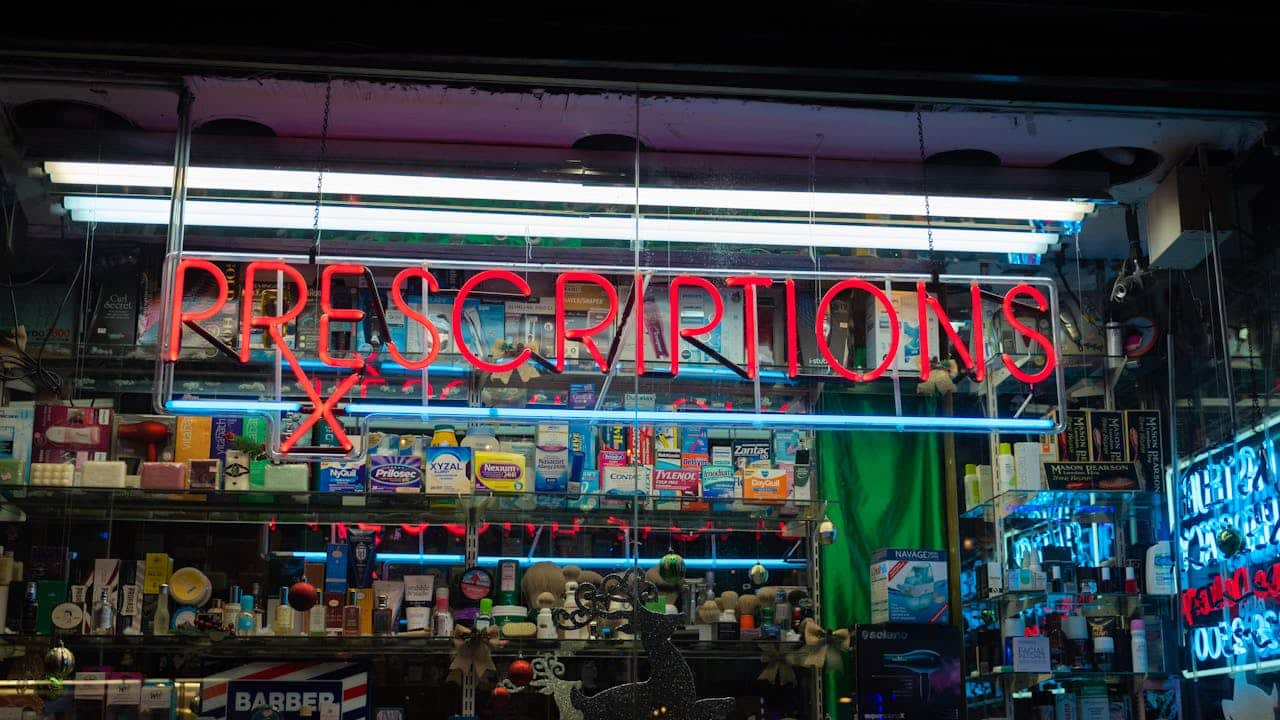
Bring your full course of medication in original labelled packaging, a signed letter from your prescriber (translated to English if needed), and a copy of your prescription. Furthermore, carry medication in your hand luggage with a doctor’s note for controlled drugs, and check the UK Home Office controlled drug list before flying.
Therefore, the pre-departure checklist is critical. Specifically, GOV.UK guidance for travellers under the ETA scheme recommends a prescriber letter containing: your full name, date of birth, generic and brand name of each medicine, dose, frequency, and the total quantity carried. Moreover, you should bring 7–14 days of buffer supply beyond your planned stay.
Checklist Table
| Item | Why | Source |
|---|---|---|
| Original boxed medication | Customs verification | HMRC, 2025 |
| Prescriber letter (English) | UK GP can prescribe equivalent | NHS England, 2025 |
| Generic drug names | Brands differ in UK | BNF, 2026 |
| Travel insurance | Covers private GP fees | ABI, March 2025 |
| EHIC/GHIC if eligible | NHS emergency access | NHS Business Services Authority, 2026 |
How a UK Private GP Refill Actually Works
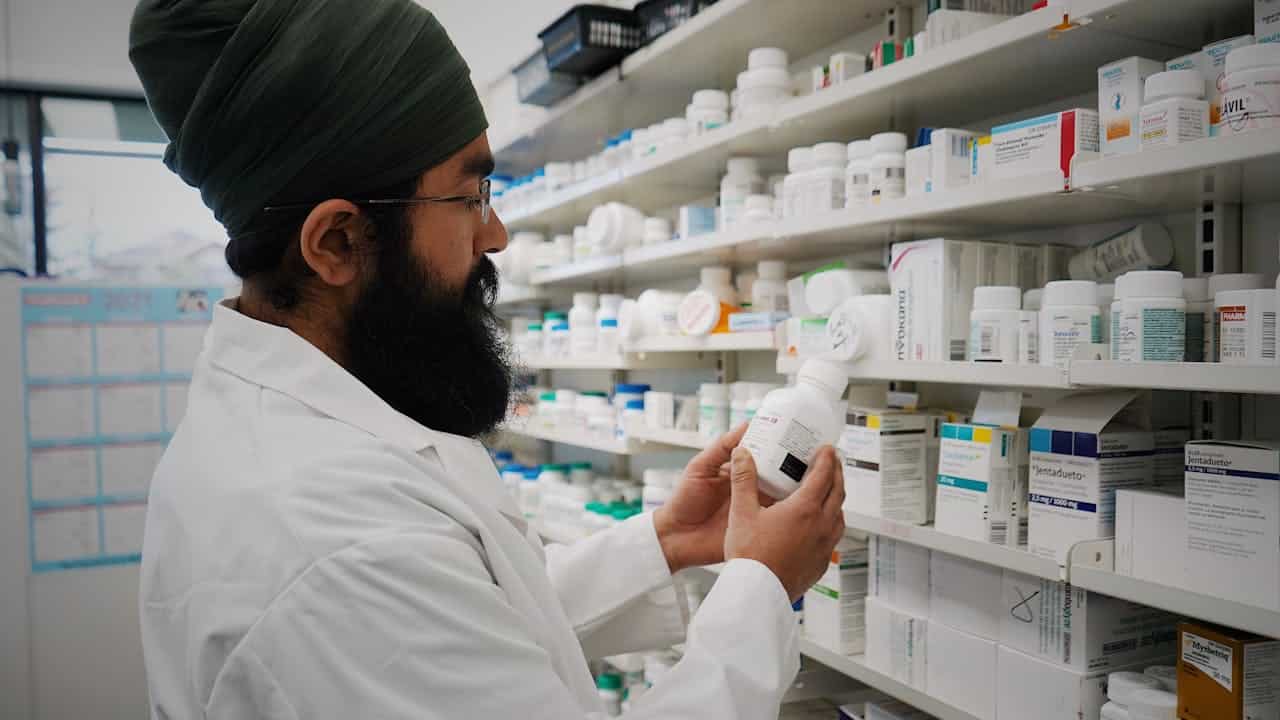
Book a private GP appointment (same-day in most London chains), present your prescriber letter and current medication, receive a UK private prescription, then take it to any UK pharmacy. The consultation fee is £60–£150, plus the dispensing fee or private medication cost.
Subsequently, chains like Babylon, Push Doctor and most central-London private clinics offer same-day video or in-person appointments. Notably, the average wait is under 2 hours during weekdays (Babylon, 8 April 2025 report). Therefore, an ETA-holder on a short trip can typically secure a refill within a single afternoon.
Consequently, the workflow is: book online, upload your foreign prescription as evidence, attend the consultation, receive an FP10PCD private prescription, and present it at a Boots, Lloyds, or independent pharmacy. Furthermore, large chains stock the most common generics; specialist medications may require a 24-hour order.
Costs: Private GP, NHS, and Pharmacy Dispensing
Expect £60–£150 for the private GP consultation, £9.90 per item NHS prescription charge in England (2026), and variable private dispensing if the GP routes you privately. Furthermore, Scotland, Wales and Northern Ireland have free NHS prescriptions for residents only — visitors pay private rates.
Notably, the UK Department of Health and Social Care announced the £9.90 NHS prescription charge from 1 April 2025, frozen through 2026. Indeed, this is the cheapest legal route if your private GP issues an NHS-style FP10 (rare for visitors). As a result, the most common total cost lands between £80 and £250 for a single medication refill, depending on consultation channel and drug.
However, controlled substances such as insulin pens, ADHD stimulants, opioid painkillers and certain anxiolytics fall under the Misuse of Drugs Regulations 2001. Therefore, the GP must verify your overseas script and may dispense only a limited quantity (often 30 days) per UK rules.
NHS Emergency Access for ETA Visitors
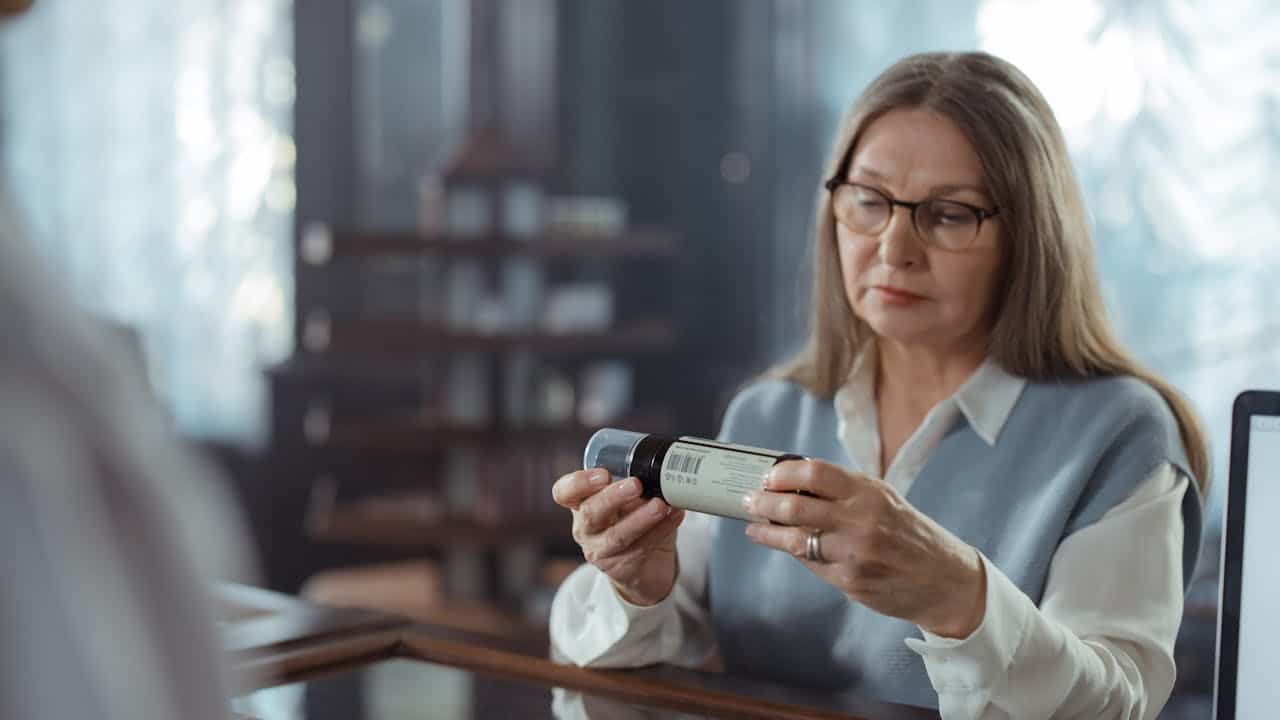
In an emergency, any UK pharmacist can supply up to 30 days of a previously prescribed medication via the Emergency Supply at the Request of a Patient regulation (Human Medicines Regulations 2012, Regulation 225). Furthermore, A&E will not refill ongoing prescriptions but will treat acute presentations.
Specifically, the pharmacist must interview you, verify clinical need, and may charge a private fee (typically £20–£40). Moreover, the pharmacist cannot dispense controlled drugs in Schedules 1, 2 or 3 by emergency supply (per MHRA guidance). Consequently, insulin and most asthma inhalers qualify; opioid painkillers and many ADHD medications do not.
For genuine emergencies, NHS 111 (free) provides a 24/7 triage line. Therefore, calling NHS 111 from a UK SIM or roaming line will route urgent prescription issues to the nearest out-of-hours GP. Furthermore, the NHS 111 official guidance includes lost-medication and stranded-traveller scenarios.
Controlled Drugs: What You Cannot Refill
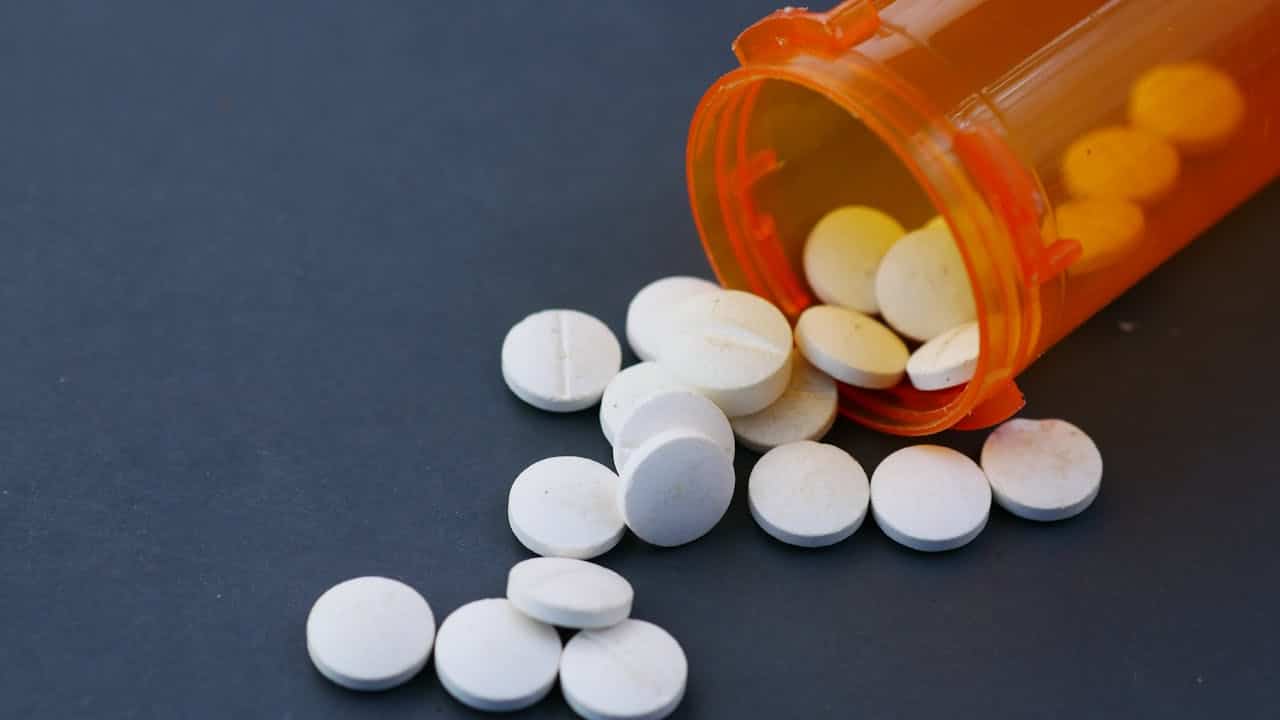
You cannot refill prescriptions for Schedule 2 and Schedule 3 controlled drugs (most opioids, methylphenidate, certain benzodiazepines) without a UK doctor seeing you and verifying your overseas treatment plan. Furthermore, you must declare any imported controlled drug to UK Border Force on arrival.
Indeed, the Home Office maintains a public controlled drug import list. As a result, travellers carrying more than 3 months supply must apply for a personal import licence at least 10 working days before travel. Notably, failure to declare controlled drugs at the border can lead to seizure, fines, or refusal of entry — even with a valid ETA.
Therefore, before your trip: identify each medication’s UK schedule via the BNF (British National Formulary), carry the prescriber letter, and never accept a refill from anyone other than a registered UK pharmacist or prescriber. Moreover, online “no-prescription pharmacies” are illegal in the UK and the medicines are frequently counterfeit (MHRA, 2025).
Equivalents: Common Foreign Drugs and Their UK Brands
UK pharmacies stock the same active ingredients found worldwide but often under different brand names. Furthermore, generics are the default — request the generic name from your home prescriber to make UK refills easier.
| Generic | Common Foreign Brand | UK Brand |
|---|---|---|
| Atorvastatin | Lipitor | Lipitor / generic |
| Salbutamol | Ventolin / ProAir | Ventolin / Salamol |
| Levothyroxine | Synthroid / Eltroxin | Eltroxin / generic |
| Sertraline | Zoloft | Lustral / generic |
| Metformin | Glucophage | Glucophage / generic |
Subsequently, most insulin (Lantus, Humalog, Novorapid, Tresiba) is available identically across the UK. However, stock can run thin in smaller pharmacies — therefore, call ahead and ask “do you have generic name, dispense-ready today?” rather than assume.
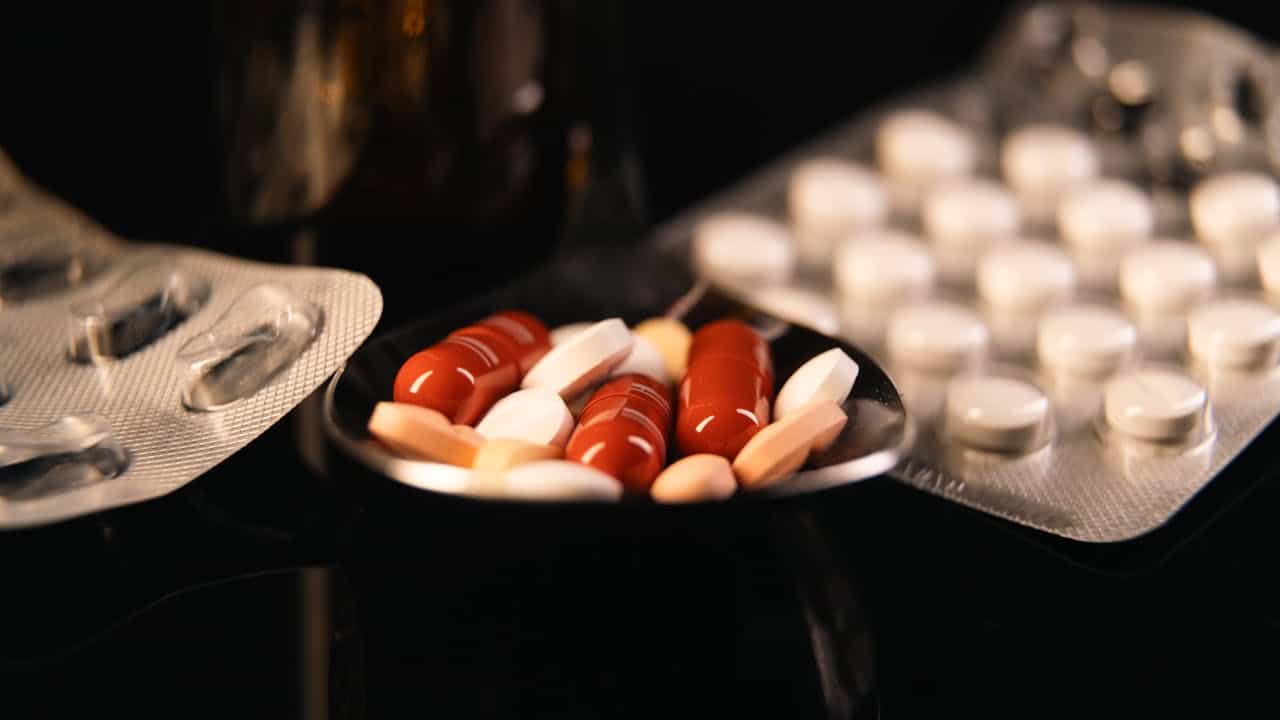
Private GP Apps and Walk-In Clinics
Major private GP apps in the UK include Babylon Health, Push Doctor, Livi, and AccessDoctor. Furthermore, in-person walk-in clinics are common in central London — Harley Street, Victoria, and most major rail stations have private GP services that can issue prescriptions within 30 minutes.
Indeed, Babylon Health reported a median consultation-to-prescription time of 12 minutes for video appointments (Babylon, 2025 transparency report). Consequently, an ETA visitor staying as little as 3 days can resolve a refill same-day. Moreover, most platforms accept international debit cards and travel-insurance reimbursement codes.
Frequently Asked Questions
Can I bring my own prescription medication into the UK on an ETA?
Yes, you can bring up to 3 months supply of non-controlled prescription medication in your hand luggage. Furthermore, you must carry the original labelled boxes and a prescriber letter. Controlled drugs require declaration and possibly a Home Office personal import licence (10 working days advance notice).
Will my home country prescription work at a Boots pharmacy?
No, UK pharmacies cannot dispense against a foreign prescription. Therefore, you must consult a UK-registered GP (private or NHS emergency) who will issue a UK prescription that any pharmacy can fulfil.
How much does a private GP appointment cost in the UK?
Typically £60–£150 per consultation. Furthermore, video appointments through Babylon or Push Doctor start at £39, while same-day in-person Harley Street clinics charge £120–£250. Moreover, the actual medication cost is additional.
What if I run out of insulin mid-trip?
Visit any pharmacy and request an Emergency Supply under Regulation 225 of the Human Medicines Regulations 2012. Indeed, the pharmacist can supply up to 30 days of insulin without a UK prescription provided they verify clinical need. Furthermore, NHS 111 will direct urgent diabetic supply requests to the nearest provider.
Are over-the-counter UK medications the same as my home country?
Mostly yes for paracetamol, ibuprofen, aspirin, antihistamines and basic cold/flu remedies. However, some medications sold OTC abroad (e.g. codeine combinations, pseudoephedrine in some doses) are pharmacy-only or prescription-only in the UK. Therefore, ask the pharmacist directly.
Can I use telehealth from abroad to get a UK prescription?
Only if the prescribing doctor is registered with the UK General Medical Council (GMC). Furthermore, most overseas telehealth platforms cannot issue UK-valid prescriptions. Consequently, plan ahead and book a UK-licensed video GP (Babylon, Push Doctor, Livi) once you arrive.
Does travel insurance cover UK prescription refills?
Many policies do, especially for emergency or replacement medication. However, routine refills of chronic medication are often excluded. Therefore, read your policy wording carefully and keep all receipts. Moreover, the Association of British Insurers (ABI, March 2025) reports 73% of travel policies cover emergency medication supply abroad.
Practical Tips for ETA Travellers
Plan refills before you fly: contact your home prescriber for a 14-day buffer supply, get a translated letter, identify a UK generic equivalent, and pre-book a private GP slot for the day after arrival.
Furthermore, register your UK travel insurance contact number in your phone, save the address of the nearest 24-hour pharmacy (Boots in Piccadilly Circus, London is open 24/7), and screenshot the GOV.UK controlled drug list before you depart. Moreover, the VisitBritain health and safety page aggregates verified medical resources for tourists.
Subsequently, on arrival, walk into any pharmacy and ask for the pharmacist (not the counter assistant) for a 5-minute medication consultation — this is free and can identify whether you need a GP or just an OTC switch. Indeed, UK pharmacists are trained clinicians under the General Pharmaceutical Council and provide free advice on minor health issues.
Related ETA Travel Topics
For more on travelling under the UK ETA scheme, see our guides on the UK ETA application process, UK ETA requirements 2026, UK ETA cost in 2026, UK ETA frequently asked questions, UK ETA validity period, UK ETA for tourists, UK ETA family travel, declaring medical conditions on your UK ETA, UK travel insurance for ETA holders, and UK ETA emergency contact procedures.
Last updated: 12 May 2026 — visaeta.uk editorial team.

 English
  Arabic
  Bengali
  Bulgarian
  Catalan
  Chinese
  Croatian
  Czech
Czech  Danish
  Dutch
Dutch  Estonian
  Finnish
  French
  German
  Greek
Greek  Hebrew
  Hindi
Hindi  Hungarian
  Icelandic
  Indonesian
  Italian
  Japanese
  Korean
  Latvian
  Lithuanian
  Norwegian
  Polish
  Portuguese
  Romanian
  Slovak
  Spanish
  Vietnamese
  Malay
Malay  Slovenian
  Swedish
  Turkish