
Understanding British money, currency, and tipping customs is essential for any international visitor planning a trip to the United Kingdom. Whether you are visiting London, Edinburgh, Manchester, or the countryside, knowing how to handle payments, exchange currency, and navigate tipping etiquette will help you avoid confusion and make the most of your travel budget. This comprehensive guide covers everything tourists need to know about money in the UK in 2026.
Key Takeaways
- The UK uses pounds sterling (£), not euros — Make sure to exchange currency or use a travel-friendly card before arriving.
- Contactless payment is accepted almost everywhere — Most shops, restaurants, and transport accept tap-to-pay with cards or mobile phones.
- Tipping is 10-15% in restaurants — Check if a service charge is already included; tipping is appreciated but not mandatory in most situations.
- ATMs are free but avoid currency conversion fees — Use bank ATMs and always choose to be charged in pounds, not your home currency.
- Notify your bank before travelling — Prevent your cards from being blocked by informing your bank of your UK travel dates in advance.
British Currency: The Pound Sterling
The official currency of the United Kingdom is the British pound sterling (GBP), represented by the symbol £ and the currency code GBP. The pound is subdivided into 100 pence (singular: penny, abbreviated as p). The UK does not use the euro, and while some tourist-heavy shops in London may accept euros at unfavourable exchange rates, you should always pay in pounds to get the best value.
Key fact: The United Kingdom welcomes over 40 million international visitors each year. From 2025, most visa-free visitors need an Electronic Travel Authorisation (ETA) costing £20 (Source: GOV.UK).
British Coins in Circulation
The UK uses eight denominations of coins currently in circulation:

- 1p (one penny): Small copper-coloured coin. Increasingly rare as contactless payments become dominant.
- 2p (two pence): Slightly larger copper-coloured coin.
- 5p (five pence): Small silver-coloured coin, the smallest in physical size.
- 10p (ten pence): Medium silver-coloured coin.
- 20p (twenty pence): Distinctive seven-sided silver-coloured coin.
- 50p (fifty pence): Larger seven-sided silver-coloured coin, often featuring commemorative designs.
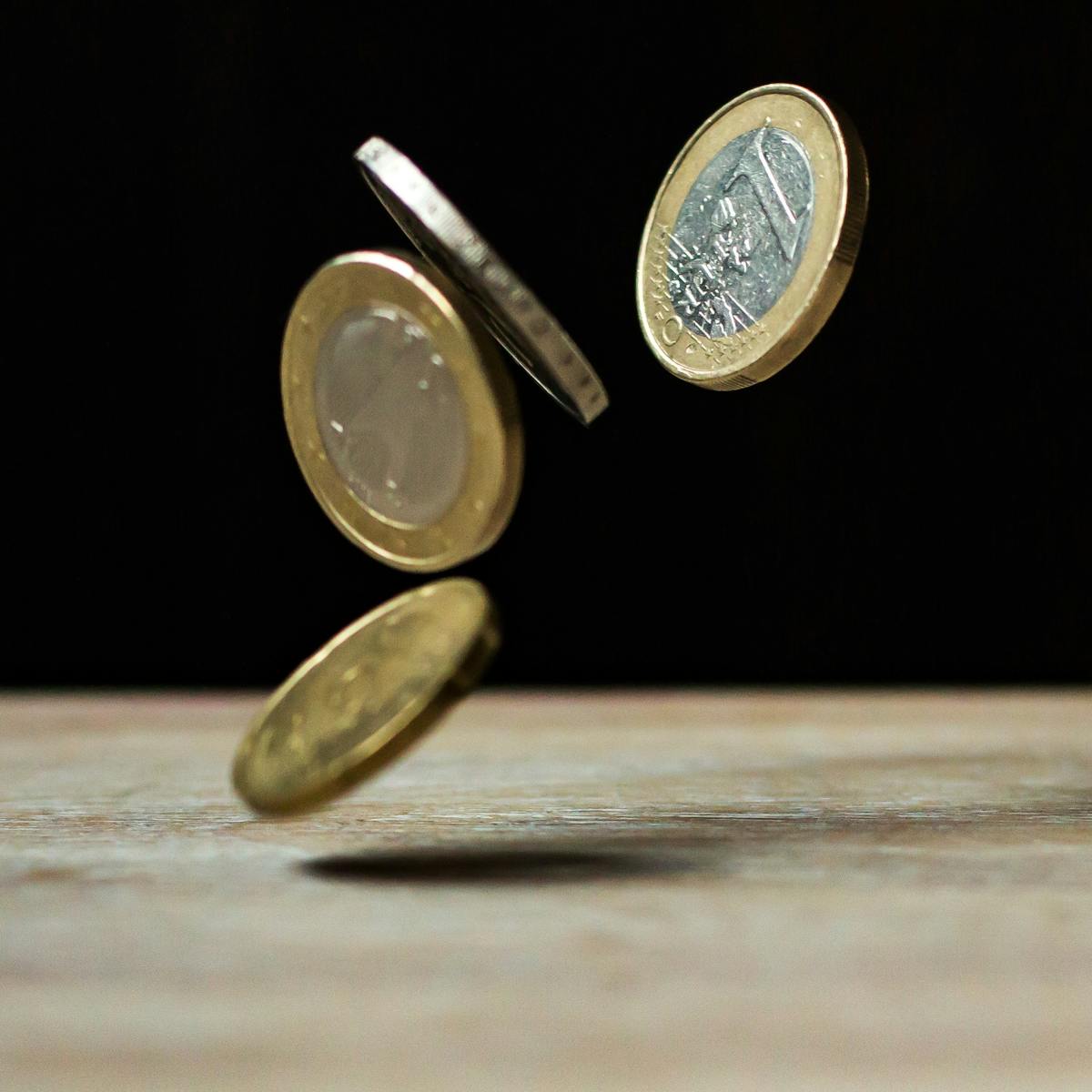
- £1 (one pound): Gold and silver bi-metallic coin with twelve sides, introduced in 2017.
- £2 (two pounds): Larger bi-metallic coin with a gold centre and silver outer ring.
British Banknotes
The Bank of England issues banknotes in four denominations: £5, £20, £20, and £50. All current Bank of England notes are made from polymer (plastic) rather than paper, making them more durable and harder to counterfeit. The notes feature King Charles III on the front, following his accession to the throne.
The £50 note is legal tender but can be difficult to use in smaller shops, pubs, and markets, as many businesses are reluctant to accept them due to counterfeiting concerns and the need for large amounts of change. For everyday spending, carry £5, £20, and £20 notes.
Scottish and Northern Irish Banknotes
Scotland and Northern Ireland have their own banknotes, issued by authorised commercial banks. Scottish notes are issued by the Bank of Scotland, Royal Bank of Scotland, and Clydesdale Bank. Northern Irish notes are issued by Bank of Ireland, Danske Bank, and Ulster Bank. These notes are legal currency throughout the UK, though some businesses in England may be unfamiliar with them. If you have difficulty spending Scottish or Northern Irish notes in England, any bank will exchange them for Bank of England notes free of charge.
Paying in the UK: Cash vs Card
The Cashless Revolution
The UK is one of the most cashless societies in the world. Contactless card payments are accepted almost everywhere, from large retailers and restaurants to small market stalls, street food vendors, and even buskers. The current contactless payment limit is £100 per transaction, and there is no daily limit on the number of contactless transactions you can make.
Most visitors find they rarely need cash during their UK trip. However, there are still some situations where cash is useful, including some traditional pubs, small rural businesses, car park machines, and tipping. Carrying a small amount of cash (£20 to £50) as backup is recommended.
Cards Accepted in the UK

Visa, Mastercard, and American Express are widely accepted throughout the UK. Discover and Diners Club cards are accepted at some larger retailers but are not as universally accepted. Apple Pay, Google Pay, and Samsung Pay work with most UK contactless terminals, making mobile payments extremely convenient.
Using Foreign Debit and Credit Cards
Most foreign bank cards work in the UK, but be aware of potential fees. Your home bank may charge a foreign transaction fee (typically 1 to 3 percent of each transaction) and may apply an unfavourable exchange rate. Some banks also charge additional fees for international ATM withdrawals. Check with your bank before travelling and consider getting a travel-friendly card with no foreign transaction fees.
Prepaid Travel Cards
Prepaid travel cards and multi-currency cards (such as Wise, Revolut, or Monzo) are popular with international visitors. These allow you to load funds in pounds at competitive exchange rates before your trip, avoiding bank conversion fees. They function like regular debit cards and work at contactless terminals throughout the UK.
Exchanging Currency
Before Your Trip
Exchanging currency before you travel is often more convenient but may not always offer the best rate. Compare rates from your local bank, online currency exchange services, and airport exchange bureaus. Avoid exchanging money at the airport on the day of travel, as airport exchange bureaus typically offer the worst rates and highest commission charges.
In the UK
If you need to exchange currency after arriving in the UK, your options include:
- Banks: UK high street banks exchange major currencies, though some require you to have an account. Rates are generally fair with moderate commission.
- Post Offices: Most UK Post Office branches offer currency exchange services with competitive rates and no commission on transactions over a certain amount.
- Bureau de Change: Independent exchange offices are common in tourist areas. Compare rates carefully, as they vary significantly. Always check whether commission is charged on top of the displayed rate.
- ATMs: Using a UK cash machine (ATM) with your foreign bank card is often the simplest option. Most UK ATMs do not charge withdrawal fees, though your home bank may apply charges. When prompted, always choose to be charged in pounds rather than your home currency to avoid dynamic currency conversion markups.
Dynamic Currency Conversion Warning
When paying by card or withdrawing from an ATM in the UK, you may be asked whether you want to pay in pounds or your home currency. Always choose to pay in British pounds (GBP). If you choose your home currency, the merchant or ATM operator applies their own exchange rate, which is almost always significantly worse than the rate your bank would offer. This practice, known as Dynamic Currency Conversion (DCC), can cost you 3 to 8 percent more than necessary.

Tipping Etiquette in the UK
Tipping culture in the UK is less obligatory than in the United States but more common than in many European and Asian countries. Understanding when and how much to tip will help you navigate social situations with confidence.
Restaurants and Cafes
A tip of 10 to 15 percent is customary in restaurants with table service. Many restaurants automatically add a service charge (usually 12.5 percent) to the bill. Check your bill carefully before adding an extra tip, as you do not need to tip on top of an included service charge. If no service charge is included and you are happy with the service, leaving 10 to 15 percent is appreciated.
In cafes, coffee shops, and fast-food restaurants where you order at the counter, tipping is not expected. You may notice a tip jar near the till, and dropping in small change is optional but appreciated.
Pubs and Bars
Tipping is not expected when ordering drinks at a pub or bar. The tradition in the UK is to buy drinks at the bar and carry them to your table yourself. If you receive particularly good service from a bartender, you might offer to buy them a drink by saying “and one for yourself” — they will typically add a soft drink to your tab.
If you eat a sit-down meal in a pub restaurant (as opposed to ordering at the bar), the same restaurant tipping guidelines apply: 10 to 15 percent is appropriate if there is no service charge included.
Taxis and Ride-Sharing
Tipping taxi drivers is common but not obligatory. Most people round up to the nearest pound or add approximately 10 percent for longer journeys. For example, if the meter shows £8.50, you might pay £9 or £20. For ride-sharing services like Uber, tipping is optional and can be done through the app after your journey.
Hotels
Tipping in UK hotels is discretionary. Here are the common practices:
- Porters: £1 to £2 per bag is customary if a porter carries your luggage to your room.
- Housekeeping: Leaving £1 to £2 per night of your stay in an envelope on the bedside table is appreciated but not expected.
- Concierge: Tipping the concierge for specific help (restaurant reservations, theatre tickets) with £5 to £20 is common in upscale hotels.
- Room service: Check whether a service charge has been added. If not, a 10 percent tip is appropriate.
Tour Guides
If you take a guided tour (walking tour, bus tour, or private guide), tipping is appreciated. For free walking tours (which operate on a tip-based model), £5 to £20 per person is the norm. For paid tours, £2 to £5 per person or approximately 10 percent of the tour cost is appropriate. For private guides, £16 to £20 is a generous tip for a full-day tour.
Hairdressers and Beauty Services
A tip of 10 to 15 percent is customary at hair salons and barber shops. For other beauty treatments (spa services, nail salons), the same range applies if you are happy with the service. Tips are usually given directly to the stylist or therapist rather than added to the card payment.
Budgeting for a UK Trip in 2026
Average Daily Costs
The cost of visiting the UK varies significantly depending on your destination and travel style. London is the most expensive city, while cities in northern England, Scotland, and Wales tend to offer better value. Here are approximate daily budgets per person:
- Budget traveller (hostel, street food, free attractions): £50 to £80 per day
- Mid-range traveller (3-star hotel, restaurant meals, paid attractions): £120 to £200 per day
- Luxury traveller (4-5 star hotel, fine dining, private tours): £300+ per day
Remember to factor in your UK ETA fee of £20 per person as part of your travel budget. The ETA is valid for 2 years, so if you plan to return to the UK within that period, this represents excellent value.
Money Safety Tips for Tourists
- Notify your bank: Tell your bank you are travelling to the UK before your trip to avoid your card being blocked for suspected fraud.
- Carry backup payment methods: Bring at least two different payment cards in case one is lost, stolen, or declined.
- Use ATMs inside banks: Indoor ATMs attached to bank branches are safer than standalone street ATMs, which may have been tampered with.
- Be aware of pickpockets: Tourist areas, public transport, and crowded markets are the most common locations for pickpocketing. Keep wallets and phones in zipped inner pockets.
- Avoid carrying large amounts of cash: With contactless payments so widely accepted, there is no need to carry significant amounts of cash.
- Keep receipts: Save transaction receipts to check against your bank statement after your trip, especially for any foreign transaction fees.
Official Sources & References
- Visit Britain — Money and Costs in the UK
- UK Government — Apply for a UK ETA
- Bank of England — Banknotes in Circulation
- UK Government — Exchange Rates
Frequently Asked Questions
Can I use euros in the UK?
The UK does not accept euros as standard currency. Some large tourist-facing shops in central London may accept euros, but the exchange rate will be very unfavourable. Always use British pounds for purchases in the UK to get the best value.
Are there any hidden costs for tourists in the UK?
The UK includes VAT (Value Added Tax at 20 percent) in all displayed prices, so the price you see on the shelf is the price you pay. There are no hidden sales taxes added at the till like in some countries. However, watch for restaurant service charges, hotel city taxes in some areas, and foreign transaction fees from your home bank.
Can I get a VAT refund as a tourist?
Following Brexit, the UK’s VAT Retail Export Scheme for international visitors was abolished in January 2021. Currently, tourists cannot claim VAT refunds on purchases made in England, Scotland, or Wales. However, Northern Ireland operates under different rules due to the Windsor Framework, and limited VAT reclaim may be available for goods purchased there and taken to non-EU countries. Check the latest UK Government guidance for current rules.
How much cash should I bring to the UK?
For most visitors, £50 to £100 in cash is more than enough as a backup payment method. The UK is extremely card-friendly, and you can withdraw more cash from ATMs if needed. If you are carrying more than £16,000 in cash or equivalent when entering the UK, you must declare it to customs.
Is the UK more expensive than other European destinations?
The UK, particularly London, is one of the more expensive travel destinations in Europe. However, many top attractions are free (including most major museums and galleries), and budget-friendly options exist for accommodation and dining. Cities outside London, especially in northern England, Scotland, and Wales, offer significantly better value. Start by getting your UK ETA and check the VisitBritain website for money-saving tips and visitor passes.

 English
  Arabic
  Bengali
  Bulgarian
  Catalan
  Chinese
  Croatian
  Czech
Czech  Danish
  Dutch
Dutch  Estonian
  Finnish
  French
  German
  Greek
Greek  Hebrew
  Hindi
Hindi  Hungarian
  Icelandic
  Indonesian
  Italian
  Japanese
  Korean
  Latvian
  Lithuanian
  Norwegian
  Polish
  Portuguese
  Romanian
  Slovak
  Spanish
  Vietnamese
  Malay
Malay  Slovenian
  Swedish
  Turkish