
British weather is famously unpredictable, and preparing for it properly can make the difference between a comfortable, enjoyable trip and a miserable one. International visitors often underestimate how quickly UK weather can change and how much it varies between regions. This comprehensive UK weather and packing guide helps tourists understand what to expect from British weather in every season and exactly what to pack for a trip to the United Kingdom in 2026.
Key Takeaways
- Always pack layers and a waterproof jacket — UK weather is unpredictable; you can experience all four seasons in a single day.
- Summer (June-August) averages 15-25°C — The warmest months are ideal for sightseeing, but rain is still possible any day.
- Winter (December-February) is cold but rarely extreme — Temperatures hover around 2-8°C; Scotland and northern England are colder.
- An umbrella is essential year-round — Compact travel umbrellas are the most practical item for UK visitors.
- Comfortable walking shoes are a must — UK cities are best explored on foot; waterproof shoes handle wet pavements and parks.
Understanding UK Weather
The United Kingdom has a temperate maritime climate, which means mild temperatures year-round, frequent rainfall, and rarely extreme heat or cold. However, the weather can change dramatically within a single day, and conditions vary significantly between southern England, northern England, Scotland, and Wales.
Key fact: The United Kingdom welcomes over 40 million international visitors each year. From 2025, most visa-free visitors need an Electronic Travel Authorisation (ETA) costing £20 (Source: GOV.UK).
Key Weather Facts for Tourists

- Rain is frequent but usually light: The UK averages 150 to 200 rainy days per year, but most rain is light drizzle rather than heavy downpours. A good waterproof jacket is more useful than an umbrella in windy conditions.
- Temperatures are moderate: Summer highs typically reach 20 to 25°C (68 to 77°F), while winter lows rarely drop below 0°C (32°F) in most areas. Heatwaves above 30°C (86°F) are becoming more common in recent years.
- Daylight hours vary dramatically: In summer (June/July), London enjoys up to 16 hours of daylight. In winter (December/January), daylight drops to just 8 hours. Scotland experiences even more extreme variation, with very long summer days and very short winter ones.
- Wind is a factor: The UK can be windy, especially along the coast and in Scotland. Wind chill can make temperatures feel significantly colder than the thermometer shows.
UK Weather by Season
Spring (March to May)
Spring in the UK is a beautiful season with blooming flowers, longer days, and gradually warming temperatures. However, spring weather is highly variable, and you should prepare for anything from warm sunshine to cold rain, sometimes in the same day.
Average temperatures: 8 to 15°C (46 to 59°F). March can still feel wintry, while May is often pleasantly warm.
What to expect: Frequent rain showers mixed with sunny spells. Mornings and evenings are cool. Cherry blossoms bloom in April, and gardens across the country come to life. Easter holidays (late March or April) can bring busy tourist attractions.
Summer (June to August)
Summer offers the warmest weather and longest days, making it the most popular time for tourists. However, British summers are not guaranteed to be hot and sunny. Some summers are warm and dry, while others are cool and wet. Always be prepared for rain regardless of the forecast.
Average temperatures: 15 to 25°C (59 to 77°F). Heatwaves can push temperatures above 30°C (86°F), particularly in southern England.
What to expect: The best weather of the year, but with occasional rainy days. Long evenings are perfect for outdoor activities. August is peak tourist season with Edinburgh Festival, Notting Hill Carnival, and school holidays. UV levels can be high even on cloudy days, so sunscreen is advisable.
Autumn (September to November)
Autumn brings beautiful foliage, harvest festivals, and gradually cooling temperatures. September often extends summer-like weather, while November marks the transition to winter. Autumn is an excellent time to visit with fewer crowds and lower prices.
Average temperatures: 7 to 18°C (45 to 64°F). September is mild, but November can be cold and damp.
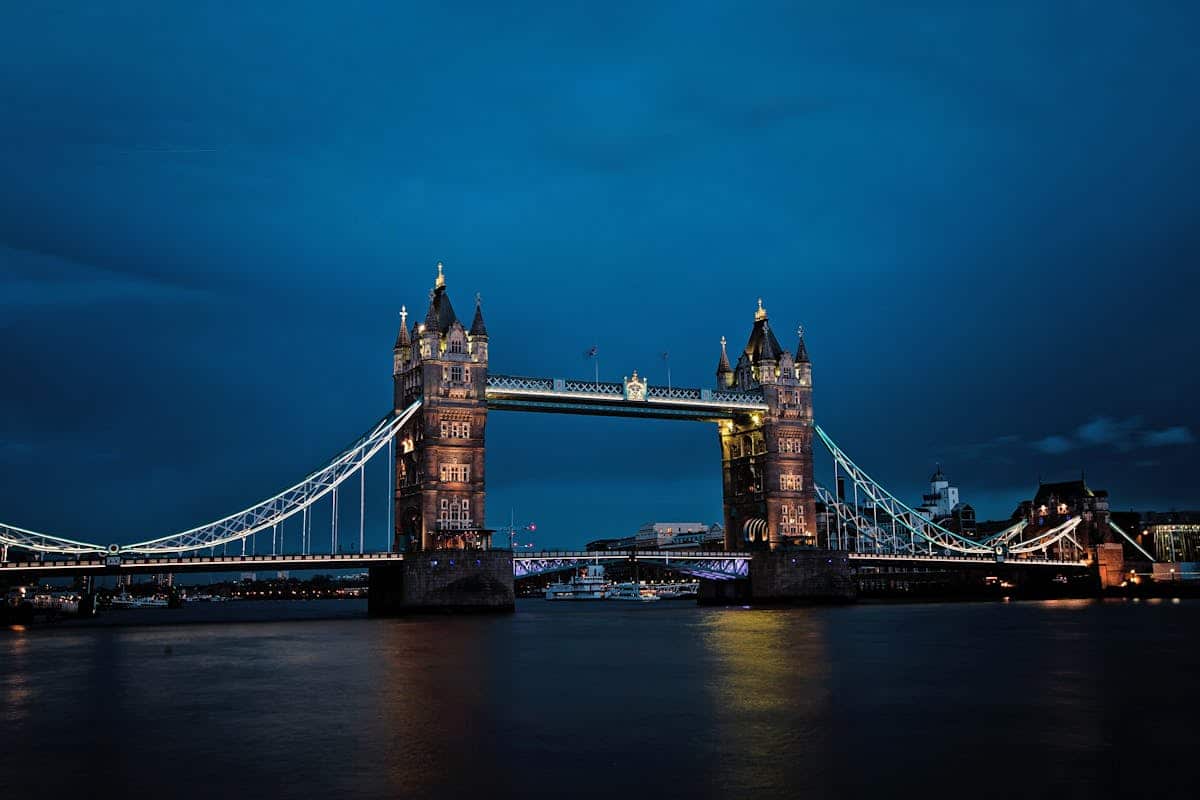
What to expect: Increasing rainfall, shorter days, and stunning autumn colours in parks and countryside. Bonfire Night (5 November) brings fireworks displays across the country. Fog can be common in October and November, particularly in rural areas.
Winter (December to February)
British winters are cold and damp, but rarely severely cold. Snow is occasional in most of England but more common in Scotland and northern hills. Shorter days mean limited daylight for sightseeing, but Christmas markets, pantomimes, and cosy pubs create a uniquely British winter atmosphere.
Average temperatures: 2 to 8°C (36 to 46°F). Scotland and northern England are colder, with temperatures occasionally dropping below -5°C (23°F).
What to expect: Short days (darkness by 4pm), frequent rain, occasional fog, and possible snow (mainly in Scotland and northern England). Christmas and New Year celebrations offer unique experiences. Many attractions are open but with reduced hours.
Regional Weather Differences
London and Southeast England
The warmest and driest part of the UK. London averages approximately 600mm of rain per year (less than Sydney, New York, or Rome). Summers can be hot, particularly in urban areas where the heat island effect raises temperatures. Winters are mild compared to the rest of the UK.
Southwest England (Cornwall, Devon, Bath)
Mild and wet, with a maritime influence that keeps temperatures moderate. The southwest receives more rainfall than London but also benefits from the mildest winter temperatures in England. Coastal areas can be very windy.
Northern England (Manchester, Liverpool, York, Lake District)
Cooler and wetter than the south, particularly in upland areas. The Lake District is one of the wettest places in England. Manchester has a well-deserved reputation for rain. Summer temperatures are typically 2 to 3 degrees lower than London.
Scotland (Edinburgh, Glasgow, Highlands)
Cooler overall, with more variable weather. Scottish weather can change rapidly, especially in the Highlands. Edinburgh is surprisingly dry (drier than London), but Glasgow and the west coast receive heavy rainfall. Snow is more common, particularly in the Highlands from November to April.
Wales
Generally wet, especially in the mountain areas. The Welsh coast can be very windy. Snowdonia is one of the wettest areas in the UK. Temperatures are similar to western England.
Essential Packing List for the UK
All Seasons

- Waterproof jacket: The single most important item for UK travel. Choose a lightweight, breathable, and packable waterproof that you can carry in a day bag. A hood is essential.
- Layers: The key to UK packing is layering. Temperatures can vary by 10°C or more in a single day. Pack multiple thin layers rather than a few heavy items.
- Comfortable walking shoes: Waterproof or water-resistant shoes are strongly recommended. UK cities involve a lot of walking, often on wet pavements and cobblestones.
- Umbrella: A compact travel umbrella is useful for light rain, though wind can make umbrellas impractical in exposed areas.
- Day bag: A small backpack or crossbody bag for carrying your waterproof layer, umbrella, water bottle, and essentials during sightseeing.
Spring Packing (March-May)
- Medium-weight jacket or coat
- Jumpers (sweaters) and long-sleeved tops
- Mix of trousers and jeans
- Light scarf for cooler mornings
- Sunglasses (sunshine can be surprisingly strong in April and May)
Summer Packing (June-August)
- T-shirts, short-sleeved tops, and light dresses
- Shorts for warm days (but always pack at least one pair of long trousers)
- One warm layer for cool evenings (a light jumper or cardigan)
- Sunscreen (SPF 30 or higher)
- Sunglasses and hat for sunny days
- Waterproof jacket (rain is still possible, even in summer)
Autumn Packing (September-November)
- Warm coat or thick jacket
- Jumpers, fleeces, and long-sleeved layers
- Trousers and jeans (avoid shorts)
- Scarf and light gloves (especially November)
- Waterproof boots or shoes
Winter Packing (December-February)
- Warm winter coat (insulated and waterproof if possible)
- Thermal base layers for very cold days
- Warm jumpers, fleeces, and hoodies
- Scarf, gloves, and warm hat
- Waterproof winter boots with good grip
- Thick socks and warm accessories
What NOT to Pack
Packing smart also means knowing what to leave at home. There is no need to pack bulky winter gear for summer visits, even to Scotland. Avoid bringing expensive jewellery or items you would hate to lose, as this adds unnecessary worry. Heavy books can be replaced with an e-reader. You do not need to bring toiletries, as British shops and pharmacies stock all major international brands at reasonable prices.
If you are visiting for a longer trip, consider packing lighter and purchasing inexpensive basics in the UK. Primark and other budget retailers offer very affordable clothing suitable for UK weather, and charity shops (thrift stores) are excellent places to pick up warm jumpers and waterproof jackets at bargain prices.
Dressing for UK Attractions
Museums and Galleries
Most UK museums and galleries have heated interiors, so you will want to be able to remove outer layers easily. Avoid bulky coats that are difficult to carry through exhibitions. Many larger museums have free cloakrooms where you can leave coats and bags. Comfortable shoes are essential, as large museums like the British Museum or National Museum of Scotland involve considerable walking.
Outdoor Attractions and Countryside
For outdoor activities such as hiking, countryside walks, or coastal visits, dress for the worst weather that might occur rather than the best. Waterproof trousers are valuable for walks in the Lake District, Scottish Highlands, or Welsh mountains. Walking boots with good grip and ankle support are recommended for any serious hiking. Gaiters can be useful in wet or muddy conditions.
Restaurants and Theatres
Smart casual dress is appropriate for most UK restaurants and theatres. Men do not typically need to wear a tie or jacket except at the most formal restaurants. Women can wear anything from smart jeans and a nice top to a dress. The West End theatre district in London has no strict dress code, but most people dress up slightly for evening performances. If you plan to visit upscale restaurants or private members clubs, check dress code requirements when booking.
Places of Worship
When visiting churches, cathedrals, mosques, or other places of worship, dress modestly. Cover shoulders and knees, and be prepared to remove shoes at mosques and some temples. Many visitors touring UK cathedrals such as Canterbury, York Minster, or Westminster Abbey combine worship visits with sightseeing, and modest but comfortable clothing is appropriate for both.
Packing Tips and Tricks
- Roll, don’t fold: Rolling clothes saves space and reduces wrinkles, allowing you to pack more layers in less luggage.
- Wear your heaviest items: Wear your coat and bulkiest shoes on the plane to save luggage space.
- Pack a reusable bag: England charges for plastic carrier bags in shops. Bring a foldable reusable bag for shopping.
- UK plug adapter: The UK uses Type G plugs (three rectangular pins). Bring an adapter or buy one at the airport. Most UK hotels provide USB charging ports but not adapters.
- Prescription medications: Bring enough medication for your entire trip plus a few extra days. Carry a copy of your prescription in case you need a replacement while in the UK.
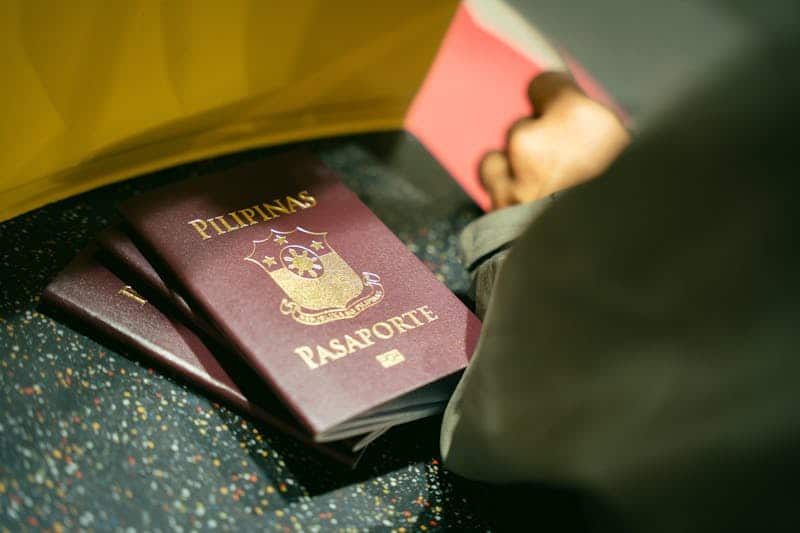
- Travel documents: Keep your passport (with your approved UK ETA), travel insurance documents, and accommodation confirmations easily accessible.
Official Sources & References

- Met Office — UK Weather Forecast
- Visit Britain — UK Weather Information for Visitors
- UK Government — Apply for a UK ETA
- Visit Britain — Practical Travel Information
Frequently Asked Questions
Does it really rain all the time in the UK?
No. While the UK has a reputation for rain, London actually receives less annual rainfall than cities like Sydney, Rome, and Miami. Rain is frequent but usually light, and sunny days are common, especially in summer. The key is that weather is unpredictable, so always carry a waterproof layer.
What is the best time of year to visit the UK?
May to September offers the best weather and longest days. June and September often provide a good balance of pleasant weather with fewer crowds than July and August. For Christmas markets and winter atmosphere, late November to December is magical despite the cold and short days.
Do I need snow gear for a winter UK trip?
For most UK cities in winter, snow gear is unnecessary. A warm waterproof coat, hat, gloves, and sturdy shoes are sufficient. If you plan to visit the Scottish Highlands or go walking in northern hills during winter, pack warmer gear including thermal layers and waterproof hiking boots.
How do I check UK weather forecasts?
The Met Office (metoffice.gov.uk) is the UK’s official weather service and provides the most accurate forecasts. Their app and website offer detailed 7-day forecasts, weather warnings, and regional information. BBC Weather is another reliable source. Check the forecast daily during your trip, as conditions can change rapidly.
Ready for your UK trip? Start by applying for your UK ETA and check out our guides on the best UK cities to visit and UK money and tipping to complete your travel preparation. Visit VisitBritain for official tourism information.

 English
  Arabic
  Bengali
  Bulgarian
  Catalan
  Chinese
  Croatian
  Czech
Czech  Danish
  Dutch
Dutch  Estonian
  Finnish
  French
  German
  Greek
Greek  Hebrew
  Hindi
Hindi  Hungarian
  Icelandic
  Indonesian
  Italian
  Japanese
  Korean
  Latvian
  Lithuanian
  Norwegian
  Polish
  Portuguese
  Romanian
  Slovak
  Spanish
  Vietnamese
  Malay
Malay  Slovenian
  Swedish
  Turkish